You’ve seen the YouTube videos — someone gliding across a glassy reservoir at dawn, rod bent double, not another soul in sight. It looks peaceful, affordable, and a world away from the overcrowded bank swims you’ve been putting up with. Then you start researching kayak fishing in the UK and immediately drown in a sea of sit-on-tops, sit-insides, pedal drives, anchor trolleys, and rod holders. Where do you even start?
Right here. I’ve been kayak fishing on UK waters for a few years now — rivers, reservoirs, and the odd sheltered coastal trip — and I wish someone had laid it all out plainly when I was getting started. No jargon-heavy forums, no American advice about bass boats that costs more than my car. Just practical, UK-specific guidance for kayak fishing beginners in the UK who want to get on the water without making expensive mistakes.
Why Kayak Fishing Has Taken Off in the UK
Bank fishing is brilliant, but it has limits. You’re stuck in one spot (or at best shuffling between pegs), competing for space on popular stretches, and praying the fish come to you. A kayak flips that completely. You go to the fish.
The appeal is simple:
- Cost — a decent fishing kayak setup costs £500-£900 to get started, and there’s no boat licence needed for most stillwaters and many rivers
- Access — reservoirs, lochs, canals, estuaries, and sheltered coastline all open up. Places that were bank-only or required expensive boat hire are suddenly yours
- Stealth — kayaks spook fish far less than motorboats. You can drift silently over shallow flats that powered craft can’t reach
- Exercise — paddling to your spot burns calories and gets you outdoors properly, not just sitting in a bivvy
The UK kayak fishing scene has grown massively over the past decade. There are dedicated Facebook groups, regional meetups, and even competitions. The British Canoeing waterways licence (about £45/year) gives you access to thousands of miles of rivers and canals, which is exceptional value compared to traditional boat fishing.
Choosing Your First Fishing Kayak
This is the biggest decision you’ll make, and it’s where most beginners overthink things. Let me simplify it.
Sit-On-Top vs Sit-Inside
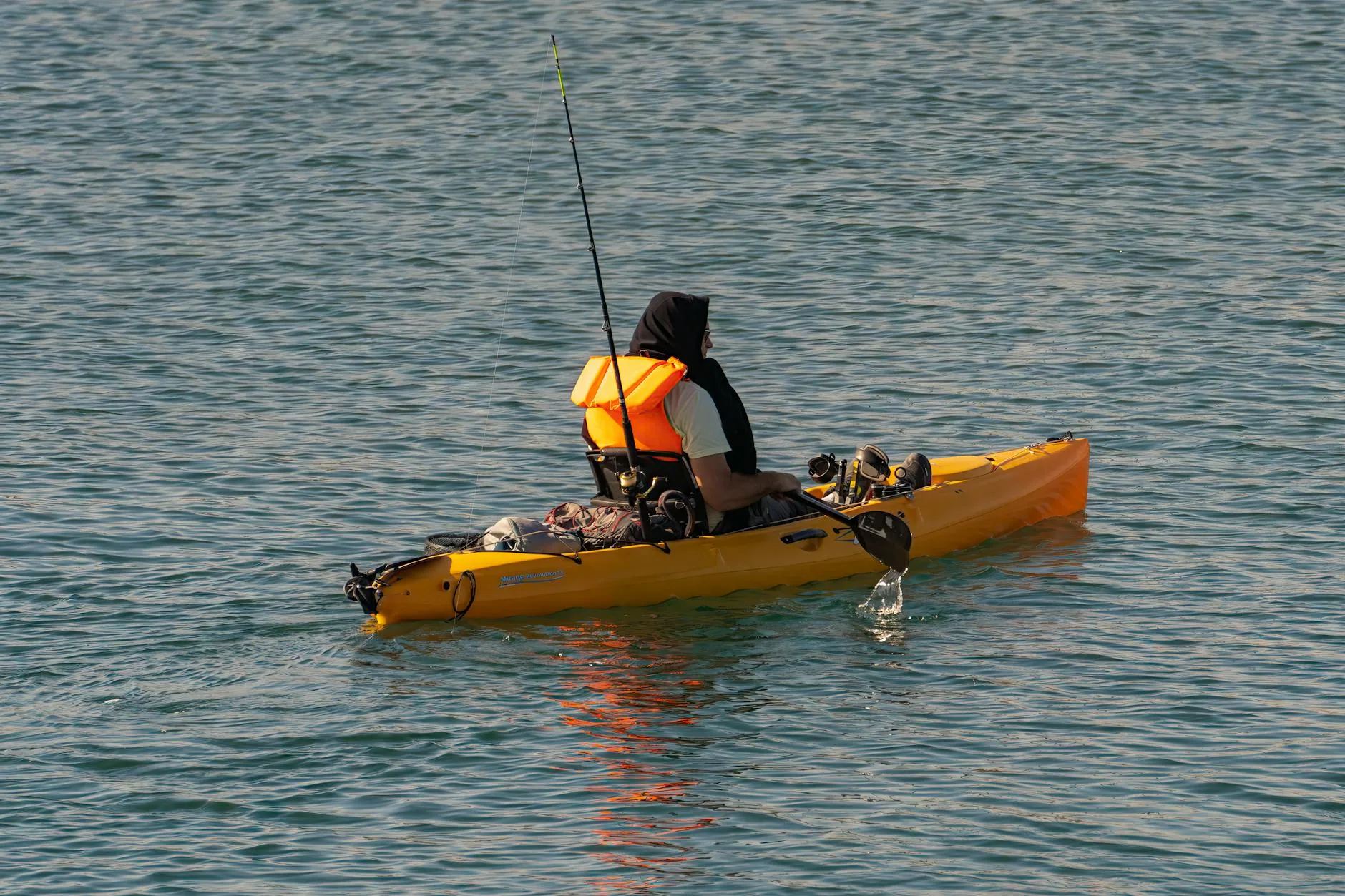
For fishing, sit-on-top (SOT) every time. They’re self-draining, stable, easy to get on and off, and you can stand on the wider models. Sit-inside kayaks are great for touring but terrible for fishing — you can’t move freely, tackle access is awkward, and if you capsize, you’ve got a swamped cockpit to deal with. Every serious fishing kayak on the UK market is a sit-on-top.
What to Look For
- Width — at least 76cm (30 inches) for stability. Wider is more stable but slower. For fishing, stability wins
- Length — 3-4 metres is the sweet spot. Shorter kayaks are nimbler but track poorly; longer ones are faster but harder to transport and store
- Weight capacity — add your body weight plus 25-30kg for gear. Don’t buy a kayak rated at exactly your combined weight — you’ll sit too low and it’ll feel like paddling a bathtub
- Rod holders — flush-mounted rod holders are almost standard now. Two is enough to start with
- Storage — a rear tankwell with bungee cord is essential. A front hatch for dry storage is a bonus
- Seat quality — you’ll be sitting for hours. A raised, adjustable aluminium-frame seat makes a huge difference over a thin foam pad. Test this before buying if you can
Kayaks Worth Considering
If you’re just getting started, these are the models UK anglers tend to gravitate toward:
- Budget (£300-£500): The RTM Makao is a solid, basic sit-on-top that’s been a workhorse for UK paddlers for years. Heavy but nearly indestructible. Also look at the Feelfree Nomad, which often turns up secondhand for under £300
- Mid-range (£500-£800): The Feelfree Lure 10 is arguably the most popular fishing kayak in the UK at this price point. Standing platform, Gravity Seat, plenty of rod holder options. Tracks well for its width
- Premium (£800-£1,200+): The Ocean Kayak Malibu Pedal or the RTM Abaco 4.20 give you more length, better tracking, and room to grow into the hobby. Pedal-drive options start here too, which free your hands for fishing but add significant cost
My advice? Buy mid-range if the budget stretches. The seat quality and stability on something like the Feelfree Lure make your first few trips far more enjoyable than wrestling with a budget kayak that tips every time you cast. If budget is tight, buy secondhand — fishing kayaks hold their value well, and there are always people upgrading.
If you’re still unsure which style suits you, our guide to choosing a kayak for a beginner covers hull shapes, sizing, and what to prioritise.
Essential Gear for Your First Trip
You don’t need much to start, but what you do need matters.
Safety Kit (Non-Negotiable)
- Buoyancy aid (PFD) — not a lifejacket, a buoyancy aid. They’re designed for paddling and allow arm movement. Expect to pay £40-£80 for a decent one from Decathlon or Go Outdoors. The NRS Chinook is excellent if you want pockets for fishing tackle
- Whistle — attached to your PFD. It’s a legal requirement on many waterways and costs about £2
- Paddle leash — losing your paddle in wind or current is a genuinely dangerous situation. A £5 coiled leash prevents it
- Dry bag — for your phone, car keys, and wallet. A 5-litre bag is about £8-£12
Paddle
A 220-230cm paddle suits most fishing kayaks. Aluminium-shaft paddles start at about £25 from Decathlon; fibreglass or carbon options from £60 upward are lighter and less tiring over a full session. For guidance on getting the right size, check our piece on how to choose the right paddle length.
Fishing-Specific Gear
You don’t need a separate kayak rod setup right away. Your existing rods will work — just keep them under 7 feet so they’re manageable in a confined space. Here’s what you will want:
- Rod holders — if your kayak doesn’t have them pre-installed, Scotty rod holders (about £15-£20 each) are the industry standard. They mount easily with rivnuts or bolts
- Tackle crate or bag — a small milk-crate style box that sits in the tankwell works brilliantly. Many anglers cable-tie rod holders to the crate edges for extra positions
- Landing net — a short-handled, folding net. You can’t reach a standard bank-fishing net from a kayak
- Fishfinder (optional) — not essential to start, but a basic unit like the Garmin Striker 4 (about £100) transforms your ability to find features and fish. The screen is small but readable in daylight
Anchor System
An anchor is important for holding position over a spot, especially in wind or current. Don’t overcomplicate this:
- A 1.5kg folding grapnel anchor (about £15) works for most UK stillwaters and gentle rivers
- An anchor trolley (a simple line-and-pulley system running the length of the kayak) lets you anchor from the bow or stern and control which way you face. Kits cost about £20, or you can DIY one for under a fiver
Where Can You Actually Fish From a Kayak in the UK?
This catches a lot of people out. Not every water that allows bank fishing permits kayaks, and not every water that allows kayaks permits fishing. You need to check both.
Stillwaters and Reservoirs
Many trout reservoirs now offer kayak fishing — Rutland Water, Grafham Water, and Chew Valley Lake are popular examples. Day tickets typically cost £20-£35 and may require booking. Some have specific launch points and rules about motors or drift anchors.
Club waters vary enormously. Some coarse fishing clubs welcome kayak anglers; others ban them entirely. Always check with the club before turning up with a kayak on your roof rack.
Rivers and Canals
A Canal & River Trust waterways guidance covers navigation rights on most English and Welsh rivers maintained by the Environment Agency, plus the Canal & River Trust network. It doesn’t automatically grant fishing rights though — you’ll still need an Environment Agency rod licence (free for under-16s, about £30/year for adults) plus any club or day-ticket permission for that stretch.
If you’re looking for inspiration on where to paddle, our round-up of the best kayaking routes in the UK includes several that are excellent for combining paddling with fishing.
Coastal and Estuary
Saltwater kayak fishing is where things get really exciting — bass, pollock, mackerel, and even small sharks are all realistic targets from a kayak. But it’s also where things get serious from a safety perspective.
For coastal trips, you need:
- A VHF radio — not optional. Phone signal isn’t reliable offshore. A handheld waterproof VHF like the Standard Horizon HX210 (about £80) could save your life
- Weather awareness — check the forecast obsessively. Wind above 12-15 knots makes kayak fishing miserable and dangerous
- Tidal knowledge — understand the tide times, direction, and strength for your launch spot. The Admiralty EasyTide website is free and reliable
- A buddy — never, ever go out alone on the sea in a kayak until you’re very experienced. Even then, think twice
Safety: Respecting the Water
I’ll be direct: people die kayak fishing every year in the UK. Cold water shock kills even strong swimmers. A capsize in 8°C water (which is roughly the temperature of UK lakes from October through May) can incapacitate you in minutes.
The Big Rules
- Always wear your buoyancy aid. Not “I’ll put it on if it gets choppy.” Always. Non-negotiable
- Tell someone where you’re going and what time you expect to be back. A simple text to your partner with the location pin saves precious time if something goes wrong
- Check the weather before and during your session. Wind can build quickly on open water, and what felt calm at the launch point can be very different in the middle of a reservoir
- Dress for immersion, not the air temperature. A warm spring day with 10°C water is dangerous in just a T-shirt. Neoprene shorts or a wetsuit bottom in colder months; a drysuit if you’re fishing through winter
- Practise capsizing in shallow, warm water before your first proper trip. Knowing you can get back on your kayak is fundamental. It’s not as easy as it looks, especially in open water with a bit of chop
Self-Rescue
Capsize recovery on a sit-on-top is manageable but needs practice:
1. Stay with the kayak — it floats, you might not for long in cold water 2. Flip it upright from the side 3. Kick hard and pull yourself over the side, belly-first, then swing your legs in 4. It takes about 30-60 seconds if you’ve practised. Much longer if you haven’t
Take a British Canoeing introductory course if you’re new to kayaking generally. They run across the UK, cost about £40-£60 for a half-day, and cover the basics of paddling, stability, and self-rescue. Money well spent before you add fishing gear into the mix.
Your First Fishing Trip: A Practical Plan
Don’t try to do everything on your first outing. Here’s what works:
Before You Go
- Choose a calm, sheltered stillwater — a local reservoir or large lake with easy bank access for launching. Avoid rivers with current and definitely avoid the sea
- Check the forecast — wind under 10 knots, no rain. Your first trip should be pleasant, not character-building
- Pack light — one rod, one small tackle box, basic lures or bait rig, safety kit, water, snacks. That’s it. You’ll be surprised how little space there is once you’re on the water
- Arrive early — dawn is the best fishing anyway, and car parks near popular launch spots fill up
On the Water
- Spend the first 20-30 minutes just paddling. Get comfortable with how the kayak handles, how it feels when you shift weight, how turning works. Don’t rush to start fishing
- Start casting from a sitting position before attempting to stand (if your kayak supports it)
- Keep your centre of gravity low. Reaching behind you for tackle is when most wobbles happen — arrange everything within arm’s reach before you start
- Fish simple. Soft plastic lures on a jig head are ideal for kayak fishing because there’s no bait prep, minimal tackle, and you can cover water by paddling between casts
Common Beginner Mistakes
- Overloading the kayak — you don’t need three rods, a bivvy chair, and a camping stove. Pack like a backpacker, not a bivvy angler
- Ignoring wind — even moderate wind pushes a kayak surprisingly fast. If you’re drifting faster than you can paddle back, it’s time to head in
- Not anchoring properly — drifting while trying to fish a specific spot is frustrating. Anchor up, cast, enjoy
- Forgetting sun protection — you’re on open water with no shade, and the reflection doubles your UV exposure. Factor 50 and a hat, even on overcast days
What Fish Can You Target From a Kayak?
One of the joys of kayak fishing is the variety.
Freshwater
- Pike — probably the most popular kayak target in the UK. Lure fishing for pike from a kayak is superb — you cover so much more water than from the bank. Deadbaits work too, drifted under a float while you paddle slowly
- Perch — small lures (3-5cm soft plastics) dropped along margins and features. Kayaks let you access overhanging trees and reedbeds that bank anglers can’t reach
- Trout — many reservoirs allow trolling a lure behind the kayak as you paddle, which is a very effective technique and unique to boat/kayak anglers
- Carp and coarse species — less common from kayaks because of the static nature of coarse fishing, but completely possible. Some anglers use kayaks to bait up spots and place rigs in otherwise unreachable areas
Saltwater
- Bass — the holy grail for UK kayak sea anglers. Soft plastics over rocky ground in 3-10 metres of water
- Mackerel — feathering for mackerel from a kayak in summer is about as much fun as fishing gets. They show up in huge shoals from June onwards around most of the UK coast
- Pollock — similar approach to bass but over deeper reef structure
- Wrasse — close inshore over kelp and rock. Beautiful fish and great sport on light tackle
Transporting and Storing Your Kayak
This is the unglamorous bit that nobody talks about until they’ve bought a 30kg kayak and realised it doesn’t fit in their Ford Focus.
Getting It to the Water
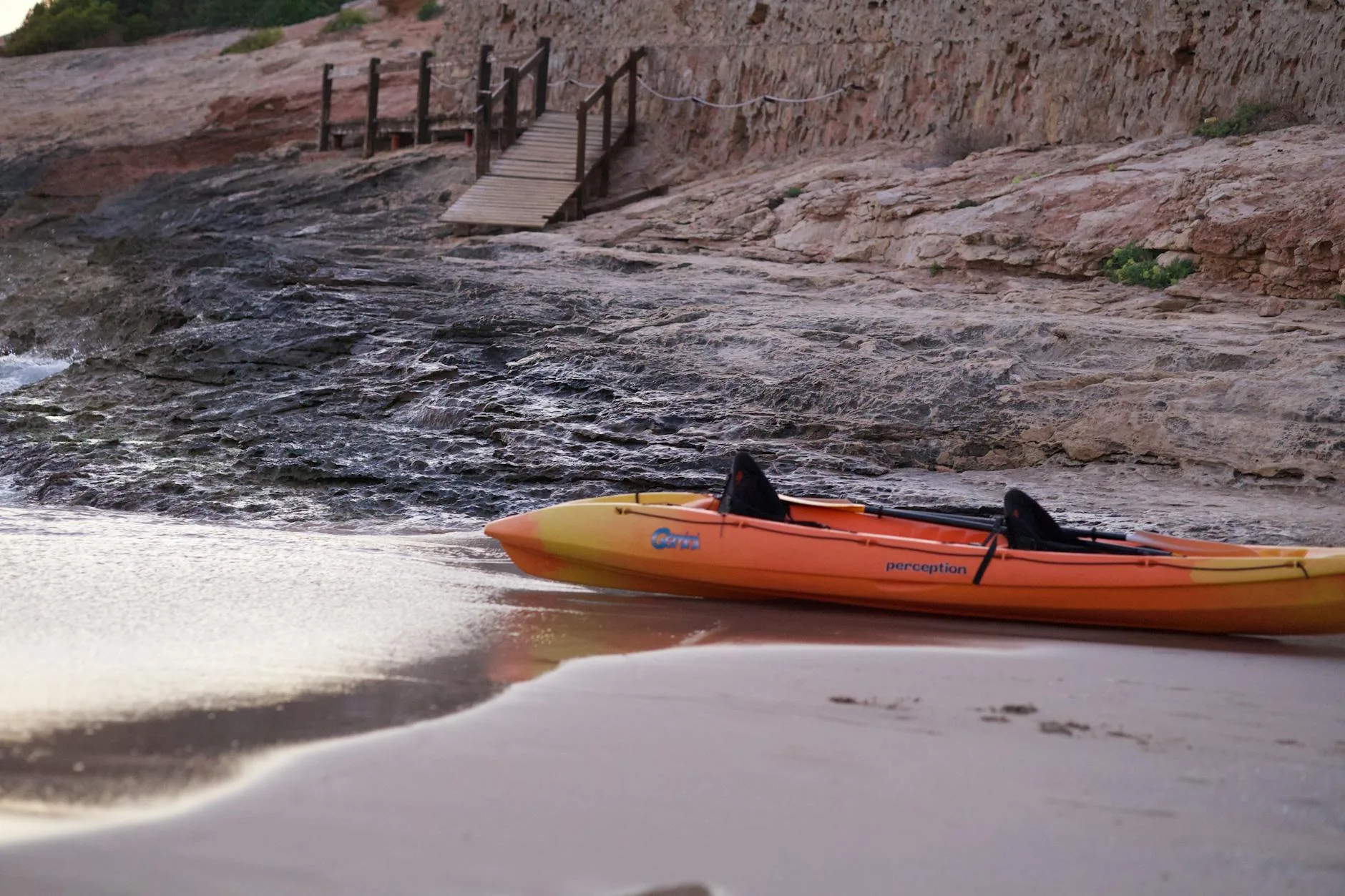
- Roof bars and kayak cradles — the standard approach. J-cradles mount the kayak on its side and free up roof space. A pair of J-cradles costs about £40-£70 from Halfords. Budget another £5-£10 for ratchet straps
- Kayak trolley — essential for getting the kayak from the car park to the water. A good trolley (about £30-£50) saves your back and dignity. Choose one with pneumatic tyres if you’re crossing soft ground or sand
- Inflatable options — if storage and transport are deal-breakers, consider an inflatable fishing kayak. They’ve improved enormously. Our guide to the best inflatable kayaks covers what’s worth buying — some of these are really stable enough for fishing
Storage at Home
A fishing kayak needs about 3-4 metres of wall or ceiling space. Wall-mounted racks (about £25-£40) are the most popular solution. Keep it out of direct sunlight — UV degrades the plastic over time. A garden shed or garage wall is ideal. If you’re tight on space, storing it on its side takes up less room than flat.
Kayak Fishing on a Budget
You can get into kayak fishing without spending a fortune:
- Kayak — secondhand Feelfree or RTM from Facebook Marketplace or eBay: £200-£400
- Paddle — aluminium shaft from Decathlon: £25
- Buoyancy aid — Decathlon or Go Outdoors own-brand: £40
- Rod holders — Scotty flush mounts, pair: £30
- Anchor and trolley kit — DIY: £20
- Dry bag, leash, whistle — £15
Total: roughly £330-£530 for a complete setup including the kayak. Compare that to even a basic powered fishing boat and it’s a fraction of the cost. Running costs are essentially zero — no fuel, no mooring fees, no engine servicing.
If you’re also interested in getting the family involved on calmer days, a tandem kayak can double as a fishing platform for pairs.
Joining the Community
Kayak fishing is sociable despite looking like a solo pursuit. Getting connected makes a real difference:
- Kayak Fishing UK (Facebook) — the biggest UK group, very active, and generally welcoming to beginners asking questions
- Local clubs — many areas have informal kayak fishing clubs that organise group sessions. These are brilliant for learning new waters safely
- British Canoeing membership — besides the waterways licence, you get access to events, training courses, and third-party liability insurance (which some waters require)
- YouTube — channels like Kayak Fishing UK Show and Tom Lees Kayak Fishing cover UK-specific tactics, gear reviews, and locations
Final Thoughts
Kayak fishing is one of the most rewarding ways to fish in the UK. The initial learning curve is real — your first trip will involve fumbling with tackle, accidentally paddling in circles, and probably getting a bit wet. That’s normal. By your third or fourth session, the mechanics become second nature and you can focus on what you came for: catching fish in places other anglers can’t reach.
Start simple. Buy a decent sit-on-top, invest in proper safety gear, choose calm water, and don’t try to bring the entire contents of your tackle shed. The rest you’ll figure out as you go — and that’s half the fun of it.
Frequently Asked Questions
Is an inflatable kayak good for beginners? It can be, especially for storage and transport. Choose one with good tracking, proper seats and enough weight capacity for your kit.
What is the difference between a kayak and a canoe? Kayaks usually use a double-bladed paddle and a lower seated position. Canoes use a single-bladed paddle and often carry more kit.
Do I need lessons before kayaking? Lessons are strongly recommended. A short beginner session teaches launching, steering, rescues and how to judge conditions.