You’ve been on one of those guided kayak trips — maybe the Jurassic Coast, maybe a lake in the Lake District — and you spent the whole drive home thinking “I could just buy one and do this whenever I want.” Now you’re on Amazon looking at kayaks ranging from £89 to £2,500, half of them have names that sound like energy drinks, and you can’t work out why some cost ten times more than others.
The good news is that choosing a first kayak is simpler than the internet makes it look. After paddling a range of beginner-friendly boats across UK lakes and rivers, we’ve narrowed down what actually matters. There are really only a handful of decisions to make, and once you understand the trade-offs, the right kayak for your situation is usually pretty obvious. The bad news is that the wrong first kayak — too tippy, too heavy, wrong type for where you’ll paddle — will sit in your garage gathering spiders instead of getting you on the water.
Sit-on-Top vs Sit-in: The First Big Decision
Every beginner kayak conversation starts here, and for good reason. These are fundamentally different boats that suit different people and different conditions.
Sit-on-Top Kayaks
You sit on a moulded seat on top of the kayak’s deck. Your legs are out in the open, not enclosed inside a cockpit. There’s no spray deck, no cockpit rim — just you perched on top of a sealed plastic hull.
Why beginners love them:
- You can’t get trapped. This is the big one. If you capsize (and you will, eventually), you just fall off into the water. There’s no cockpit to get stuck in, no spray deck to release. You bob to the surface, climb back on, and carry on. For nervous beginners and families with children, this removes the single biggest fear about kayaking.
- Easy to get on and off. Launch from a beach, riverbank, or slipway by just sitting down and pushing off. No awkward lowering-yourself-into-a-cockpit manoeuvre.
- Self-draining. Sit-on-tops have scupper holes (drain holes through the hull) that let any water on the deck drain straight out. You don’t need to bail or pump.
- Stable. Most sit-on-tops have a wider hull than equivalent sit-in kayaks, making them harder to tip. Great for fishing, photography, or just floating about on a lake.
The downsides:
- You will get wet. Water splashes up through the scupper holes, waves wash over the deck, and your legs are fully exposed. In the Mediterranean, this is refreshing. On a chilly English river in May, it’s less fun. You’ll need proper paddling clothing or a wetsuit for spring and autumn use in the UK.
- Slower and less efficient. The wider hull and higher seating position mean more wind resistance and less hydrodynamic efficiency. You work harder to cover the same distance compared to a sit-in.
- Heavier. A typical sit-on-top weighs 25-35kg — manageable, but you’ll notice it when carrying from the car to the water’s edge. Not ideal if your local launch involves a long walk.
- Wind. The high seating position catches wind. On an exposed lake or coastal paddle, a stiff breeze can push you sideways alarmingly fast. Stick to sheltered waters on windy days.
Sit-in Kayaks
You sit inside a cockpit with your legs under the deck. A spray deck (a waterproof skirt that seals around the cockpit rim and your waist) keeps water out of the hull.
Why they’re better for paddling:
- Dryer. With a spray deck fitted, waves, rain, and splashes stay out. You stay warm and dry from the waist down, which makes a massive difference on UK waterways from September to May.
- More efficient. The lower seating position and narrower hull slice through water with less effort. You’ll paddle faster and further for the same energy.
- Better in wind. Lower profile means less wind resistance. You stay on course more easily.
- Warmer. Your lower body is enclosed, shielded from wind and water. Combined with a spray deck, you can comfortably paddle in surprisingly cold conditions.
The downsides:
- Capsize anxiety. If you flip a sit-in kayak, you’re upside down inside the cockpit. A spray deck makes this worse — you need to release it, push yourself out, and surface. It’s not dangerous once you’ve practised a “wet exit” (which takes about 10 minutes to learn and is genuinely easy), but the fear of it puts some beginners off. If this worries you, try a taster session at a local kayaking club before buying.
- Harder to re-enter from the water. Getting back into a sit-in after a capsize requires technique — it’s not intuitive. Again, a few hours of practice solves this, but it’s a steeper initial learning curve.
- Less convenient. Getting in and out involves lowering yourself into the cockpit, which can be awkward from a high bank. Loading gear means stuffing it through the cockpit opening or through small hatches.
So Which One?
Buy a sit-on-top if: – You’re nervous about capsizing – You’ll paddle in summer on calm lakes, canals, and gentle rivers – Kids will use it too – You want minimum fuss — just grab it and go
Buy a sit-in if: – You want to paddle from spring through autumn (March-November in the UK without freezing) – You plan to cover decent distances or explore rivers – You want to develop your paddling skills over time – Efficiency and speed matter to you
For most UK beginners who want a kayak they’ll use beyond July and August, a sit-in kayak is the better long-term choice. The wet exit fear is a non-issue once you’ve practised it even once.
Inflatable vs Hard Shell
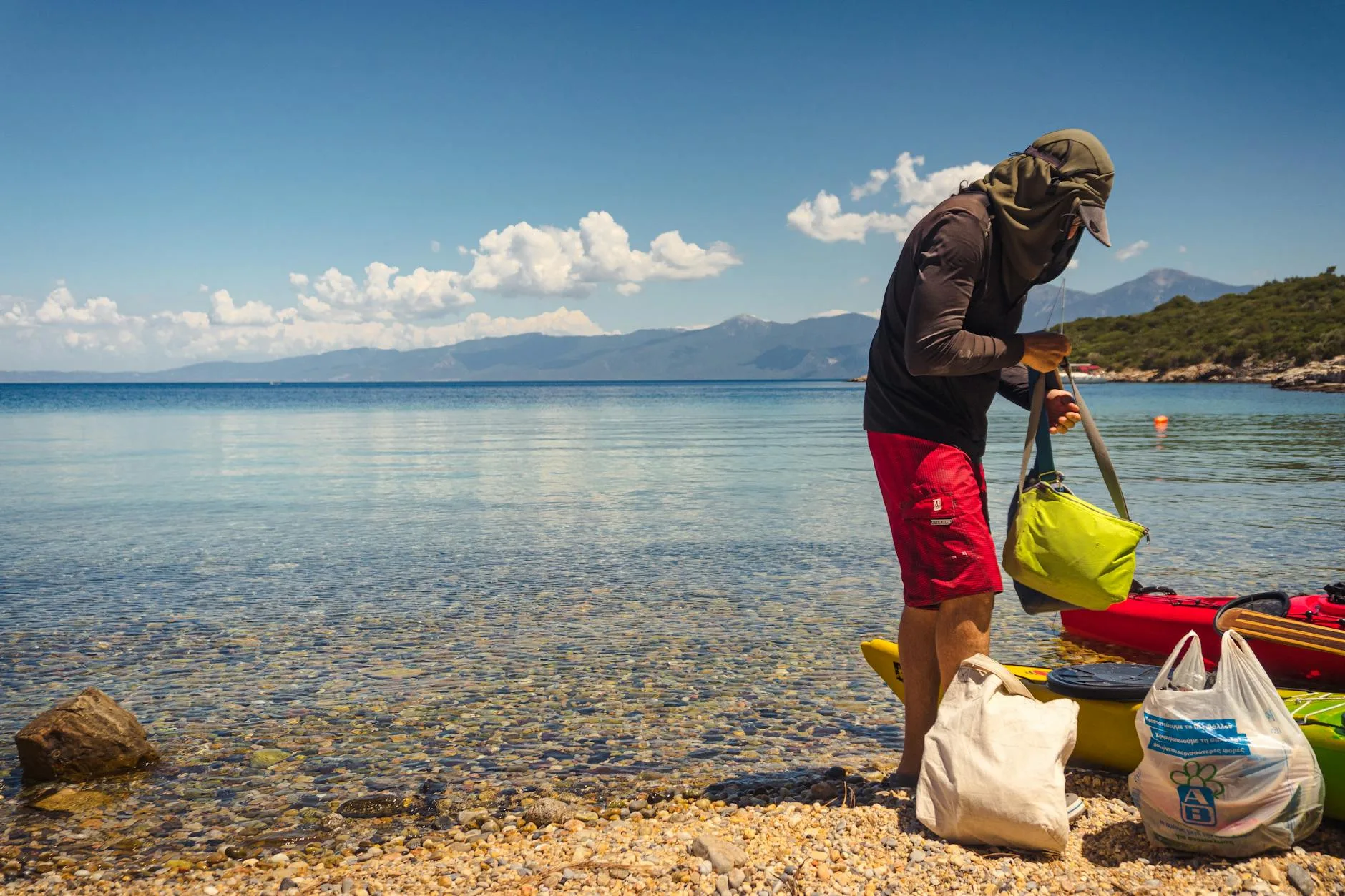
This is the second big decision, and it’s often dictated by a very practical constraint: where are you going to keep the thing?
Hard Shell (Rotomoulded Polyethylene)
The traditional kayak. A solid one-piece plastic hull, typically 2.5-4m long. This is what you picture when someone says “kayak.”
Advantages: – Better performance. A rigid hull tracks straighter, handles currents better, and responds more precisely to paddle strokes. Even a budget hard shell feels more like a “real boat” than an inflatable. – More durable. Rotomoulded polyethylene takes a beating. Scraping over rocks, bouncing off riverbanks, dragging across gravel launches — these kayaks shrug it off. You’ll see scratches but rarely damage. – Longer lifespan. A well-maintained hard shell kayak lasts 15-20 years. Many last longer.
Disadvantages: – Storage. A 3.5m kayak needs to go somewhere when you’re not using it. A garage, garden shed, or side passage is ideal. A one-bed flat in London? Not happening. Some people store them on outdoor wall racks or ceiling hoists in the garage — both work well. – Transport. You need a roof rack on your car. J-bars or foam blocks for the roof cost about £30-80. Loading a 25-30kg kayak onto a car roof solo is doable but awkward — it’s much easier with two people. If you drive a small hatchback, check that your roof can handle the weight (most can, but check the manual). – Weight. 20-35kg for most recreational kayaks. Not a problem for loading onto a car, but if your favourite launch spot involves a 500m walk from the car park, you’ll feel it.
Inflatable Kayaks
A kayak made from PVC or drop-stitch material that you inflate with a pump before use and deflate to pack into a bag afterwards.
Advantages: – Storage. Deflated, an inflatable kayak fits into a rucksack-sized bag. Store it in a cupboard, the boot of your car, or under the bed. For flat-dwellers, this is the only realistic option. – Portability. Carry it on public transport, take it on holiday in the car boot, check it as luggage on a flight. The portability opens up paddling locations that would be impractical with a hard shell. – Weight. Most inflatable kayaks weigh 10-18kg — notably lighter than hard shells. – Price. Entry-level inflatables are cheaper than equivalent hard shells.
Disadvantages: – Setup time. Budget 10-15 minutes to inflate, rig the seat, and assemble the paddle. Not a dealbreaker, but you can’t just throw it on the car and go. – Performance. Even good inflatables are slower, less responsive, and track worse than hard shells. They flex in waves, catch wind due to higher profiles, and feel “mushy” compared to rigid hulls. Premium drop-stitch inflatables (like the Itiwit x500 or Advanced Elements AdvancedFrame) close the gap considerably, but they’ll never match a good hard shell. – Puncture risk. Modern inflatable kayaks are tougher than you’d expect — most use multiple air chambers and thick PVC. Punctures are rare on open water. But dragging over sharp rocks or barnacles can cause damage. Carry a repair kit (most come with one). – Durability. Even well-made inflatables have a shorter lifespan than hard shells — typically 5-10 years with regular use. Seams can degrade, UV damages the material, and valves can fail.
The Honest Advice
If you have storage space and a car with a roof rack (or the ability to fit one), buy a hard shell. The paddling experience is noticeably better, and you’ll use it more often because there’s no inflation ritual.
If storage is really the limiting factor — a flat, no garage, small car — an inflatable is vastly better than not kayaking at all. Just spend enough to get a decent one. A £100 inflatable from Amazon will disappoint you. A £300-500 inflatable from a reputable brand will surprise you with how good it is.
What Length and Width?
Length
- Under 3m: Very short and manoeuvrable. Good for kids, playful river paddling, and tight turns. Poor at tracking straight — you’ll spend energy correcting your course.
- 3-3.5m: The sweet spot for recreational kayaks. Stable, reasonably efficient, manageable to transport and store. Most beginner kayaks fall in this range.
- 3.5-4.5m: Touring length. Faster and better tracking but longer, heavier, and harder to store and transport. Not necessary for a beginner but worth considering if you’re already fit and plan to do longer trips.
Width
- 60-70cm: Standard recreational width. Very stable, forgiving. Choose this as a beginner.
- 55-60cm: Narrower, faster, slightly less stable. Better for intermediate paddlers.
- Under 55cm: Racing and sea kayak territory. Very tippy for beginners. Avoid.
A beginner should be looking at a kayak roughly 3-3.5m long and 65-70cm wide. That gives you stability, reasonable speed, and a boat you can actually manage.
Weight Capacity
Every kayak has a maximum weight capacity — typically 100-150kg for single kayaks. This includes you, your clothing, and any gear. If you’re 90kg and plan to bring a dry bag, water bottle, and snacks, you’re using about 95-100kg of a 120kg capacity. For a related angle, see our How to Choose a Kids’ Paddleboard guide.
Don’t push close to the maximum. A kayak loaded to 90%+ capacity sits lower in the water, becomes less stable, and handles poorly. Aim to use no more than 75-80% of the stated capacity for a comfortable, responsive ride.
Where You’ll Actually Paddle in the UK
The UK has brilliant kayaking — from sheltered canals to open coastal water. Where you plan to paddle should influence your choice.
Canals and Slow Rivers
The easiest, most forgiving water for beginners. Flat, calm, sheltered from wind, and with regular exit points. The UK canal network is vast — nearly 3,200km of navigable waterways. Rivers like the Thames (above London), the Wye, the Avon, and the Great Ouse are popular and beginner-friendly.
Any recreational kayak works here. Sit-on-top or sit-in, inflatable or hard shell — you won’t be challenged by the conditions. This is where inflatables truly shine, because the lack of performance penalty matters least on flat water.
Access note: You need a British Canoeing membership (about £45/year for an individual, £62 for a family) or a day licence to paddle on most English and Welsh waterways managed by the Canal and River Trust or the Environment Agency. Scottish waterways have open access rights. The British Canoeing membership also includes third-party liability insurance, which is worth having.
Lakes
Lake District, Loch Lomond, Bala Lake, the Norfolk Broads — the UK has stunning lake paddling. Lakes are generally calm but can be surprisingly windswept and develop waves on bigger, open water. A sit-in kayak handles lake conditions better than a sit-on-top, especially on larger lakes where wind can push you off course.
Conditions change fast on UK lakes. A calm morning can turn into a 20 mph headwind by lunchtime. Always check the weather forecast, tell someone your plan, and stay within your ability. Our Sevylor vs Intex vs Advanced Elements: Inflatable Kayak Brands Compared guide is useful alongside this.
Coastal and Sea
Not for day one. Coastal kayaking introduces tides, currents, swell, wind, and meaningfully higher consequences if something goes wrong. If your goal is sea kayaking, take a course first — British Canoeing and local clubs run excellent introduction courses from about £50-100 for a day.
A beginner recreational kayak is not a sea kayak. It lacks the hull shape, bulkheads, deck lines, and length needed for open coastal water. Don’t take your new sit-on-top around a headland.
Whitewater
Also not for day one, and definitely not in a recreational kayak. Whitewater kayaking uses short, rockered, high-volume boats designed for rapids. If you’re interested, join a club — there are excellent whitewater venues at the Lee Valley White Water Centre (London), the National White Water Centre at Canolfan Tryweryn (Wales), and Holme Pierrepont (Nottingham).
Where to Buy a Kayak in the UK
High Street and Big Retail
- Decathlon — Best starting point for beginners. Their own-brand Itiwit range offers excellent value. The Itiwit x100+ sit-on-top (about £200-250) is a solid first hard shell. The Itiwit x100 inflatable (about £130-170) is the best budget inflatable around. Decathlon stores let you see and sit in kayaks before buying, which is worth doing.
- Go Outdoors — Stocks a range from budget to mid-range. Brands include Perception, Feelfree, and their own house brand. The Perception Pescador 10 sit-on-top (about £450-550) and the Feelfree Roamer 1 (about £350-450) are popular beginner choices. Go Outdoors runs frequent sales and their discount card (about £5/year) knocks 10-15% off most items.
- Halfords — Carries a small range of inflatable kayaks and accessories. Not the widest selection, but convenient.
Specialist Kayak Retailers
- Kayaks and Paddles (online, based in Norfolk) — Huge range, knowledgeable staff, great advice for beginners. They carry Dagger, Perception, P&H, Valley, and most major brands.
- Bournemouth Canoes — Wide stock, competitive prices, helpful for beginners.
- UK Kayaking (online) — Good for budget and mid-range inflatables.
- Escape Watersports — Stocks premium brands and runs demo days where you can try before you buy.
- Manchester Canoes — Great for northern buyers, carries quality brands and accessories.
Online-Only
- Amazon UK — Wide range, but quality varies enormously. Stick to known brands (Intex for very cheap inflatables, Sevylor for mid-range, Advanced Elements for premium inflatables). Avoid unbranded kayaks that look suspiciously cheap.
- eBay — Good for second-hand hard shell kayaks. A used Perception or Dagger in decent condition for £150-250 is often better value than a new budget kayak.
Buying tip: If you can, visit a physical store and sit in the kayak. Comfort varies massively between models, and what works for your mate might not work for you. Seat position, legroom, cockpit width — these are personal. Twenty minutes in a showroom saves a lot of regret.
Price Guide: What to Expect at Each Budget
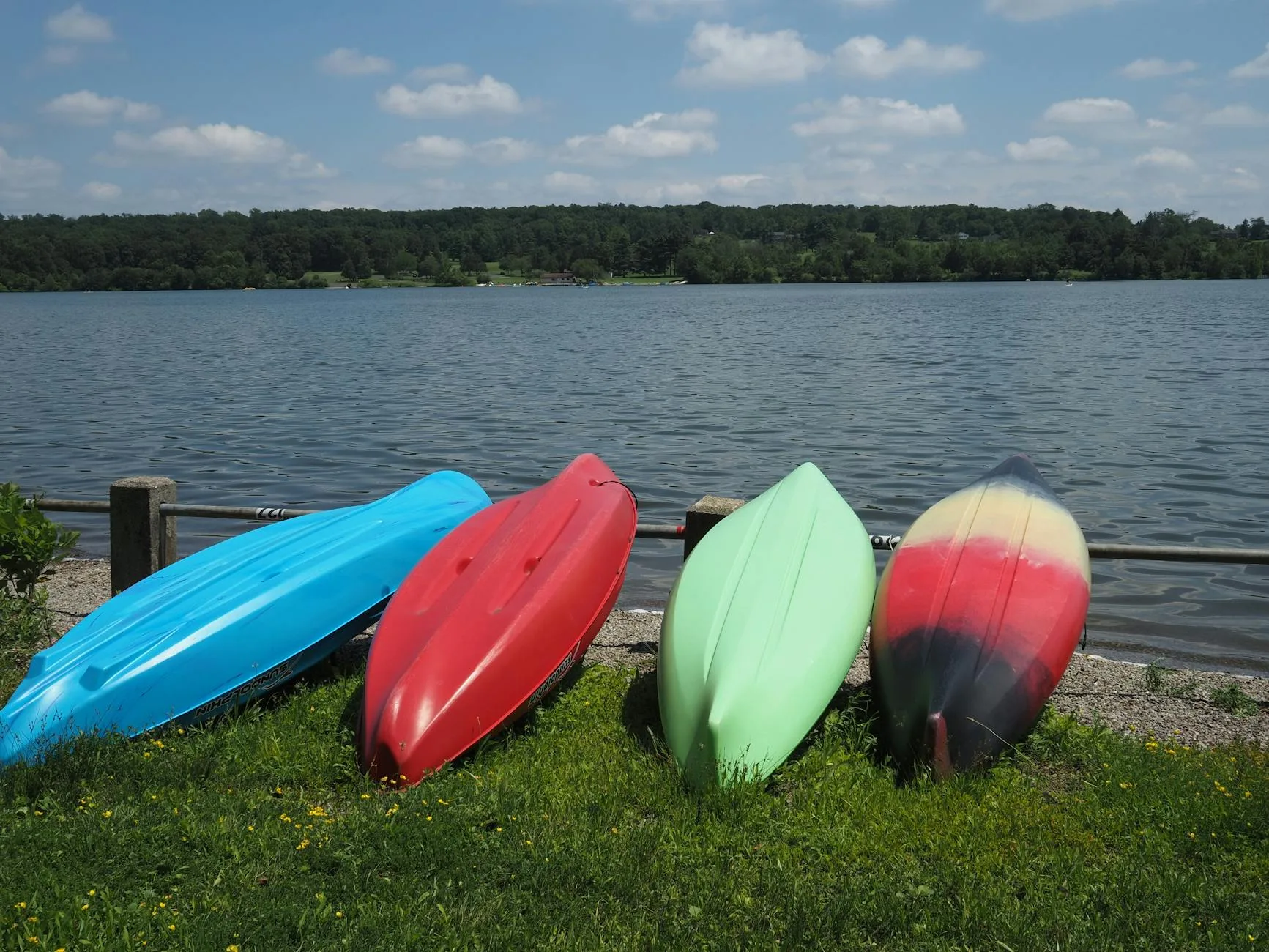
£200-300: Getting Started
At this range, you’re looking at entry-level inflatables or basic sit-on-tops.
Itiwit x100 2-Person Inflatable (about £170-200 from Decathlon): Can be paddled solo or tandem. Packs into a bag. Decent for canals and calm lakes. Not fast, not elegant, but it gets you on the water for less than £200 and it’s surprisingly robust.
Itiwit x100+ Sit-on-Top (about £230-280 from Decathlon): A hard shell sit-on-top that punches above its price. Stable, comfortable enough for a couple of hours, and well-made for the money. Our pick for an absolute beginner who has storage space and just wants to start paddling this weekend. We cover a similar decision in Best Paddleboards for Fishing 2026 UK.
£300-500: The Sweet Spot
This is where you start getting actually good kayaks that you won’t outgrow in a season.
Perception Zip 9.5 (about £350-400): A sit-in recreational kayak that’s popular with UK beginners for good reason. Stable, comfortable, tracks well for its length, and light enough (21kg) to handle solo. The large cockpit makes entry and exit easy, which helps with capsize anxiety. Available from Go Outdoors, Kayaks and Paddles, and various specialist retailers.
Feelfree Roamer 1 (about £350-450): A sit-on-top with a cult following. The Wheel in the Keel system (a built-in wheel for dragging it to the water) is a small thing that makes a big difference when you’re hauling 28kg from the car park. Stable, comfortable, well-designed storage. A proper all-rounder.
Itiwit x500 Inflatable (about £350-400 from Decathlon): The inflatable that changes people’s minds about inflatables. Drop-stitch construction makes it far more rigid than cheaper models. It tracks surprisingly well, packs into a bag, and weighs about 14kg. If you live in a flat and need portability, this is the one to buy.
£500-800: Investing in the Hobby
At this level, you’re buying a kayak that’ll last years and perform well enough that you won’t feel limited by your equipment.
Dagger Stratos 12.5 (about £600-750): A sit-in kayak that bridges recreational and touring. At 3.8m, it’s longer than a pure beginner boat but faster and more efficient for longer paddles. Excellent tracking, comfortable seat, and the quality you’d expect from Dagger. This is the kayak you buy if you know you’ll stick with the sport and want to avoid upgrading in a year.
Perception Expression 11.5 (about £500-600): Another excellent sit-in that’s slightly shorter and more manoeuvrable than the Stratos. Great for rivers and lakes. Comfortable for all-day paddling.
Advanced Elements AdvancedFrame (about £450-550): The premium inflatable option. An aluminium frame stiffens the bow and stern, giving it tracking ability that surprises people used to floppy inflatables. It really narrows the gap between inflatable and hard shell performance. If you need an inflatable and can spend this much, this is the one.
Essential Accessories (Don’t Forget These)
The kayak is only part of the cost. Budget for:
- Paddle: Don’t use the cheap one that comes in the box (if one’s included). A decent aluminium or fibreglass paddle costs £40-80 (the Palm Drift or Ainsworth touring paddles are good entry options). Cheap paddles are heavy and the blades flex, wasting your energy.
- Buoyancy aid (PFD): Non-negotiable. Wear one every time, no exceptions. Palm Equipment and Yak make excellent, comfortable options from about £40-70. Don’t buy the cheapest one — an uncomfortable buoyancy aid is one you’ll “forget” to wear.
- Dry bag: For your phone, keys, wallet, and snacks. An Overboard 5L dry bag (about £10-15) is perfect.
- Spray deck (sit-in kayaks): Keeps water out of the cockpit. About £25-50 for a nylon recreational spray deck. Make sure you practise the wet exit with the spray deck on before going on open water.
- Roof rack or foam blocks (hard shell kayaks): J-bars from about £50-80, foam blocks from £20-30. Ratchet straps, not bungee cords — about £10-15.
Total accessories budget: about £100-200 on top of the kayak.
Getting Started Safely
A few things that aren’t obvious until someone tells you:
Take a lesson. Even a 2-hour taster session at a local kayak club or outdoor centre teaches you basic paddle strokes, how to get in and out, and how to self-rescue. British Canoeing’s “Discover” award is designed for exactly this. A course costs about £30-50 and makes your first solo paddle safer and more enjoyable.
Tell someone where you’re going and when you’ll be back. This isn’t paranoia — it’s basic safety. A quick text: “Paddling on the Thames from Henley to Hambledon and back, should be done by 3pm.” If something goes wrong, someone knows where to look.
Check the weather. Wind is the enemy of kayakers, especially beginners. Anything above 15 mph makes paddling hard work and potentially dangerous on open water. Check the forecast, and if in doubt, don’t go. If you’re considering inflatables for easier storage, our best inflatable kayaks 2026 guide has our top picks.
Dress for the water temperature, not the air temperature. A sunny 18°C day in April feels warm, but UK river water in April is about 8-10°C. If you capsize, cold water shock is a real risk. Wear a wetsuit or dry layers that keep you warm when wet.
Start small. Your first solo paddle should be a short, sheltered route with easy launch and exit points — a canal, a small lake, or a gentle river stretch. Build up to longer and more exposed routes as your skills and confidence grow.
Kayaking in the UK is one of those hobbies where the barrier to entry is lower than people think. A £250-400 kayak, a decent paddle, a buoyancy aid, and a Saturday morning is all you need to get started. Our guide to the best kayaking routes in the UK will give you ideas for where to go first. The waterways are right there. Go use them.
Frequently Asked Questions
Is an inflatable kayak good for beginners? It can be, especially for storage and transport. Choose one with good tracking, proper seats and enough weight capacity for your kit.
What is the difference between a kayak and a canoe? Kayaks usually use a double-bladed paddle and a lower seated position. Canoes use a single-bladed paddle and often carry more kit.
Do I need lessons before kayaking? Lessons are strongly recommended. A short beginner session teaches launching, steering, rescues and how to judge conditions.
What should I check first with How to Choose a Kayak for a Beginner? Start with the real use case, then check size, compatibility, running costs and maintenance. A product that looks good on paper can still be the wrong fit if it does not suit the room, routine or budget.
How do I avoid wasting money on How to Choose a Kayak for a Beginner? Avoid buying on one headline feature alone. Compare the practical details, read the warranty or returns terms, and choose the option that solves your main problem rather than the one with the longest specification list.