Last summer, I found myself paddling along the winding River Wye, surrounded by lush greenery and the gentle splash of my paddle. The water looked calm, but a sudden gust and a hidden current quickly reminded me why choosing the right buoyancy aid is crucial for kayaking. If you’re planning your first trip or looking to upgrade your kit, this buoyancy aid kayaking guide will help you stay safe and comfortable on the water, whatever your adventure.
In This Article
- Why a Buoyancy Aid is Essential for Kayaking
- Understanding Buoyancy Aids vs Life Jackets
- Key Features to Look for in a Kayaking Buoyancy Aid
- Choosing the Right Buoyancy Aid for Your Kayaking Activity
- Sizing and Fitting Your Buoyancy Aid
- Care and Maintenance of Your Buoyancy Aid
- Other Essential Safety Gear for Kayakers
- Frequently Asked Questions
Why a Buoyancy Aid is Essential for Kayaking
Safety is the foundation of any kayaking trip. Even on calm days, the UK’s rivers, lakes, and coastal waters can surprise you with unexpected currents, changing weather, or unseen obstacles. A buoyancy aid is not just a box to tick-it’s a vital piece of kit that keeps you afloat if you capsize or become tired.
I remember my first sea kayaking trip in Cornwall; the swell was manageable, but a momentary lapse in balance had me in the drink. My buoyancy aid kept me afloat while I righted my kayak and climbed back in. The Royal National Lifeboat Institution (RNLI) highlights that a buoyancy aid is essential for all paddlers, regardless of experience-see more at the RNLI’s kayaking safety guidance.
In the UK, water temperatures can be cold even in summer, and cold shock is a real risk. A buoyancy aid helps keep your head above water, giving you precious time to recover and self-rescue. In tidal estuaries, Scottish lochs, or the fast-moving rivers of Wales, a buoyancy aid is your first line of defence.
Understanding Buoyancy Aids vs Life Jackets
Before you buy, it’s important to understand the difference between buoyancy aids and life jackets. Both help you stay afloat, but they’re designed for different situations.
What is a Buoyancy Aid?
A buoyancy aid is designed for active water sports like kayaking, canoeing, and paddleboarding. It provides enough lift to keep you afloat but allows for a wide range of movement, making it comfortable for paddling. In the UK, these are typically rated at 50 Newtons (N) of buoyancy for adults, which is suitable for competent swimmers in sheltered waters.
How is a Life Jacket Different?
Life jackets offer more buoyancy and are built to turn an unconscious person face-up in the water. They’re bulkier and often used for sailing or offshore boating, where rescue might take longer and the risk of unconsciousness is higher. Life jackets are usually rated at 100N or 150N and are designed for more hazardous conditions, including open sea and non-swimmers.
Which Should You Choose?
For kayaking in the UK, a buoyancy aid is typically the best choice. It offers:
- Freedom of movement for paddling
- Comfort for long periods
- Plenty of buoyancy for inland and nearshore waters
For more detailed safety guidance, check British Canoeing’s safety advice.
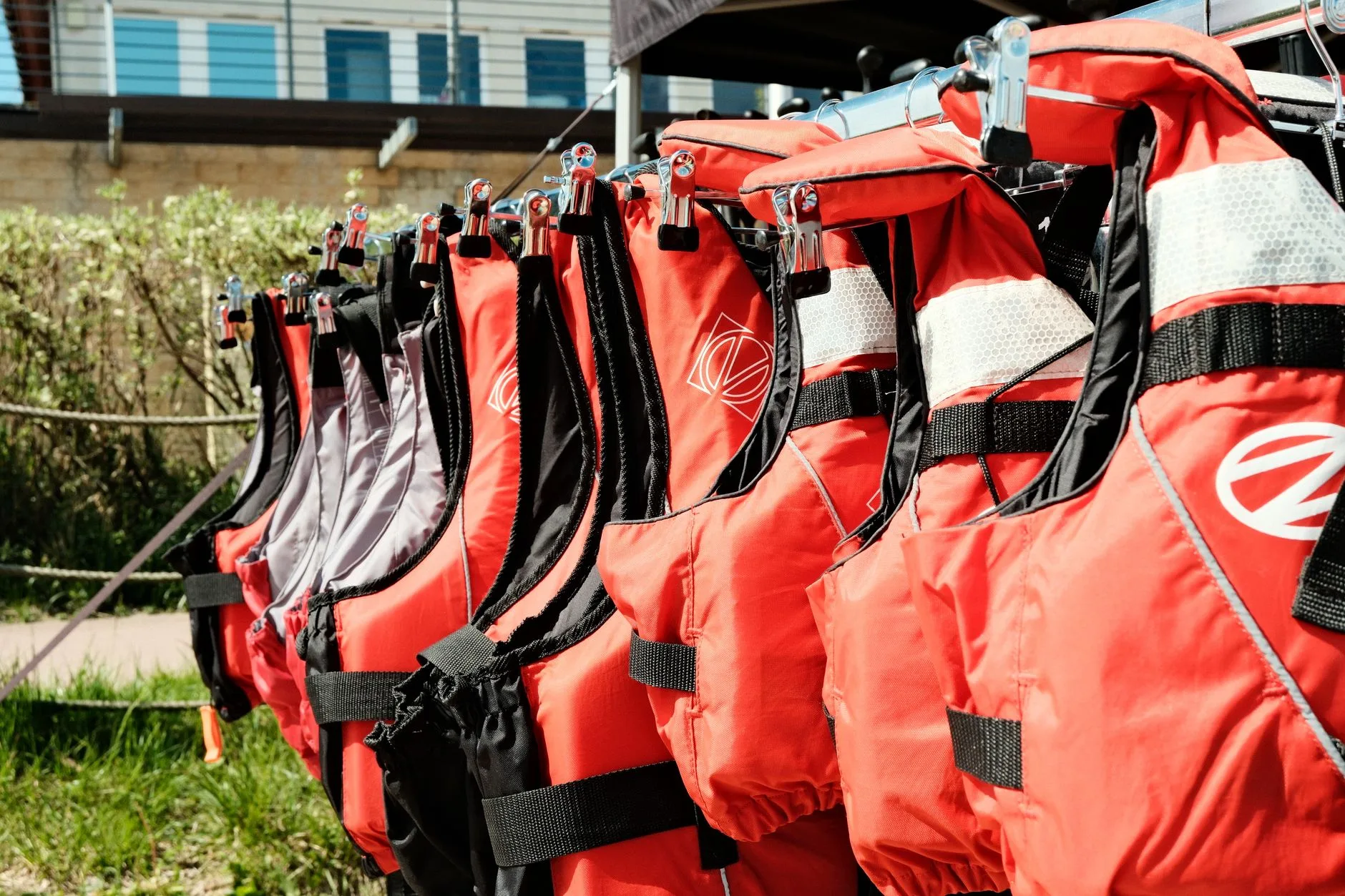
Key Features to Look for in a Kayaking Buoyancy Aid
Not all buoyancy aids are created equal. Here’s what I look for after years of paddling in different conditions:
- Buoyancy Rating:
- Measured in Newtons (N)
- For kayaking, 50N is standard for adults (suitable for competent swimmers in sheltered waters)
- Children’s aids should be sized and rated appropriately
In the UK, all buoyancy aids sold must comply with European (CE) or international (ISO) standards. Always check the label for certification and ensure it meets BS EN ISO 12402-5 for 50N buoyancy aids.
- Fit and Comfort:
A well-fitting buoyancy aid won’t ride up or restrict your movement. Look for:
- Adjustable shoulder and waist straps
- Soft, flexible foam for comfort
- Contoured designs that fit the body
I once borrowed a friend’s old buoyancy aid that was too loose; it kept riding up and chafing my neck, making the trip uncomfortable.
- Pockets and Storage:
Convenient for snacks, a whistle, or a waterproof phone case. Some kayaking-specific models have:
- Zipped front pockets
- Attachment points for safety knives or mini torches
In the UK, where weather can change rapidly, having a pocket for an emergency foil blanket or a small first aid kit is a smart move.
- Ease of Entry and Exit:
Front zip or side entry? I prefer a front zip for quick donning and doffing, especially if you’re layering up for colder water. Side entry models can offer a sleeker fit, which some whitewater paddlers prefer.
- Bright Colours and Reflective Details:
High-visibility colours and reflective strips make you easier to spot in the water, which is crucial if you need assistance. In the UK, where visibility can be reduced by mist or rain, bright orange, red, or yellow are popular choices.
- Drainage:
Mesh panels or drainage holes stop water from pooling inside the aid, making it lighter and more comfortable.
- Certification:
Look for CE or ISO certification to ensure the aid meets safety standards. The label should indicate compliance with BS EN ISO 12402-5 for buoyancy aids.
- Gender-Specific and Adaptive Designs:
Some brands offer women’s-specific cuts or adaptive designs for paddlers with limited mobility. These can improve comfort and safety, especially on longer trips.
Choosing the Right Buoyancy Aid for Your Kayaking Activity
The best buoyancy aid for you depends on your chosen type of kayaking. Let’s break it down by activity:
Recreational Flatwater Kayaking
- Prioritise comfort and freedom of movement
- Pockets for small essentials are handy
- A basic 50N buoyancy aid is usually sufficient
For gentle rivers like the Thames or the Norfolk Broads, a lightweight, comfortable aid is ideal. Look for models with simple adjustments and minimal bulk.
Touring and Sea Kayaking
- Extra pockets for safety gear, snacks, and navigation aids
- Bright colours for visibility in open water
- A snug fit to prevent chafing on long trips
For multi-day trips along the Scottish coast or around Anglesey, consider aids with hydration bladder compatibility and large pockets for VHF radios, flares, or navigation charts. British sea kayakers often favour high-visibility designs and reflective trim for safety in busy shipping lanes.
Whitewater Kayaking
- High-cut designs for better mobility and to fit with spraydecks
- Reinforced panels for abrasion resistance
- Consider models with rescue features if running advanced rapids
Whitewater environments like the River Tryweryn or Dart Loop demand robust buoyancy aids. Look for models with harnesses for rescue use (if trained), and extra padding for protection against rocks. For more on safety kit for rapids, check our Helmet Guide for Whitewater Kayaking.
Kayak Fishing
- Buoyancy aids with multiple pockets and attachment points for tackle
- Some models have built-in hydration bladders or tool holders
UK kayak anglers on lakes, estuaries, or inshore waters benefit from aids with ample storage for tackle, pliers, and safety gear. Some models include D-rings for attaching a net or fish gripper. Safety is vital, especially when handling hooks and lines-see our Kayak Fishing for Beginners: Getting Started in the UK for more tips.
Kids and Family Kayaking
- Choose models specifically designed for children, with crotch straps and head support
- Bright colours are a must for visibility
In the UK, children’s buoyancy aids must comply with BS EN ISO 12402-4 (100N) or 12402-5 (50N) depending on swimming ability and water conditions. Always use crotch straps and ensure a snug fit.
Adaptive and Inclusive Paddling
Many UK clubs and centres offer adaptive kayaking sessions. Some buoyancy aids are designed for paddlers with reduced mobility, offering easy donning, extra support, or alternative fastening systems.
Sizing and Fitting Your Buoyancy Aid
A buoyancy aid only works if it fits properly. Here’s how I ensure a good fit:
Step-by-Step Fitting Guide
- Check the size label. Most UK brands use chest measurements in centimetres or inches.
- Loosen all straps before putting it on.
- Put the buoyancy aid on and zip or buckle it up.
- Tighten the waist belt first, then the shoulder straps. The fit should be snug but not restrictive.
- Lift your arms and twist your body. The aid shouldn’t ride up or chafe.
- Have a friend pull up on the shoulder straps. If it slips over your chin or ears, it’s too loose.
- Layer appropriately. Try it on over the clothing you’ll wear paddling, especially if using wetsuits or drysuits.
If you’re in doubt, visit a local paddlesports shop and try several models. I’ve found that fit varies between brands, so don’t settle for “close enough.”
Tips for Children
- Never buy a buoyancy aid for a child to “grow into”-it must fit snugly now.
- Always use crotch straps on kids’ models to prevent the aid from riding up.
- Check the fit each season, as children grow quickly.
Fitting for Different Body Types
UK paddlers come in all shapes and sizes. Some brands offer extended sizing or custom adjustments for larger or smaller frames. Women’s-specific models often have shorter torso lengths and contoured foam for a better fit.
Trying Before You Buy
Many UK outdoor retailers and paddling centres offer demo days or fitting sessions. Take advantage of these opportunities to test different models, especially if you’ll be paddling in challenging conditions.

Care and Maintenance of Your Buoyancy Aid
A well-cared-for buoyancy aid lasts longer and performs better. Here’s how I keep mine in top shape:
- Rinse with fresh water after every trip, especially if you’ve been in saltwater or muddy rivers.
- Dry thoroughly away from direct sunlight or heat sources.
- Store in a cool, dry place-never leave it in a damp kit bag.
- Check regularly for damage, such as torn fabric, broken buckles, or compressed foam.
- Replace if it shows signs of wear or if the buoyancy feels reduced.
I once left my buoyancy aid in a hot car boot after a paddle-when I retrieved it, the foam had warped. Lesson learned: heat and damp can ruin your kit.
Annual Safety Checks
In the UK, many paddling clubs recommend an annual check before the main paddling season. Look for:
- Fading or cracking of fabric (UV damage)
- Stiff or corroded zips and buckles
- Loss of buoyancy (foam feels thin or crumbly)
- Mildew or unpleasant odours (sign of poor drying)
If you hire buoyancy aids from a UK centre, staff should check and maintain them regularly, but always inspect your own before use.
Other Essential Safety Gear for Kayakers
A buoyancy aid is just the start. To stay safe and comfortable, consider these other essentials:
- Helmet: Especially for whitewater or rocky environments. Get the right fit and certification-see our Helmet Guide for Whitewater Kayaking.
- Dry Bag: Keep your spare kit, food, and electronics dry and secure. Our Dry Bags Explained: How to Keep Your Gear Dry covers everything you need to know.
- Whistle: For signalling in an emergency. In the UK, a whistle is often required for group trips and by many clubs.
- Appropriate clothing: Dress for the water temperature, not just the air. In the UK, a wetsuit or drysuit may be essential, especially outside summer.
- First aid kit and throw line: Especially for group trips or remote locations. Many UK rivers require a throw line for rescue situations.
- Paddle leash: Prevents losing your paddle in a capsize.
- VHF radio or mobile phone in a waterproof case: For coastal or remote trips, a means of calling for help is vital.
- Knowledge: Being fit and knowing how to use your equipment is key-check How to Get Fit for Kayaking for practical training tips.
- Technique: Knowing how to handle your paddle is vital-see our How to Hold and Use a Kayak Paddle Correctly for guidance.
Local Regulations and Club Requirements
In the UK, some waterways (like the Thames or canal systems) have specific safety requirements. Many clubs and outdoor centres require you to wear a buoyancy aid at all times on the water. Check local rules and always follow club guidance.
Environmental Considerations
Choose a buoyancy aid with environmentally friendly materials if possible. Some UK brands use recycled fabrics or low-impact manufacturing processes.
Frequently Asked Questions
How do I know if my buoyancy aid fits properly?
A buoyancy aid should fit snugly without restricting movement. Tighten all straps so it doesn’t ride up when you lift your arms or when someone pulls up on the shoulders. If it can be pulled over your chin or ears, it’s too loose.
Can I use a life jacket for kayaking instead of a buoyancy aid?
While life jackets provide more buoyancy and can turn an unconscious person face-up, they’re bulkier and restrict movement. For kayaking, a 50N buoyancy aid is usually more comfortable and practical, unless you’re paddling in very rough or offshore conditions.
How often should I replace my buoyancy aid?
With regular use and proper care, a buoyancy aid can last several years. Replace it if the fabric is torn, the foam feels compressed, or the buckles and zips are damaged. Exposure to sunlight, salt, and heat can all shorten its lifespan.
Do I need to wear a buoyancy aid if I’m a strong swimmer?
Yes, everyone should wear a buoyancy aid while kayaking. Even strong swimmers can become tired, injured, or disoriented in cold or rough water. Safety experts, like those at the RNLI, stress that buoyancy aids save lives.
What’s the difference between a 50N and a 100N buoyancy aid?
A 50N buoyancy aid is for competent swimmers in sheltered waters and is ideal for kayaking. A 100N aid provides more lift and is designed to turn a person face-up, but it’s bulkier and often used for boating or sailing.
Can I buy a second-hand buoyancy aid?
It’s possible, but check for signs of damage or wear, such as faded fabric, broken buckles, or compressed foam. If in doubt, invest in a new, certified model for peace of mind.
Are there any legal requirements for buoyancy aids in the UK?
While there is no universal law requiring buoyancy aids for kayaking on all UK waters, many managed waterways, clubs, and event organisers require them. For commercial or instructional use, CE or ISO certification is mandatory. Always check local rules before paddling.
How do I clean my buoyancy aid after paddling in saltwater?
Rinse thoroughly with fresh water to remove salt, which can degrade fabric and buckles. Allow to dry naturally in a ventilated area, away from direct heat.
Can I use my kayaking buoyancy aid for other watersports?
Many buoyancy aids are suitable for canoeing, paddleboarding, or sailing, but always check the manufacturer’s recommendations. Some activities, like jet skiing or offshore sailing, may require higher buoyancy or different designs.