You’re standing in Go Outdoors staring at a wall of kayaks and the price tags range from £80 to £1,200. The orange inflatable looks fun. The long green sit-in looks serious. The wide plastic sit-on-top looks comfortable but also like something you’d see at a holiday park. Nobody working the floor seems confident about the differences, and the online reviews are a mess of beginners raving about their first-ever kayak and experts complaining about hull flex.
Choosing the right kayak comes down to three things: where you’ll paddle, how you’ll transport it, and how much faff you’re willing to tolerate. Get those right and you’ll use your kayak every weekend. Get them wrong and it’ll spend the next five years gathering dust in the garage next to the exercise bike.
In This Article
- Sit-In vs Sit-On-Top vs Inflatable
- Best Sit-In Kayaks
- Best Sit-On-Top Kayaks
- Best Inflatable Kayaks
- Choosing a Kayak for UK Waters
- Essential Accessories
- Transport and Storage
- Safety on the Water
- Where to Buy in the UK
- Frequently Asked Questions
Sit-In vs Sit-On-Top vs Inflatable
Sit-In Kayaks
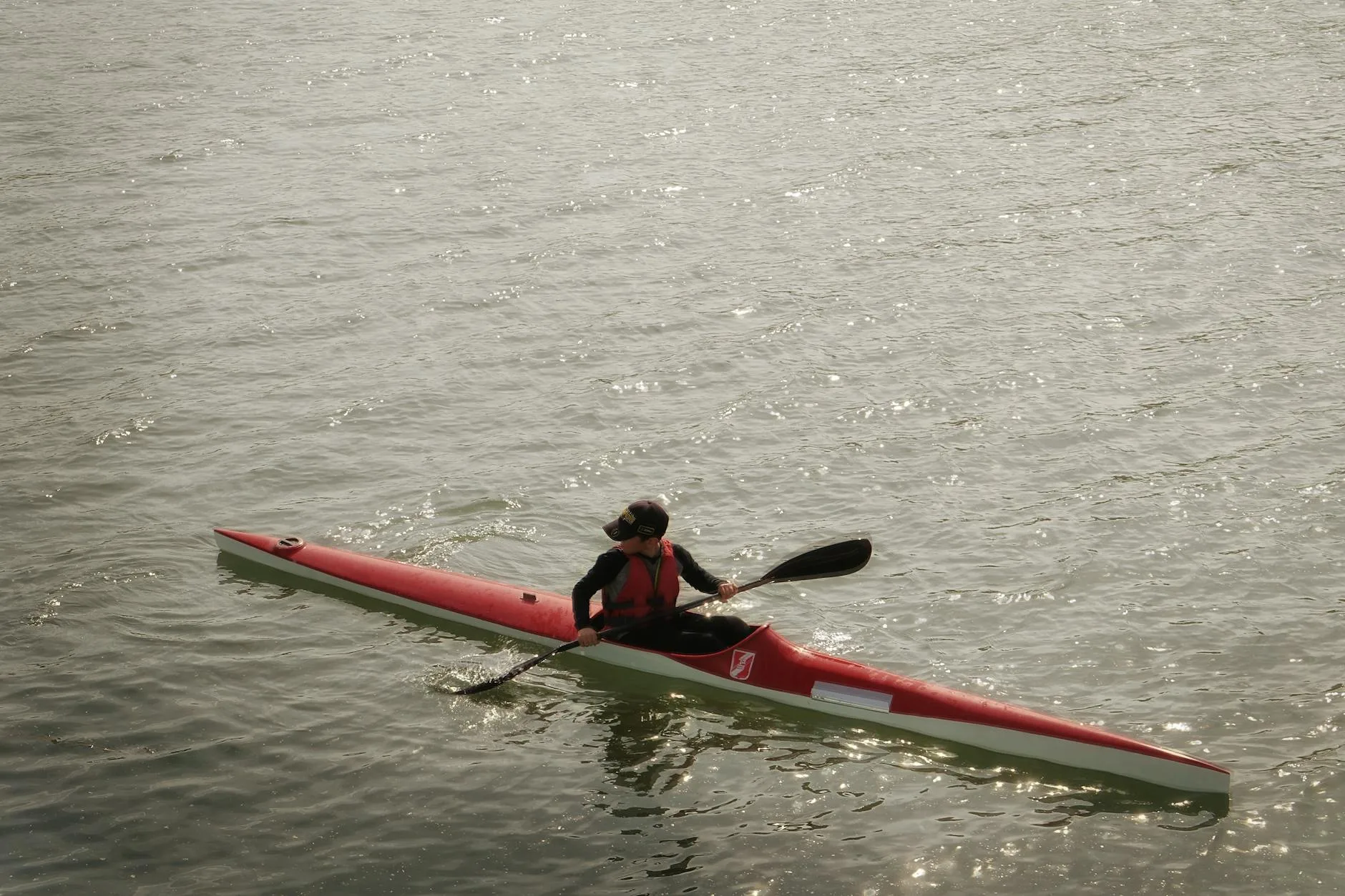
You sit inside a cockpit with your legs enclosed. A spray skirt keeps water out. Sit-ins track straighter, paddle more efficiently, and keep you drier in waves and cold weather. They’re the best choice for touring, river paddling, and anything where speed or distance matters.
The trade-off: they’re harder to get in and out of, capsizing means you need to know how to wet exit (it’s easy, but you need to practise), and they’re heavy to carry (typically 20-30kg for a hardshell).
Sit-On-Top Kayaks
You sit in a moulded seat on top of the hull with nothing enclosing your legs. If you capsize, you just slide off and climb back on. They’re wider, more stable, and much easier for beginners. Perfect for sheltered coastline, lakes, and warm-weather paddling.
The downsides: slower than sit-ins, you get wet from splash and drips, and they’re not great in cold UK conditions because there’s no protection from wind and spray. Heavier than sit-ins too (25-35kg typically).
Inflatable Kayaks
Inflatable kayaks pack into a backpack-sized bag, inflate in 5-10 minutes with a hand pump, and weigh 10-15kg. They’ve improved enormously in the past five years — modern drop-stitch inflatables are rigid enough for proper paddling, not the wobbly pool toys of the 2000s.
The compromise is performance: inflatables are slower, less efficient to paddle, and more affected by wind than hardshell kayaks. But the convenience advantage is massive. If you don’t have roof bars, live in a flat, or need to walk to the water, an inflatable might be the only realistic option. We’ve covered the best inflatable kayaks in a dedicated guide if inflatables are your starting point.
Best Sit-In Kayaks
Best for Touring: Dagger Stratos 14.5 (about £900, from dealers)
The Stratos is a proper touring kayak — 4.4m long, tracks beautifully, and covers distance efficiently. The adjustable seat is comfortable for all-day paddling, and the storage hatches hold camping gear for overnight trips. It’s the kayak for people who want to explore the Scottish lochs, Welsh coast, or Lake District over multiple days. Heavy (27kg) and long, so you need a car with roof bars and a garage for storage.
Best All-Rounder: Perception Sundance 12 (about £550, perception.co.uk)
If you want one sit-in that handles everything from lake paddling to gentle rivers, the Sundance 12 is hard to beat at the price. At 3.7m, it’s manoeuvrable enough for rivers but long enough to track well on open water. The large cockpit makes entry and exit easier than narrower touring boats. Available from Perception dealers, Go Outdoors, and Canoe Shops UK.
Best Budget: Riber One-Person Kayak (about £250, amazon.co.uk)
For under £300, the Riber is a solid entry-level sit-in. It’s shorter (3m) and wider than touring kayaks, which makes it stable but slower. Perfect for canal trips, small lakes, and gentle rivers. The seat is basic — an aftermarket cushion (£15) improves comfort considerably. Not a kayak you’ll keep for 10 years, but a good one to learn on.
Best Sit-On-Top Kayaks
Best Overall: Ocean Kayak Malibu Two (about £650, dealers)
The Malibu Two is the best-selling sit-on-top in the UK — a tandem that works equally well solo. It’s stable enough that beginners feel confident immediately, and the open deck means kids and dogs can come along without the claustrophobia of a cockpit. Two moulded seats and a centre position give you flexibility. At 19kg for the PE version, it’s lighter than many single-seat kayaks. Perfect for coastal sheltered water, lakes, and holiday paddling.
Best Budget: Lifetime Hydros 85 (about £200, costco.co.uk)
Available periodically at Costco and online retailers, the Hydros 85 is a basic single-seat sit-on-top for under £200. It’s short (2.6m), wide, and very stable — essentially a floating seat that you paddle. Not fast, not efficient, but functional for lake and calm-water paddling. The best option if you want to try kayaking without committing serious money. For a related angle, see our Best Fishing Kayaks 2026 UK: Pedal, Paddle & Motorised guide.
Best for Fishing: RTM Tempo Angler (about £500, dealers)
Purpose-built for fishing with rod holders, storage wells, and a raised seat position for casting. The hull is wide and stable enough to fish from without worrying about capsizing every time you reach for your tackle box. Popular with UK sea anglers for sheltered coastal fishing and with freshwater anglers on lakes and reservoirs.
Best Inflatable Kayaks
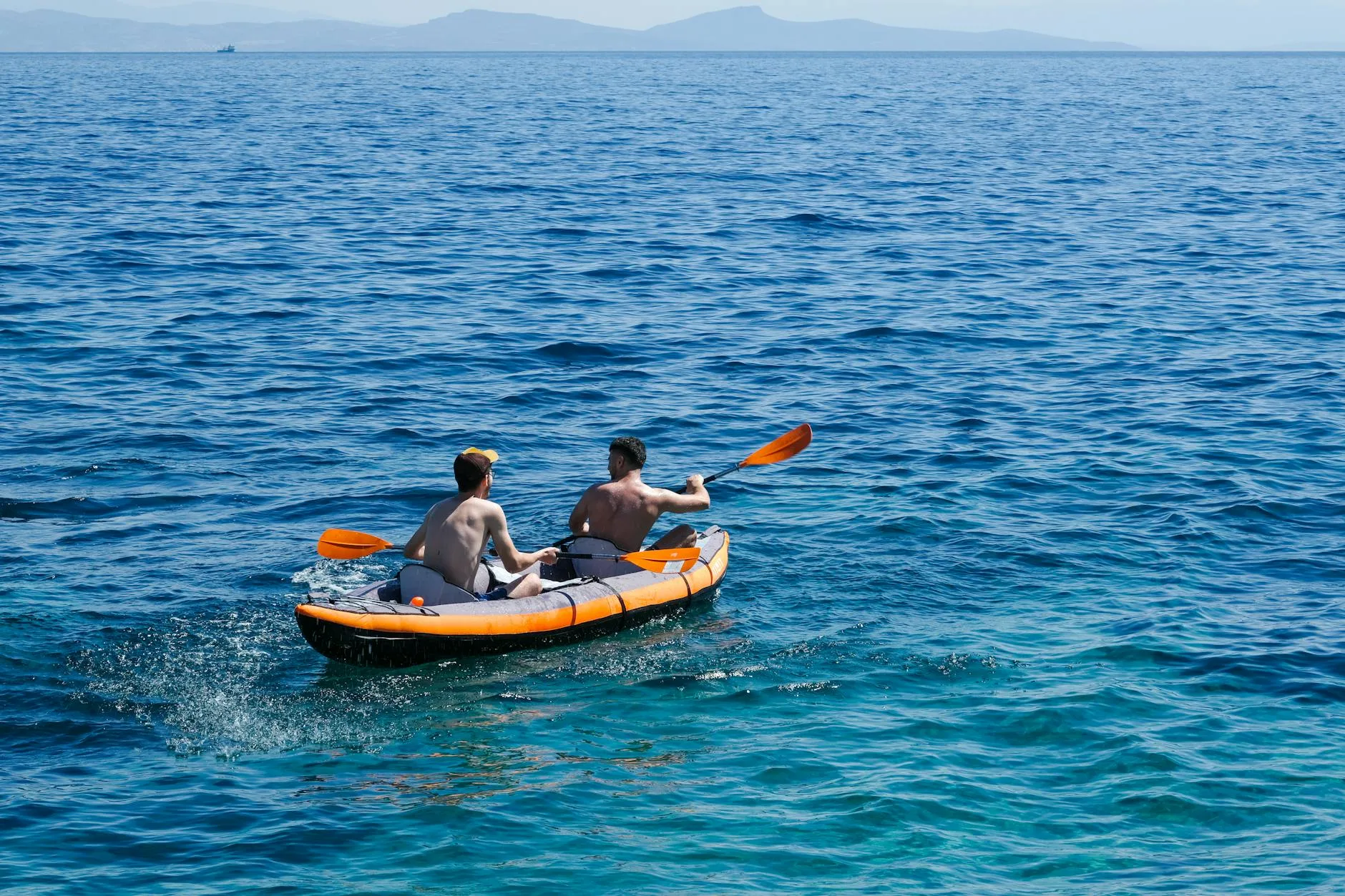
Best Overall: Itiwit x100+ 2-Person (about £250, decathlon.co.uk)
Decathlon’s Itiwit range has quietly become the benchmark for affordable inflatable kayaks. The x100+ inflates in 5 minutes, paddles surprisingly well for the price, and packs into a bag that fits in a car boot. The drop-stitch floor provides genuine rigidity — it feels like a real kayak, not a pool float. Tracking fins on the underside keep it going straight. At £250 for a tandem, it’s exceptional value. Available from Decathlon stores and online.
Best Performance: Advanced Elements AdvancedFrame (about £500, dealers)
The AdvancedFrame uses aluminium ribs inside the inflatable hull that give it the shape and tracking of a hardshell kayak. It’s the closest an inflatable gets to sit-in performance. The bow and stern form rigid points that cut through water cleanly. At 15kg packed, it’s a genuine option for touring and multi-day trips where you need to fly or take public transport to the start point.
Best Budget: Sevylor Tahiti Plus (about £130, amazon.co.uk)
An honest budget inflatable for lake paddling and holiday use. It won’t track well, it won’t handle wind gracefully, and the PVC material is heavier than the premium drop-stitch options. But for £130, it gets two people on the water with minimal investment. Upgrade the paddles (the included ones are terrible) and it’s a perfectly fun afternoon boat.
Choosing a Kayak for UK Waters
Lakes and Reservoirs
Any kayak type works on calm inland water. Sit-on-tops are best for warm-weather family outings. Sit-ins are better if you plan to cover distance. Inflatables are fine on windless days but struggle when it picks up. The Lake District, Norfolk Broads, and Scottish Highlands offer stunning lake paddling with good access points.
Rivers
Shorter, more manoeuvrable kayaks work best on rivers. Avoid long touring kayaks on anything with tight bends. For gentle rivers (Grade 1-2), a recreational sit-in or inflatable handles well. For anything more technical, you need a dedicated whitewater kayak, which is a different category entirely. British Canoeing provides waterway access information and grading for UK rivers. Our Best Inflatable Paddleboards 2026 UK: Beginner to Advanced guide is useful alongside this.
Coastal and Sea
Sheltered coastline (bays, harbours, coastal inlets) is accessible with sit-on-tops and recreational sit-ins in calm conditions. Open sea kayaking requires a proper sea kayak with hatches, a spray skirt, and safety training. The UK coast is beautiful but unforgiving — tidal currents, wind, and cold water make it dangerous for unprepared paddlers.
Canals
The easiest UK paddling environment. Flat water, no current, and towpaths for access. Any kayak works on a canal, including budget inflatables. Canal paddling is underrated — the network covers thousands of miles, passes through countryside and cities, and is free to use (you don’t need a British Canoeing licence for most canals). Our guide to dry bags for paddling covers keeping your gear safe on the water.
Essential Accessories
Paddle (£30-100)
Most kayaks don’t include a paddle. A decent aluminium-shaft paddle costs £30-50 from Decathlon or Go Outdoors. Carbon fibre paddles (£80-150+) are lighter but the weight saving only matters on long trips. For most recreational paddlers, an aluminium paddle is fine.
Buoyancy Aid (£30-60)
Not optional. A buoyancy aid (not a life jacket — there’s a difference) keeps you floating without restricting movement. The Typhoon Yalu (about £35 from Go Outdoors) is the standard UK recommendation for recreational paddling. Make sure it fits snugly — a loose buoyancy aid rides up over your head in the water.
Spray Skirt (£25-50, sit-in only)
Keeps water out of the cockpit on sit-in kayaks. Essential for river and coastal paddling. Not needed on calm lakes in summer. Neoprene skirts are warmer and more waterproof; nylon skirts are lighter and cheaper.
Dry Bag (£10-30)
A waterproof bag for your phone, keys, wallet, and spare clothes. You will get wet. Even on a calm day, drips from the paddle run down your arms and into the cockpit. A 10-litre dry bag is enough for day trip essentials. We cover a similar decision in Best Tandem Kayaks 2026 UK: Two-Person Options.
Transport and Storage
Roof Bars and Kayak Racks
Hardshell kayaks need a vehicle with roof bars or a trailer. A basic J-cradle kayak rack (about £60-100 from Halfords) holds one kayak securely. Foam blocks (about £15) are a cheaper option but less secure at motorway speeds. Always use bow and stern tie-downs in addition to the roof bar straps — a 25kg kayak at 70mph in a crosswind generates serious forces.
Inflatable Advantage
Inflatables pack into a bag that fits in any car boot, on a bus, or in an aeroplane hold. This is the single biggest advantage of inflatables — they go where hardshells can’t. If kayak storage and transport are your main barriers, an inflatable solves both problems instantly.
Home Storage
A hardshell kayak is 3-5m long and needs wall mounts in a garage, hooks in a shed, or outdoor storage under a cover. UV exposure degrades plastic hulls over time, so covered storage is important. A wall-mounted kayak hoist (about £25 from Amazon UK) lifts the kayak to the ceiling, keeping your garage floor clear.
Safety on the Water
Always Wear a Buoyancy Aid
Non-negotiable. Even strong swimmers drown when they hit their head or get tangled. A buoyancy aid keeps you afloat when you can’t swim for yourself.
Tell Someone Where You’re Going
Leave a float plan with a friend or family member: where you’re launching, your route, and when you expect to return. If you don’t check in, they know to raise the alarm.
Check the Weather
Wind is a kayaker’s biggest enemy. A headwind on the return leg of a trip can turn an easy paddle into an exhausting ordeal. Check the forecast before you launch and plan your route so the wind is behind you on the way home.
Know Your Limits
Cold UK water (10-15°C even in summer) causes cold water shock — involuntary gasping and rapid breathing that can lead to drowning. If you capsize in cold water, stay calm, hold onto your kayak, and get back in or swim to shore immediately. Practice capsize recovery in shallow, warm water before paddling in open conditions.
Where to Buy in the UK
- Decathlon (decathlon.co.uk) — best for inflatables and budget gear. Stores let you see the kayaks before buying.
- Go Outdoors (gooutdoors.co.uk) — wider range of hardshells. Staff knowledge varies but the product range is excellent.
- Canoe Shops UK (canoeshops.co.uk) — specialist retailer with expert advice. Best for touring and performance kayaks.
- Bournemouth Canoes (bournemouthcanoes.co.uk) — family-run, excellent service, ships nationwide.
- Amazon UK — convenient for inflatables and accessories. Check seller ratings carefully for hardshells.
Frequently Asked Questions
Do I need a licence to kayak in the UK? Not on most waters. You can paddle on the sea, tidal rivers, and most canals without any licence. Non-tidal rivers in England and Wales may require a British Canoeing membership (from £47/year) which includes third-party insurance and access agreements. Scotland has right-to-roam access to most inland water.
What size kayak do I need? For recreational paddling, a 3-3.7m kayak suits most people. Longer kayaks (4m+) are faster and track better but harder to manoeuvre and transport. Wider kayaks (65cm+) are more stable but slower. Your height and weight matter less than you’d think — most recreational kayaks accommodate a wide range of body sizes.
Are inflatable kayaks safe? Modern inflatable kayaks from reputable brands are safe for the conditions they’re designed for — calm lakes, gentle rivers, sheltered coastline. They have multiple air chambers so a puncture in one chamber doesn’t sink the boat. They’re not suitable for whitewater or exposed sea conditions.
How much should I spend on a first kayak? Budget £200-400 for a recreational kayak that will last several years. Below £150, quality drops sharply. Above £500, you’re paying for performance features that beginners won’t notice. Add £50-100 for a paddle, buoyancy aid, and dry bag.
Can I take my dog in a kayak? Sit-on-top kayaks and wide tandem kayaks are the best options for dogs. The open deck gives them space to sit or lie down. Put a buoyancy aid on the dog (yes, they make them — about £20 from Pets at Home), and start with short, calm-water trips to let the dog get used to it.