Sea kayaking vs river kayaking is a topic that stirs up plenty of debate among UK paddlers, whether you’re just starting out or thinking of switching environments. While both offer unique rewards and challenges, the differences in skills, boat design, safety gear and planning are more than surface deep. Understanding these aspects is vital before you launch, so you can match your adventures to your skills and the British waterways you love to explore.
In This Article
- The Big Difference: Moving Water vs Open Water
- Sea Kayaking vs River Kayaking: Quick Comparison
- Boat Shape, Stability and Tracking
- Skills and Conditions You Need to Read
- Safety Kit and Clothing Differences
- Navigation, Weather and Tide Planning
- Where Beginners Should Start
- Buying or Hiring: What to Choose First
- Common Mistakes When Switching Environments
- Frequently Asked Questions
The Big Difference: Moving Water vs Open Water
The core distinction between sea kayaking and river kayaking lies in the environment. Rivers present moving water, often with currents, rapids and obstacles, while the sea is typically open water, subject to tides, swell, wind and longer distances between safe landing spots.
On rivers, you’ll encounter everything from slow meanders to fast-moving white water. Reading the flow, spotting eddies, and manoeuvring around rocks are daily tasks. Rivers can be confined, overhung by trees, and change rapidly after rainfall.
Sea kayaking takes you into expansive spaces, where waves, tides and wind become dominant forces. The sea’s unpredictability requires a strong grasp of navigation and the ability to deal with variable weather conditions. It’s easy to underestimate how quickly things can change on the open coast, and self-rescue becomes a crucial skill.
Terrain, Hazards and Access
River kayaking in the UK often gives you more regular access points, with canals and managed rivers suitable for beginners. Sea kayaking involves planning for launches and landings, often with fewer safe options along long stretches of coastline. Hazards like rocks, sandbars and boat traffic become more pronounced at sea.
Sea Kayaking vs River Kayaking: Quick Comparison
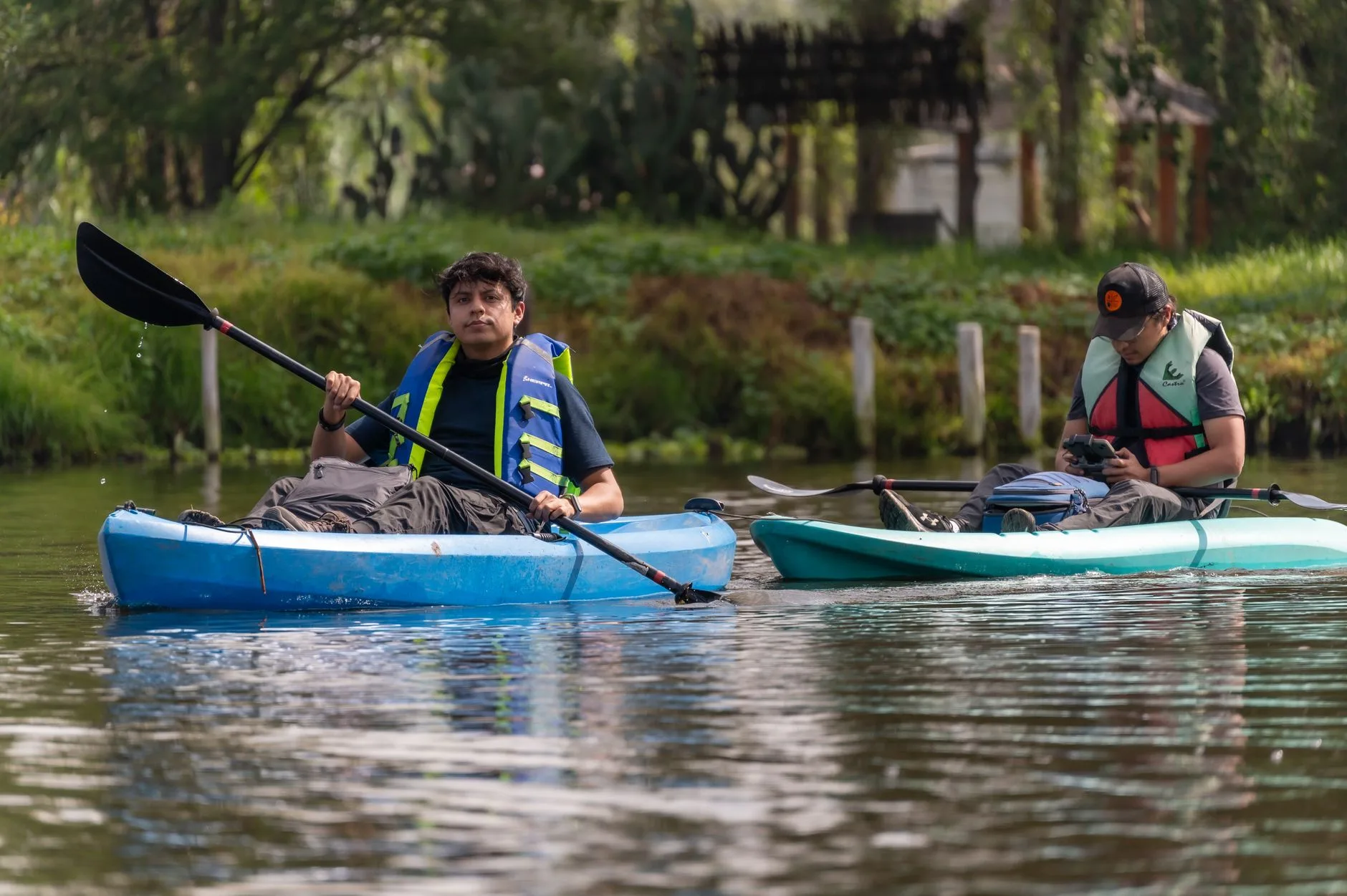
While both types of kayaking use a paddle and a closed or open cockpit, everything from boat design to the clothing you wear is dictated by your environment. Here’s a look at the most practical differences UK paddlers notice:
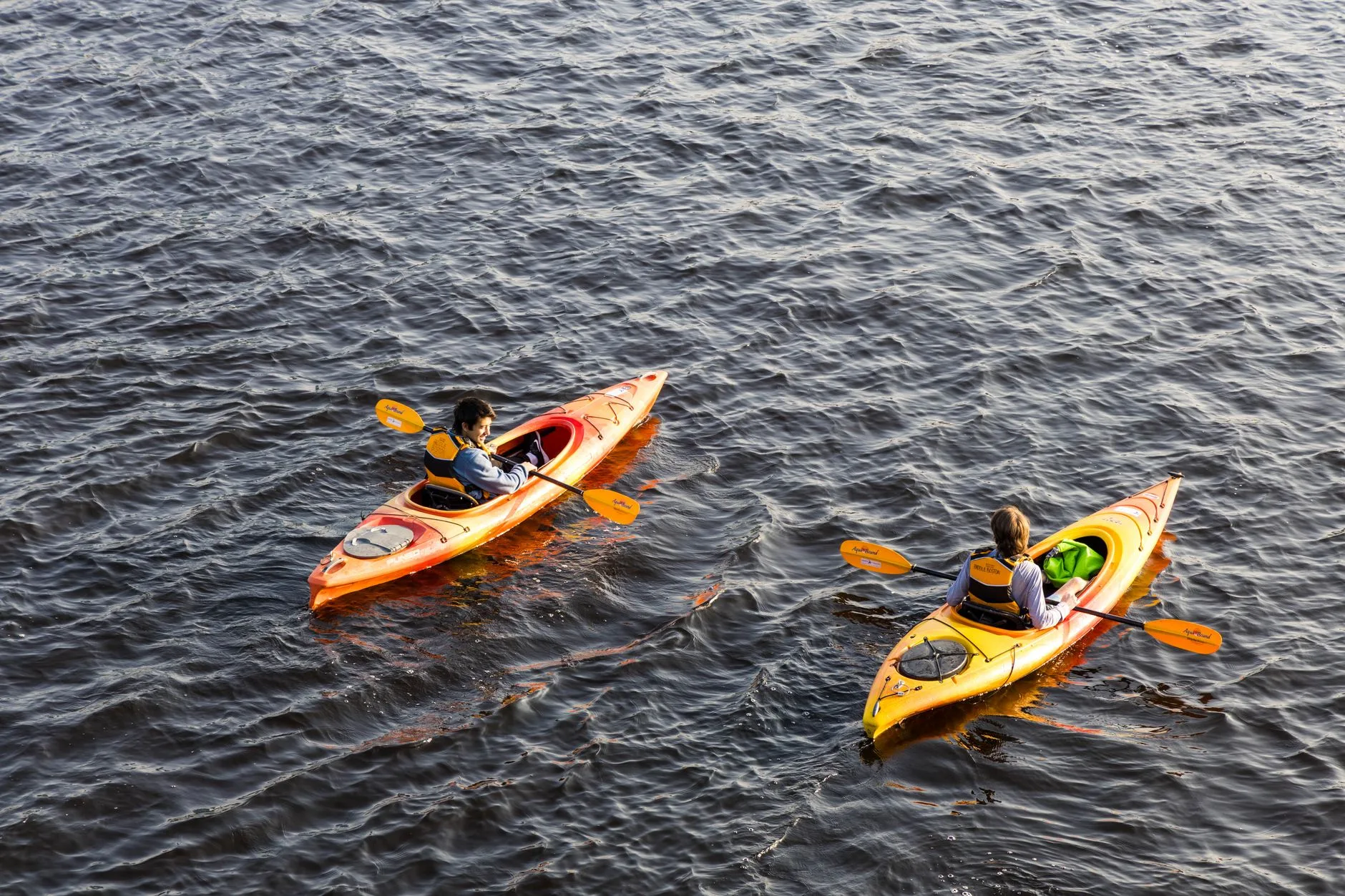
- Boat Length & Shape: Sea kayaks are longer (usually 4.5–5.5m) for better tracking, while river kayaks are shorter (2–3m) for agility.
- Navigation: Sea kayakers rely heavily on charts and tide tables; river kayakers focus more on reading water and obstacles.
- Safety Gear: Both require buoyancy aids, but sea kayaking often calls for extra kit like flares, VHF radios, and spray decks.
- Skills: Sea kayaking demands planning for wind, tide and distance. River kayaking puts more emphasis on quick reactions and reading currents.
- Rescue: Self-rescue and group rescues are essential at sea; rivers may allow for easier access to the bank but present their own set of challenges.
These differences mean that swapping environments isn’t simply a matter of picking up a new kayak – a fresh set of skills and safety measures is required.
Boat Shape, Stability and Tracking
Boat design is one of the most striking differences in sea kayaking vs river kayaking. Each type of kayak is built to perform best in its intended environment, affecting how stable, fast and manoeuvrable it feels to paddle.
Sea Kayak Design
Sea kayaks are typically longer and narrower, with pointed bows and sterns. This design helps them track straight over long distances, cope with waves, and maintain speed. They often have bulkheads and hatches for storing safety kit and expedition gear, and skegs or rudders for directional control in wind and tide.
The hull is usually designed for secondary stability – meaning they feel stable when tipped on edge, useful for edging and bracing in choppy conditions. Beginners may find them initially less stable, but this quickly improves with practice.
River Kayak Design
River kayaks, especially those for white water, are shorter and have rounded hulls. This makes them highly manoeuvrable, able to spin quickly and punch through rapids. They provide primary stability (feeling stable when flat) – important for quick reactions in unpredictable water.
Some river kayaks are designed for specific types of river paddling, such as playboats for tricks, or creek boats for steep descents. Storage is minimal, as trips are often shorter and kit is kept to essentials.
Tracking and Turning
Sea kayaks’ length means they track well but take more effort to turn. River kayaks can pivot almost on the spot, vital for dodging rocks and navigating tight bends. For those switching between disciplines, adjusting your expectations of stability, speed and manoeuvrability is key.
If you’re interested in how paddle choice can affect handling, see Kayak Paddle Blade Shapes: High-Angle vs Low-Angle.
Skills and Conditions You Need to Read
The skills you need for sea kayaking vs river kayaking reflect the different environments and hazards you’ll encounter. While some basics cross over, each discipline demands unique abilities.
River Kayaking Skills
River paddlers must be adept at reading water – spotting eddies, boils, standing waves, and identifying safe lines down rapids. Quick, precise paddle strokes and rapid decision-making are essential. Practising techniques like ferry gliding and eddy turns is important, and knowing how to perform a wet exit and self-rescue is vital.
White water river paddling introduces the need for rolling, bracing, and sometimes swimming safely in moving water. Club training and British Canoeing courses can help you build these skills in a controlled environment.
Sea Kayaking Skills
Sea kayaking requires navigation skills, understanding tides and wind, and the ability to launch and land through surf. Paddlers must be comfortable with longer distances, exposed conditions, and self-rescue techniques such as the assisted or solo re-entry.
Group awareness and communication become crucial at sea, as does planning for contingencies if weather or sea state changes. For detailed technique breakdowns, see Kayak Strokes Explained: Forward, Reverse, Sweep & Draw.
Environmental Awareness
Sea kayakers must monitor weather forecasts and tide tables closely. River kayakers need to be aware of recent rainfall and river levels, which can alter the character of a river in hours. Both disciplines reward a cautious approach and respect for changing conditions.
Safety Kit and Clothing Differences
Safety equipment is a non-negotiable aspect of kayaking, but what you need can vary considerably between sea and river environments.
River Kayaking Safety Kit
Essential river kayaking gear includes a helmet, buoyancy aid, spray deck, throwline, and sometimes knee pads or elbow pads for white water. Clothing typically consists of a wetsuit or dry trousers and cag, depending on temperature and water conditions. Footwear with good grip is important for walking on slippery banks.
Carrying a knife, whistle and a small first aid kit is good practice. For club trips, group safety items like extra throwlines and a group shelter are often carried.
Sea Kayaking Safety Kit
Sea kayakers need a buoyancy aid, spray deck, wetsuit or drysuit, and helmet for rocky landings or surf. However, open water means additional kit: a waterproof VHF radio, flares, towline, spare paddle, and a compass or GPS.
Exposure to cold, wind and sun is a real risk at sea, so layered clothing and sun protection are essential. Dry bags for spare clothing, food and emergency supplies are standard. The RNLI provides an excellent guide to kayaking and canoeing safety.
Why Kit Matters
The consequences of equipment failure or poor clothing choices can be more severe at sea, due to the exposure and distance from help. On rivers, the main risks are hitting rocks, entrapment, and cold water shock. The right gear gives you more control and flexibility to deal with mishaps in both environments.
Navigation, Weather and Tide Planning
Navigation and weather planning play a huge role in sea kayaking vs river kayaking, especially in the UK where conditions can change rapidly.
River Navigation and Hazards
On rivers, navigation is often visual and immediate – looking ahead for hazards, spotting safe eddies, and following the river’s path. UK rivers can be affected by weirs, low bridges and locks, so planning involves checking maps and access points. Flooded or low rivers can create serious risks.
Sea Kayak Navigation
At sea, navigation is more strategic. You’ll need to plot courses using charts, taking account of tidal streams, wind direction and potential landing sites. Tide planning is essential – a missed tide window can mean hours of waiting or paddling against a strong current.
Sea kayakers must also check marine forecasts and be aware of offshore winds, which can sweep paddlers away from land. The Met Office provides up-to-date UK weather warnings.
Tools and Training
A compass and waterproof map are standard for sea kayakers, and GPS devices can offer backup. On rivers, a map and knowledge of local hazards are more important than electronics, though a phone in a waterproof case is a good backup.
Training in navigation and weather interpretation is highly recommended before venturing far from shore or into complex river systems.
Where Beginners Should Start
Choosing between sea kayaking and river kayaking as a beginner depends on your local waterways, access to training, and personal ambitions. Most UK paddlers start on sheltered rivers or lakes, gaining confidence before progressing to more challenging waters.
River Kayaking for Beginners
Flat, slow-moving rivers or calm canals are ideal for learning the basics of kayak control, paddle strokes, and self-rescue. Many UK clubs and centres offer beginner courses, where you can build skills in a supportive group. Once you’re comfortable, you can progress to gentle moving water and eventually to white water if you wish.
Sea Kayaking for Beginners
Sea kayaking is best started under the guidance of an experienced paddler or instructor. Sheltered bays and estuaries offer an introduction to tides and wind without the exposure of open coast. Joining a club or taking a British Canoeing sea kayaking course will help you build essential skills safely.
Building Confidence
Whichever discipline you choose, starting with professional instruction and gradual progression is key. Don’t be tempted to try exposed sea or white water environments alone, even if you have some experience – the risks are real and can catch out even the most prepared.
Buying or Hiring: What to Choose First
Investing in equipment is a big step, and the differences between sea kayaking vs river kayaking mean you can’t always use the same kayak for both. It’s wise to try before you buy, and hiring is often the best route for newcomers.
Hiring Kayaks
Hiring allows you to try a variety of boats, paddle different environments, and see what suits your style. Many UK clubs and outdoor centres offer hire fleets with both sea and river kayaks. This is especially useful if you’re undecided or want to try both before committing.
Buying Your First Kayak
If you’re ready to buy, choose a kayak that matches the environment you’ll paddle most often. Versatile touring kayaks can handle some gentle sea conditions and slow rivers, but specialist river or sea kayaks perform best in their intended settings. For those considering inflatables, see Sevylor vs Intex vs Advanced Elements: Best Inflatable Kayak Brand?.
Accessories and Upgrades
Whatever you choose, budget for a good paddle, buoyancy aid, and suitable clothing. It’s better to invest in safety and comfort up front, rather than upgrading later after avoidable mishaps.
Common Mistakes When Switching Environments
Many experienced river paddlers are tempted to try the sea, and vice versa. While the core paddling skills are transferable, switching environments introduces new risks and learning curves.
Underestimating Conditions
One of the most common errors is underestimating the impact of wind, waves or tides at sea, or the speed and force of moving water on rivers. Experienced river paddlers may find themselves caught out by the exposure and navigation demands of open water. Sea kayakers can be surprised by how quickly river features like weirs or rapids appear, and how much precision is needed to avoid hazards.
Inadequate Equipment
Using the wrong kayak or safety kit is another pitfall. Sea kayaks are not designed for manoeuvring in tight, rocky rapids, and river kayaks lack the storage and tracking needed for long sea journeys. Make sure your clothing, buoyancy aid and other kit matches the environment.
Relying Too Much on Familiar Skills
While a solid forward stroke and good bracing help everywhere, don’t assume river skills prepare you for tidal navigation or surf landings. Take the time to learn environment-specific skills, and seek advice or training from experienced paddlers or qualified instructors.
Frequently Asked Questions
1. Can I use a river kayak on the sea or vice versa?
It’s not recommended. River kayaks are designed for agility, not for tracking or stability in waves and wind. Sea kayaks are longer and less manoeuvrable, making them unsuitable for narrow, rocky rivers. Always use equipment designed for the environment you’re paddling in.
2. What are the main safety risks for beginners in each environment?
For river kayaking, hazards include capsizing, entrapment, and cold water shock. Sea kayaking risks include sudden weather changes, tides, wind, and distance from help. Wearing proper kit and learning safety procedures reduces your risk in both settings.
3. Do I need a licence for kayaking in the UK?
On many UK rivers and canals, you need a licence, which is often included with British Canoeing membership. No licence is required for most sea kayaking, but always check local regulations.
4. What is the best way to learn sea or river kayaking?
Join a club or take a course with qualified instructors. This provides structured learning, safety support, and the chance to try different kayaks and kit before buying your own.
5. How do I check if the weather or river conditions are safe?
Use the Met Office UK weather warnings for sea and local river level gauges for river kayaking. When in doubt, postpone your trip or seek local advice.
6. Can I kayak alone as a beginner?
It’s safest to paddle with others, especially when learning. Solo trips should only be attempted once you have the experience, skills and safety equipment to deal with emergencies on your own.