Your seven-year-old tried paddleboarding on holiday, fell off twelve times, got back on thirteen, and now won’t stop asking for their own board. Before you buy the first thing that pops up on Amazon, know this: a child on an adult board is like a toddler wearing dad’s wellies. They’ll manage, but they’ll struggle, and they’ll probably give up before they should.
Kids’ paddleboards exist for good reason. They’re shorter, narrower, lighter, and designed for smaller bodies with less strength and balance. A properly sized board lets a child stand confidently, paddle with control, and actually enjoy the experience rather than fighting the equipment. We bought our nephew an adult board first — he hated it. Swapped it for a kids’ board and he was standing within ten minutes.
In This Article
- Why Kids Need Their Own Board
- Sizing by Age and Weight
- Inflatable vs Hard Board for Kids
- Best Kids’ Paddleboards: Our Picks
- What to Look For When Buying
- Paddles, Leashes and PFDs
- Safety on the Water
- Where to Paddle with Kids in the UK
- Teaching Your Child to Paddleboard
- When Can a Child Use an Adult Board?
- Frequently Asked Questions
Why Kids Need Their Own Board
The Weight Problem
An adult all-round SUP weighs 8-12kg. A 6-year-old weighs about 20kg. Asking them to carry, manoeuvre, and balance on a board that’s half their body weight is unreasonable. Kids’ boards weigh 5-7kg — manageable for small arms and shoulders.
The Size Problem
Adult boards are typically 10-11ft long and 32-34 inches wide. That’s too long for a child to turn, too wide for their narrow stance, and too much volume for their light body weight. The board sits high in the water and catches wind like a sail, dragging them sideways.
Kids’ boards run 7-9ft long and 24-29 inches wide. The reduced dimensions mean less effort to paddle, easier turning, and a lower centre of gravity. The board sits properly in the water instead of floating on top like a cork.
The Confidence Factor
Children give up quickly when something feels impossible. An oversized board that wobbles, drifts, and won’t turn makes paddleboarding feel impossible. A right-sized board makes it feel achievable — and achievable keeps them coming back.
Sizing by Age and Weight
Under 5 (Under 20kg)
Too young for their own board in most cases. Ride on the front of a parent’s board instead — most adult SUPs handle the combined weight fine. A stable all-round board (32″+ wide) with a deck pad long enough for both of you works best.
Ages 5-8 (20-35kg)
- Board length: 7’0″-8’0″
- Width: 24-27 inches
- Volume: 100-150 litres
- These are true kids’ boards — small, light, and easy to control
Ages 8-12 (35-55kg)
- Board length: 8’0″-9’6″
- Width: 27-30 inches
- Volume: 150-220 litres
- Transition boards that bridge the gap between kids’ and adult sizes
Ages 12+ (55kg+)
Most teenagers over 55kg can move to a compact adult board. A 9’6″-10’0″ all-rounder with 28-30 inch width works well. For a full guide to adult board selection, our paddleboard buying guide covers everything from shape to fin setup.
Inflatable vs Hard Board for Kids
Inflatable (iSUP)
The overwhelming favourite for families, and for good reason.
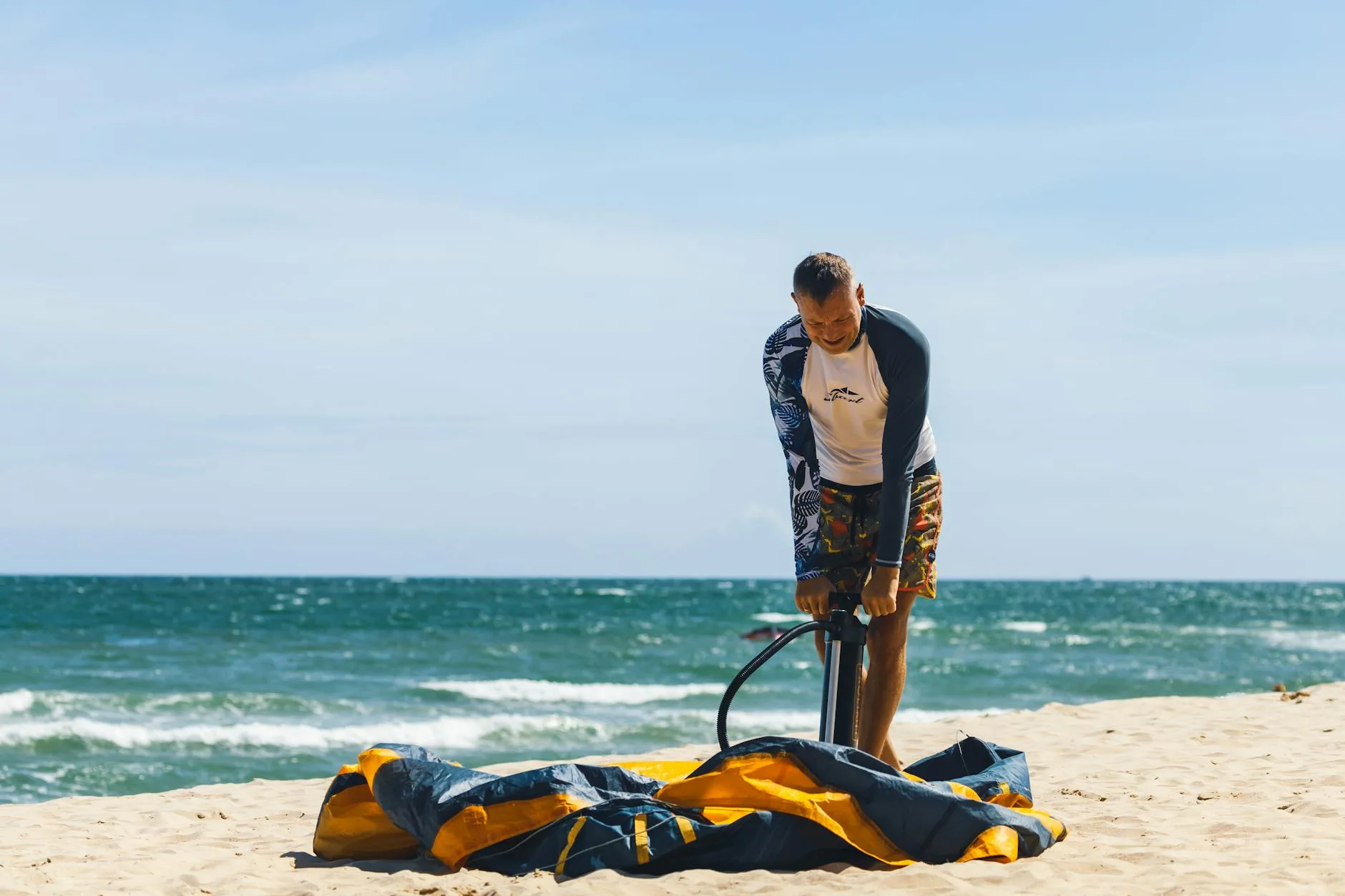
- Storage: Deflates to the size of a large rucksack. Fits in a car boot, cupboard, or garage
- Durability: Military-grade PVC handles drops, bumps, and being dragged across gravel. Kids are rough with gear — inflatables survive
- Transport: Lighter than most hard boards and comes with a backpack for carrying
- Safety: Softer surface. When a child falls on an inflatable, it hurts less than fibreglass
- Cost: £150-350 for a decent kids’ iSUP
Hard Board (Epoxy/Fibreglass)
Rarely the right choice for kids unless they’re serious about the sport or competitive.
- Performance: Faster, more responsive, better glide. Matters for racing or surf SUP
- Fragility: Dings, cracks, and chips from inevitable drops and collisions
- Storage: Full-size storage needed year-round
- Cost: £300-600 for a quality kids’ hard board
Our Recommendation
Buy inflatable. Unless your child is competing, the convenience, durability, and forgiving nature of an iSUP outweigh any performance advantage of a hard board. Every family we know who bought a hard kids’ board eventually wished they’d gone inflatable.
Best Kids’ Paddleboards: Our Picks
Best Overall: Red Paddle Co 8’6″ Ride
About £350-400 from Red Paddle Co or SUP retailers. Red Paddle make the best inflatable boards on the market, and their kids’ range uses the same MSL Fusion construction as the adult boards. The 8’6″ Ride suits ages 6-12 and handles riders up to about 50kg.
The quality difference between Red Paddle and budget brands is noticeable — stiffer, more responsive, and built to last through several children. It’s an investment, but it holds its value for resale when your child outgrows it.
Best Budget: Bluefin Cruise Junior 8’0″
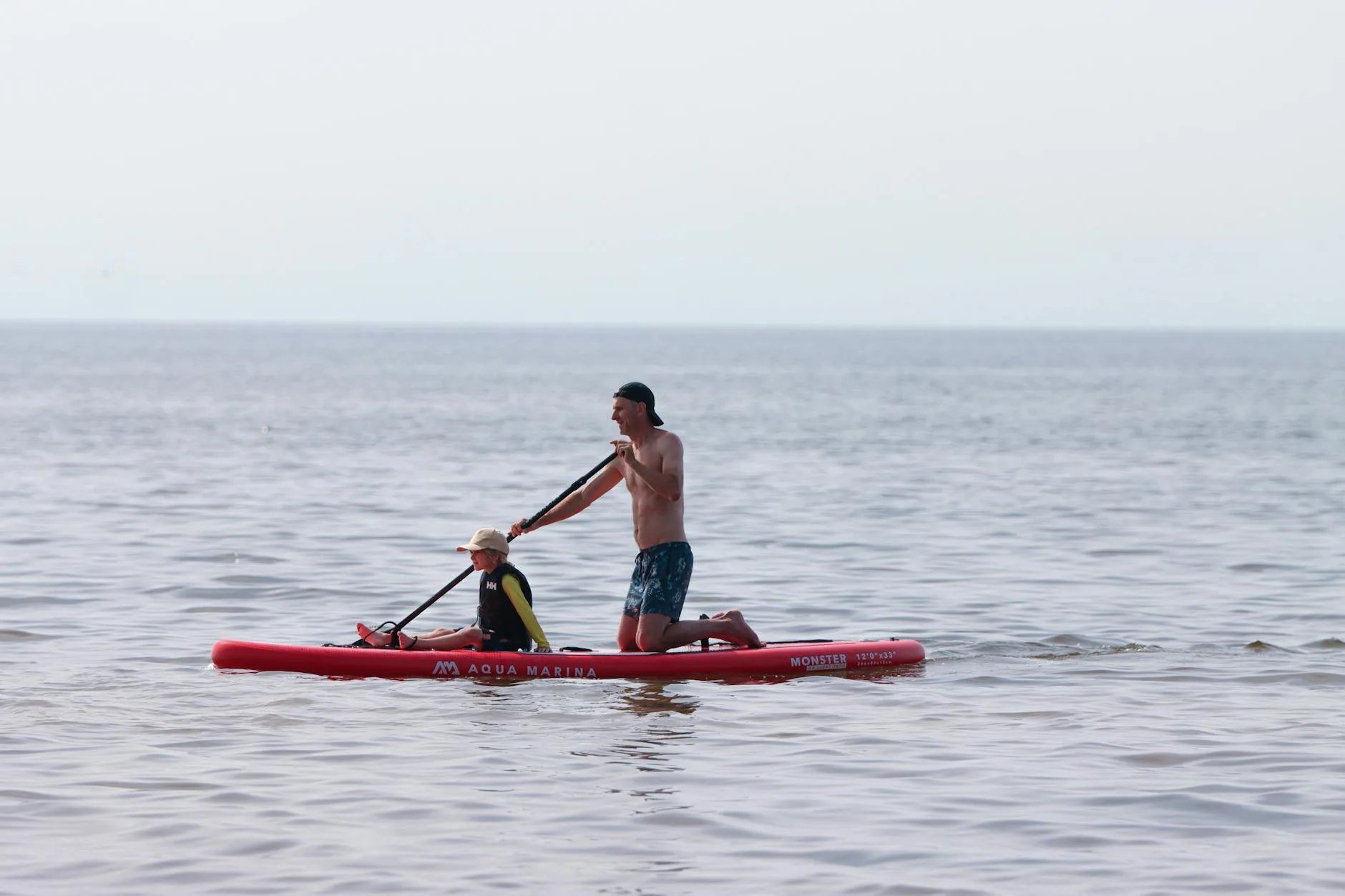
About £200-250 from Bluefin or Amazon UK. A solid mid-range option with good build quality. The 8’0″ length suits ages 5-10, and the board comes with paddle, pump, leash, and backpack. Everything a child needs in one box. For a related angle, see our Best Paddleboard Bags 2026 UK: Carry & Storage guide.
We’ve seen these boards take serious abuse from excited 7-year-olds and hold up well. The deck pad is grippy, the fins are removable (easier for transport), and the pump inflates to a firm 15 PSI without too much effort.
Best for Small Kids: Jobe Yama 8’6″
About £250-300 from Jobe or watersports retailers. Designed specifically for younger paddlers (4-8 years, up to 40kg), the Yama is light, stable, and comes with a smaller paddle that suits tiny hands.
Best for Older Kids: Aqua Marina Vibrant 8’0″
About £180-220 from Amazon UK or SUP retailers. A good value option for kids aged 7-12. Comes with everything included and has a moderate width (28″) that balances stability with paddling efficiency.
What to Look For When Buying
Weight Capacity
Check the board’s maximum rider weight and ensure your child is well under it. A child riding at 80% of the board’s capacity will sit low in the water and feel unstable. Aim for the child to be at 40-60% of the stated max weight.
Thickness
Kids’ inflatables are typically 4-5 inches thick (compared to 6 inches for adult boards). This is correct — a thinner board sits lower in the water, which lowers the centre of gravity and improves stability for lighter riders. Don’t buy an adult board thinking the extra thickness helps — it makes things worse.
Deck Pad
A full-length EVA deck pad gives kids grip wherever they stand, sit, or kneel. Some boards only have deck pads in the middle — fine for adults who know where to stand, but kids move around a lot. Full coverage is better.
Fin Setup
A single centre fin is simplest and provides good tracking. Tri-fin setups (one large centre, two small sides) improve tracking in wind but add complexity. For kids, single fin with a tool-free system is easiest.
What’s in the Box
A complete package should include the board, adjustable paddle (cut to the child’s height), pump, leash, repair kit, and carry bag. Avoid boards sold without a paddle — buying separately adds £30-60. Our Inflatable vs Solid Paddleboard: Pros and Cons guide is useful alongside this.
Paddles, Leashes and PFDs
Paddles
Kids need paddles sized to their height — the paddle should reach to about their wrist when they stand next to it with their arm raised. Most kids’ boards come with adjustable paddles, but check the minimum length. An adult paddle shortened to its minimum is often still too long for a small child.
For a deeper dive into paddle selection for children, our kids’ paddle sizing guide covers materials, length, and blade size.
Leashes
A coiled ankle leash keeps the board attached to the child. This is non-negotiable safety equipment. If they fall off (and they will, repeatedly), the board stays within arm’s reach instead of blowing downwind.
- Coiled leashes stay out of the water and don’t drag. About £15-25
- Ankle attachment is standard for flatwater. Waist attachment is used in rivers (never let children paddle rivers without supervision and experience)
Personal Flotation Devices (PFDs)
Children under 12 should wear a PFD when paddleboarding. No exceptions. A buoyancy aid rated to 50N (EN ISO 12402-5) is sufficient for calm water. Make sure it fits snugly — loose PFDs ride up and don’t work properly.
The Canal & River Trust recommends buoyancy aids for all paddlers on inland waterways, and most hire centres require them for children.
Safety on the Water
Rules for Kids
- Always wear a PFD — no negotiation
- Always use a leash — keeps the board accessible after falls
- Stay within sight and calling distance of an adult at all times
- Start on calm, shallow water — waist-deep is ideal for the first few sessions
- Check wind conditions before launching — offshore wind is the biggest danger for young paddlers
- Never paddle in water temperatures below 10°C without a wetsuit
Wind Awareness
Wind is the number one risk for child paddleboarders. A light offshore breeze can push a small, lightweight child on a big surface area (the board) away from shore faster than they can paddle back. Always check the wind direction before launching. If it’s blowing offshore, don’t go out — or find a sheltered spot.
Cold Water
UK waters are cold for most of the year. Even in summer, lake and coastal temperatures range from 12-18°C. A child falling into cold water repeatedly needs a wetsuit — a 3/2mm shorty is sufficient for summer. In spring and autumn, a full 4/3mm wetsuit is essential.
Where to Paddle with Kids in the UK
Lakes
- Windermere, Lake District — sheltered bays at the southern end. Calm in early morning
- Llyn Padarn, Snowdonia — stunning mountain scenery, usually calm
- Rutland Water, East Midlands — large but with sheltered coves
- Bala Lake, North Wales — hire centres and easy access
Canals
Canals are ideal for beginners — flat water, no current (mostly), and easy bank access. The Kennet and Avon, Grand Union, and Llangollen canals are all popular with family paddlers.
Coastal
Stick to sheltered harbours, estuaries, and lagoons rather than open coast. Studland Bay (Dorset), Salcombe estuary (Devon), and Anglesey’s sheltered bays are all family-friendly.
Rivers
Slow, wide rivers work well — the Thames upstream of Henley, the River Cam, and the lower Wye are all manageable for supervised children. Avoid anything with current, weirs, or boat traffic until children are confident paddlers.
Teaching Your Child to Paddleboard
Session 1: On Their Knees
Start kneeling, not standing. Have the child kneel in the centre of the board with the paddle across the board in front of them. Practise paddling from the kneeling position — it’s stable, low risk, and builds confidence.
Session 2: Standing Up
Once they’re comfortable kneeling, teach the stand-up:
- Place hands flat on the board, shoulder width apart
- Step one foot forward to where the knees were
- Step the other foot forward
- Stand up slowly, keeping knees bent and eyes looking forward (not down at feet)
The key coaching point: look at the horizon, not the board. Looking down shifts the centre of gravity and causes wobbling.
Session 3: Turning and Stopping
Teach the sweep stroke (paddle in a wide arc from nose to tail) for turning, and the reverse paddle for braking. Both are intuitive for kids and give them control.
The Golden Rule
Make it fun first. Games, races, challenges (“paddle to that tree and back”), and swimming breaks keep kids engaged. Technique can wait — enjoyment can’t.
When Can a Child Use an Adult Board?
The Signs
- Weight over 45-50kg — the board will sit properly in the water
- Height over 150cm — they can handle a full-length paddle
- Confident on their own board — can stand, paddle, turn, and fall without panicking
- Strong enough to carry the board — if they can’t get it to the water independently, it’s too big
The Transition
A compact all-round adult board (9’6″-10’0″, 30″ wide) is the best first adult board. Avoid touring boards (too long and narrow) and surf SUPs (too unstable) until they’ve built more experience.
For first-time adult board selection, our SUP beginners guide covers the full decision process.
Frequently Asked Questions
What age can a child start paddleboarding? Children as young as 4-5 can ride on the front of a parent’s board. Most children can paddle their own sized board from about age 6-7, depending on confidence and swimming ability. They must be able to swim at least 25 metres unaided before paddling independently.
Do kids need a wetsuit for paddleboarding in the UK? In summer (June-August), a rash vest and board shorts are fine in warm weather if the water is above 15°C. From September to May, a wetsuit is essential — even in sunny weather, UK water temperatures can cause cold shock. A 3/2mm shorty for summer and a 4/3mm full suit for spring and autumn.
How much should I spend on a kids’ paddleboard? Budget £150-250 for a decent inflatable kids’ SUP that includes paddle, pump, and leash. Below £150, quality drops noticeably. Premium boards from Red Paddle Co cost £350-400 but last longer and hold resale value. Don’t spend £500+ on a hard board unless your child is competing.
Can two kids share a paddleboard? Two small children (combined weight under the board’s max capacity) can share a larger kids’ board or a compact adult board. One kneels at the front, the other stands and paddles. It’s fun but chaotic — expect lots of falling in.
Should kids use a full-size or junior paddle? A junior paddle or an adjustable paddle shortened to the right length. The paddle should reach the child’s wrist when they stand with one arm raised above their head. An adult paddle — even at its shortest setting — is usually too long and too heavy for children under 10.