A travel SUP paddle needs to fit three things: your height, your board bag and the kind of paddling you do. The Aqua Marina Pastel Navy is the most balanced upgrade here if its 180–220 cm range fits you: it is a three-piece, 900 g fibreglass/carbon hybrid, not a full-carbon paddle. For a simpler shared or spare paddle, start with the Aqua Marina Sports III. Measure your bag before ordering any of them; “three-piece” does not guarantee every paddle packs to the same length.
These are stand-up paddles sold separately, not complete boards or kayak-paddle kits. Check what is included if you are replacing a paddle from a board package.
Our top four picks

Aqua Marina Pastel Navy
Best balanced travel upgrade
A 900 g paddle with a hybrid shaft, 180–220 cm adjustment and three-piece packing.

Aqua Marina Sports III
Best simple aluminium option
175–220 cm adjustment and a durable three-piece design for shared recreational use.

Aquaplanet 3-Piece Adjustable Paddle
Best simple UK travel choice
A 910 g alloy-and-nylon paddle that separates into three sections.

Thurso Surf Carbon-Shaft 3-Piece Paddle
Best carbon-shaft alternative
Carbon-fibre shaft with a composite blade; dismantles into three sections.
In this guide
- Four paddles compared
- Four paddles in detail
- How to choose the right length and fit
- Material and blade trade-offs
- Packing, care and water safety
- The bottom line
- Frequently Asked Questions
Four paddles compared
| Paddle | Construction | Best fit | Check before buying |
|---|---|---|---|
| Aqua Marina Pastel Navy | 30% carbon / 70% fibreglass shaft; 900 g | Regular travel and all-round paddling | 180 cm minimum length |
| Aqua Marina Sports III | Aluminium shaft; 1,000 g | A practical shared or spare paddle | Weight and packed fit |
| Aquaplanet 3-Piece | Alloy/nylon; listed at 910 g | Compact UK travel setup | Confirm adjustment range |
| Thurso Surf Carbon-Shaft | Carbon shaft; composite blade | Carbon-shaft upgrade | Confirm exact version and range |
The lightest number here does not decide the purchase by itself. A paddle with the wrong minimum length or an awkward grip is a poor buy even if its shaft is lighter. The Aqua Marina figures come from the maker’s 2026 paddle specifications; check the exact model code when comparing another colour or package.
Four paddles in detail
Aqua Marina Pastel Navy — A sensible step up from a basic kit paddle
Aqua Marina describes the Navy Pastel as a 30% carbon/70% fibreglass shaft with a reinforced composite blade, 900 g weight and 180–220 cm adjustment. That is the useful middle ground for someone who packs a paddle frequently and wants less weight than the Sports III without pretending it is a race paddle.
Check first: The 180 cm minimum is the important limitation. Check your target paddle length before buying; the colour-specific Navy variant matters because other Pastel listings may be packaged differently.
Aqua Marina Sports III — A robust starting point for shared use
The Sports III has a three-piece aluminium shaft, 175–220 cm adjustment and a maker-listed 1,000 g weight. The lower minimum gives it a little more fitting latitude than the Pastel, and the material makes sense for a spare paddle or family kit where careful transport is not guaranteed.
Check first: Aluminium is heavier than the hybrid or carbon-shaft alternatives. If you paddle for long sessions, compare both weight and blade shape instead of buying on low cost alone.
Aquaplanet 3-Piece Adjustable Paddle — A no-fuss three-piece travel paddle
Aquaplanet describes its adjustable three-piece paddle as an alloy-and-nylon design; this version is specified at 910 g. It is an alternative to the Sports III if you want a compact paddle without paying for carbon content.
Check first: Do not assume the adjustment range or collapsed section length from another Aquaplanet model. Ask for those dimensions if your board bag or paddler height is close to the limit.
Thurso Surf Carbon-Shaft 3-Piece Paddle — For a carbon shaft, not a full-carbon blade
Thurso describes a three-piece paddle with a carbon-fibre shaft and carbon-nylon composite blade. This is a more performance-oriented construction than a basic aluminium shaft while retaining a blade that is not all carbon. The three-piece format makes it easier to pack than a fixed shaft.
Check first: Model years and bundles can differ. Confirm the exact blade, minimum/maximum length and replacement-part compatibility for the linked version before paying for the upgrade.
How to choose the right length and fit
Set length for your stroke, then check the product range
Stand the blade on the ground and use a beginner length as a starting point, then adjust on the water for your board and stroke. An overly long paddle can encourage raised shoulders; too short can make you bend and shorten the reach. Our SUP paddle length guide explains the setup in more detail. If your target sits below 180 cm, the Pastel Navy cannot be shortened enough according to Aqua Marina’s specification; consider the Sports III’s 175 cm minimum or seek a properly sized alternative.
Measure every section before a flight or small-car trip
A three-piece paddle is easier to stow than a one-piece shaft, but the longest dismantled section still has to fit your bag. Compare its measured packed length with the usable internal length of your own case, not the bag’s outside dimensions. Protect the blade from hard luggage and keep the joint ends from rubbing against grit. Our SUP paddle-bag guide covers that part of the kit. Airline size and sporting-equipment rules vary, so check your carrier rather than assuming a three-piece paddle is automatically accepted.
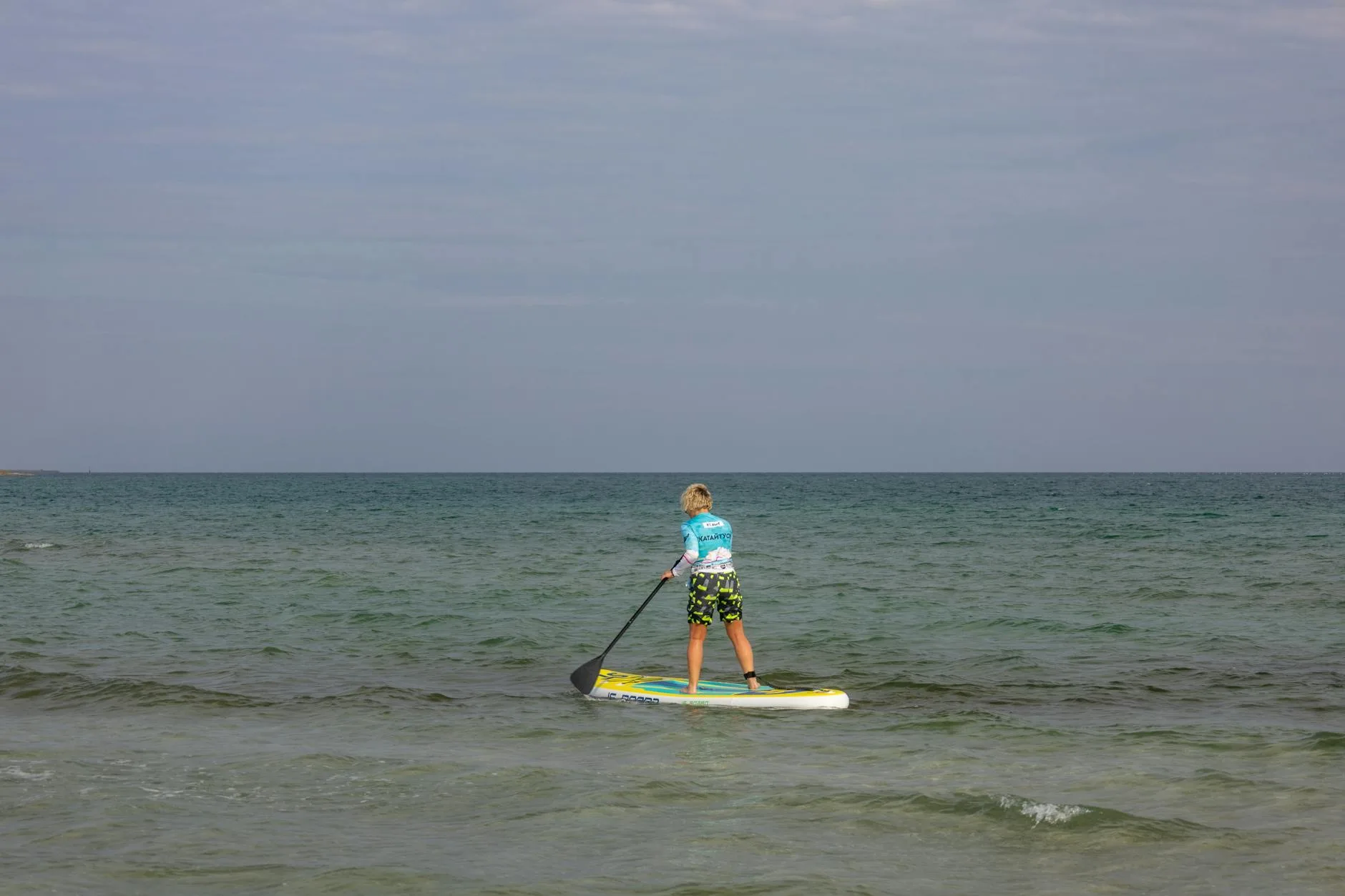
Material and blade trade-offs
What the shaft material changes
Aluminium is a serviceable budget and spare-paddle material, but mass in the shaft is noticeable over repeated strokes. Fibreglass/carbon blends can reduce weight without requiring a fully carbon blade. A carbon shaft may feel more responsive, yet its composition alone does not prove the whole paddle is lighter or better suited to your stroke. Compare the listed whole-paddle weight, not just the word “carbon” in the name. Our paddle-materials comparison explains the trade-offs.
Blade size and handling matter too
A larger blade loads the shoulders and can suit a stronger, lower-cadence stroke; a smaller blade can be easier to sustain on longer outings. None of the four products is a universal winner for every paddler. If your technique is still developing, the beginner SUP stroke guide is likely to make a bigger difference than a small change in shaft material. Check that the blade and handle align cleanly each time you assemble the paddle.
Packing, care and water safety
Keep the joints clean
After paddling, rinse the shaft sections and blade in fresh water, especially after salt or silty water. Separate the sections to dry before storage; grit in a joint can make it difficult to assemble or can abrade the fit. Do not force a stuck clamp or section. Follow the maker’s instructions for its locking mechanism and any recommended lubrication.
Choose the trip before the paddle
The paddle is only one part of a safe outing. The RNLI recommends checking weather and wind, using a suitable buoyancy aid and leash, and carrying a means of calling for help. On moving water, leash choice needs particular care; see Paddle UK’s leash advice. Check the forecast and tides with our paddling weather guide before setting out. Pack a spare paddle if a remote trip would leave you unable to return after a breakage.
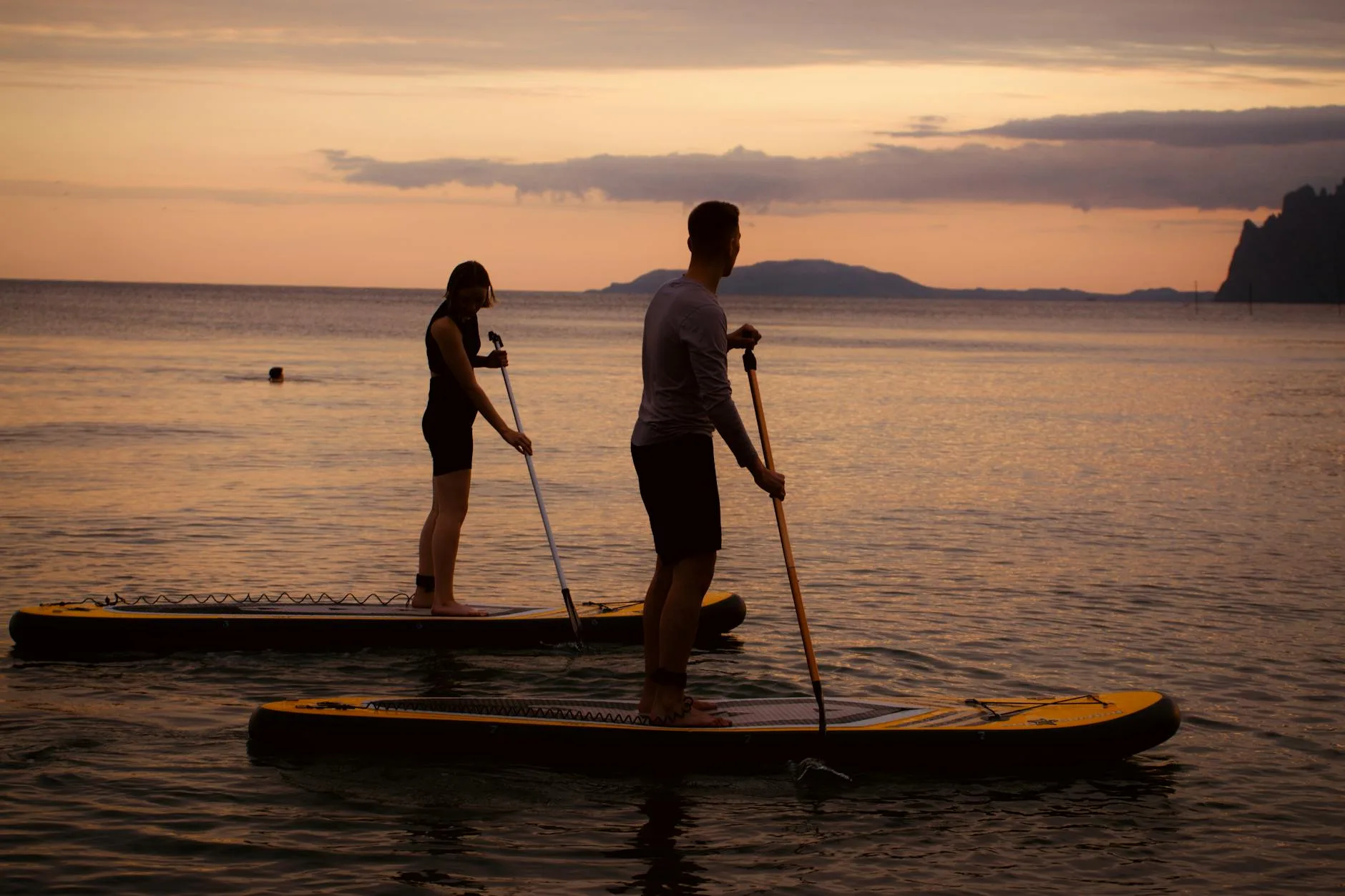
The bottom line
Buy the Aqua Marina Pastel Navy if its 180–220 cm range fits you and you want a lighter hybrid-shaft paddle for regular travel. The Sports III is the simpler aluminium choice, especially where a 175 cm minimum helps. The Aquaplanet is a practical compact alternative once you confirm its exact length range. Choose the Thurso Surf when a carbon shaft is the point of the upgrade and you have checked the linked version. The most common buying mistake is choosing a material label before checking fit and packed dimensions.
Frequently Asked Questions
Which three-piece SUP paddle is the best all-round travel choice? The Aqua Marina Pastel Navy is the balanced choice here if its 180–220 cm range fits you. The whole paddle weighs 900 g, less than the Sports III, and its three sections suit board-bag travel.
How do I know whether an adjustable SUP paddle is long enough? Work out your target paddling length, then compare it with the exact model’s adjustment range. Check the minimum as carefully as the maximum, especially for shorter paddlers or a board shared by family members.
Will every three-piece paddle fit inside a paddleboard bag? No. The longest dismantled section and blade width vary. Measure the usable interior of your bag and compare it with the seller’s packed dimensions before ordering.
Is a carbon-shaft paddle the same as a full-carbon paddle? No. A carbon shaft may be paired with a nylon or composite blade. The Aqua Marina Pastel has a 30% carbon/70% fibreglass shaft, while the Thurso has a carbon shaft and composite blade; neither should be described as wholly carbon.
How should I care for the joints after salt-water paddling? Rinse the sections in fresh water, separate them, and let them dry before storage. Remove sand gently rather than forcing a stuck joint or clamp.
Can I use a three-piece SUP paddle for kayaking? Not as a double-bladed kayak paddle unless the exact model has a compatible conversion blade and the necessary sections. None of these linked standard stand-up paddle packages should be assumed to include that kit.