The Sea to Summit Big River 13L is the best waterproof dry bag for most UK kayakers and paddleboarders. Its 420D nylon construction, tape-sealed seams, secure roll-top and multiple lash points give it the right balance of durability, low weight and easy attachment. Choose a backpack if you carry kit any distance to the water, or a deck bag when quick access matters more than a simple sealed tube.
No flexible bag makes electronics risk-free. Match the protection rating to the likely exposure, close roll-tops correctly, secure the bag to the craft and use a separate rated phone case for anything you need to reach on the water. The six recommendations below cover those different jobs rather than pretending one bag is ideal for every trip.
In This Article
- Our direct answer
- Comparison table
- Six waterproof bag reviews
- How to choose
- Dry-bag size guide
- Closures and ratings
- Packing and securing
- Final verdict
- Frequently asked questions
Best Waterproof Bags: Our Direct Answer
Buy the Sea to Summit Big River 13L if you want one dependable roll-top for clothing, lunch and small essentials. It is tougher than an ultralight packing sack without becoming a heavy PVC tube, and the lash points are useful on a kayak or SUP. Its 13-litre capacity is also easier to stow than one oversized bag.
- Best overall: Sea to Summit Big River 13L for durable, lashable everyday storage.
- Best value: Earth Pak 10L for a robust PVC bag with a separate phone case.
- Best classic dry tube: OverBoard 12L for simple welded construction and shoulder carry.
- Best backpack: OverBoard Classic 20L for walking kit to the launch.
- Best deck bag: OverBoard Kayak & SUP Deck Bag for secured, accessible deck storage.
- Best for a phone: Aquapac Waterproof Phone Case for a device you need to use afloat.
Best Waterproof Bags at a Glance
Capacity describes the listed product variant, not usable space after the top has been rolled enough times to close it. Waterproof ratings are not interchangeable with a promise that every closure can be left underwater, so follow the maker’s instructions and test a new bag with paper before trusting it with electronics.
| Product | Best for | Capacity | Construction / rating | Useful detail |
|---|---|---|---|---|
| Sea to Summit Big River 13L | Best overall | 13L | 420D nylon / TPU | 192g |
| Earth Pak 10L | Best value | 10L | 500D PVC | Shoulder strap |
| OverBoard Dry Tube 12L | Best classic dry tube | 12L | Welded construction | Shoulder strap |
| OverBoard Classic Backpack 20L | Best backpack | 20L | IP66 roll-top | Padded straps |
| OverBoard Kayak & SUP Deck Bag | Best deck bag | 20L | IP66 deck bag | Six side connectors |
| Aquapac Waterproof Phone Case | Best for a phone | Large | IPX8 / IP68 | Lanyard |
Our Six Waterproof Bag Recommendations
1. Sea to Summit Big River 13L — Best Overall

The Big River earns the overall recommendation because it combines abrasion-resistant 420D nylon laminated with TPU, reinforced tape-sealed seams and practical lash points. At a listed 192g, it is easier to carry and stow than a thick PVC backpack, yet it is built for paddlesports rather than merely organising clothes inside a rucksack.
Thirteen litres suits a spare layer, lunch, small towel and valuables for a day paddle. The low-profile handles and lash points make sense on a crowded deck, where a loose shoulder strap or oversized cylinder can snag. The black colour is less visible than a bright rescue-oriented bag, so attach it securely rather than relying on finding it after a swim.
Main compromise: there are no backpack straps and 13 litres is too small for a full family change of clothes. Buy it if: you want the strongest all-round blend of low weight, durable fabric and attachment options.
2. Earth Pak 10L — Best Value

Earth Pak is the value pick because the 10-litre version uses welded 500D PVC, includes a shoulder strap and comes with a separate waterproof phone case. It is a sensible first setup for short recreational trips when one person needs room for a layer, keys, snacks and a compact towel.
The thicker PVC construction feels more substantial than an ultralight dry sack and is simple to wipe clean. The separate phone pouch is useful because the main roll-top can stay sealed while the phone remains accessible, although the device and case must fit correctly and the closure still needs checking before each outing.
Main compromise: the cylindrical opening and stiff material are less pleasant for repeated packing than a wider backpack. Buy it if: you want an inexpensive, self-contained starter combination rather than the lightest possible bag.
3. OverBoard Dry Tube 12L — Best Classic Dry Tube

The OverBoard Dry Tube keeps the design simple: electronically welded seams, a roll-top closure, a removable shoulder strap and a listed 12-litre capacity. That makes it easy to understand and easy to inspect. There are fewer pockets, zips and panels to complicate the seal.
It works well for a solo paddler’s dry clothing and food, or as one part of a multiple-bag setup. OverBoard classifies the tube as suitable for quick submersion rather than prolonged underwater storage. That distinction matters: clip it to the boat and do not use the floating claim as an excuse to let it drift away.
Main compromise: carrying one round tube on a single strap is less comfortable than a backpack over distance. Buy it if: you prefer uncomplicated welded construction and a familiar roll-top format.
4. OverBoard Classic Backpack 20L — Best Backpack
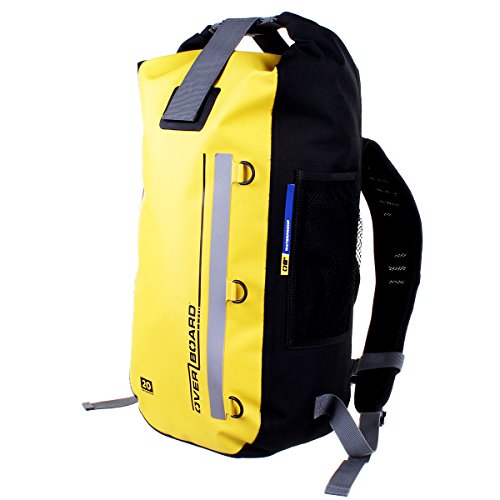
The Classic 20L turns a roll-top dry bag into a practical walk-to-water pack. Padded shoulder straps and lumbar support make it the strongest option here for carrying a change of clothes, food and small safety items from a car park or station to the launch.
Its IP66-listed roll-top construction is aimed at water, dust and dirt protection, and the bright yellow shell is easy to spot. Twenty litres gives useful day-trip capacity without the temptation to load a huge rucksack that becomes awkward on a SUP. Keep the roll-top clear of bulky contents so it can close properly.
Main compromise: the straps add bulk on the craft and can catch if left loose. Buy it if: the carry to the water is a real part of the trip, not ten steps from boot to launch.
5. OverBoard Kayak & SUP Deck Bag — Best Deck Bag
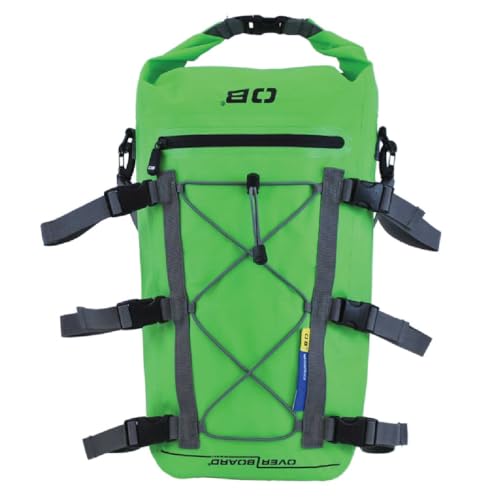
This 20-litre deck bag is shaped around access and attachment. Six side buckle connectors secure it to deck points, while front bungee webbing and an outer zip pocket keep low-risk items within reach. The welded PVC tarpaulin body and IP66 rating are better suited to repeated spray than an ordinary travel bag.
It is the right specialist choice for a sit-on-top kayak or touring SUP where a round tube keeps rolling around or has to be opened from an awkward position. Check your craft has compatible attachment points before ordering. Our separate SUP deck-bag guide covers the layout decision in more detail.
Main compromise: the external pocket is described as weatherproof, so keep irreplaceable valuables inside the main protected compartment or a separate rated case. Buy it if: secure deck access matters more than carrying comfort on land.
6. Aquapac Waterproof Phone Case — Best for a Phone
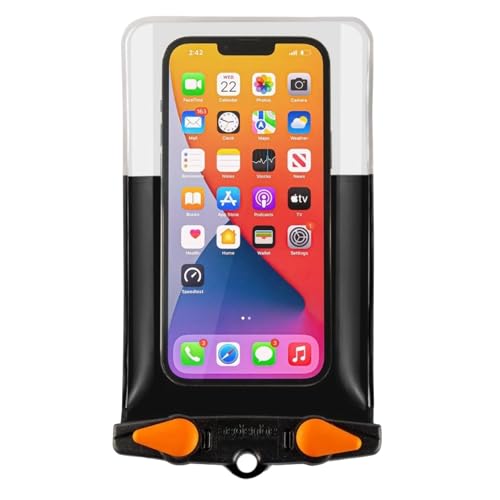
Aquapac is the focused choice for a phone because the large case is listed to IPX8/IP68, uses the brand’s AquaClip closure and allows touchscreen, camera and facial-recognition use through the clear TPU. A lanyard provides a direct connection to you or your buoyancy aid rather than leaving the phone loose on deck.
This complements a dry bag; it does not replace one. Check the phone dimensions, remove a bulky case if the fit is tight, close the clip exactly as instructed and conduct the maker’s recommended test before entering the water. Salt, grit and sunscreen around a closure deserve the same attention as the seal itself.
Main compromise: touchscreens can be harder to operate with wet hands and a lanyard must be routed so it cannot snag. Buy it if: you need your phone available for navigation, photos or emergency communication while paddling.

How to Choose a Dry Bag for Kayaking and SUP
Start with the Consequence of a Leak
A wet sandwich is inconvenient; a failed phone, car key or emergency radio can end the trip. Use separate protection for critical electronics and do not put every essential in one container. The RNLI kayaking and canoeing guidance recommends carrying a means of calling for help and keeping it within reach, which favours a secured phone or radio case over a device buried under spare clothing.
Match the Bag to the Craft
A sea kayak hatch rewards several compact bags that fit through the opening. A sit-on-top or SUP needs secure deck attachment and a bag shape that stays put beneath bungees. A canoe can carry larger packs, but loose luggage still needs securing so a capsize does not scatter equipment downstream.
Choose Fabric for Real Use
TPU-laminated nylon such as the Big River saves weight and packs neatly. PVC tarpaulin is stiffer and heavier but easy to wipe down and common on welded tubes and backpacks. Thin ultralight sacks are excellent inside another pack, yet they are a poor choice for dragging across shingle or exposing directly to deck fittings.
Look Beyond the Waterproof Label
Check the stated rating, closure method, seam construction and intended use. “Waterproof” on a roll-top does not automatically mean safe for prolonged immersion. Ratings also describe a tested condition, not a guarantee after the closure is contaminated, incorrectly rolled or damaged.
What Size Dry Bag Do You Need?
For most day paddles, two or three smaller bags are more useful than one large sack. They fit around hatches and deck fittings, make equipment easier to find and avoid putting the phone, warm layer and lunch behind one point of failure. Our broader dry-bag guide for paddlers covers organisation and closure basics beyond this shortlist.
- 1–3 litres: keys, wallet, compact first-aid items or other small essentials.
- 5–10 litres: phone case, snacks, light layer and small towel for a short solo trip.
- 12–15 litres: a useful day-paddle size for clothing and food.
- 20 litres: a full change of clothes, larger towel or shared day kit.
- 30 litres and above: bulky family kit or touring loads; check hatch and deck dimensions before buying.
Do not fill a roll-top to the lip. The stated volume does not leave the same usable capacity once the top is rolled at least the recommended number of times. Soft layers also trap air, so a nominally large bag can become awkward sooner than expected. If the problem is carrying the deflated board itself rather than keeping kit dry, compare dedicated paddleboard carry and storage bags instead.

Roll-Tops, Zips and Waterproof Ratings
Roll-Tops Are Simple, but Technique Matters
A roll-top removes the vulnerable toothed zip found on an ordinary backpack, but only when the user leaves enough clean fabric to make the required folds. Overpacking, trapping a strap in the opening or rolling against grit can create a path for water. Clip the ends as designed; do not merely fold the top once.
Waterproof Zips Need Care
A proper waterproof zip can give faster access and a flatter opening, but it needs to be fully closed and kept clean. A weather-resistant external pocket is a different thing and should hold only items that can tolerate spray. Read the wording for the exact compartment rather than assuming one rating applies to every pocket.
Understand IP Ratings
An IP code separates protection against solids and water. IP66 indicates strong protection against dust and water jets; IPX8 covers continuous immersion under conditions specified by the manufacturer. The International Electrotechnical Commission’s IP explanation is useful context, but the product instructions remain the practical limit because depth and duration can vary for IPX8.
How to Pack and Secure a Dry Bag
- Inspect the bag: check the base, seams, closure and attachment points before loading.
- Separate critical items: put electronics and keys in their own rated case rather than loose at the bottom.
- Pack soft kit around valuables: clothing cushions small items and keeps hard edges away from the fabric.
- Leave closure space: keep the upper section clear so the top can be rolled as directed.
- Expel excess air carefully: flatten the bag without forcing air through the closure or crushing fragile contents.
- Close and clip: make the specified number of clean, tight rolls, then fasten the buckle.
- Secure it to the craft: use suitable deck points or internal anchors, leaving no long strap loop that can snag.
A dry bag is not a substitute for a buoyancy aid, sensible conditions or a practised recovery. If you paddle a kayak, our guide to re-entering after a capsize explains why kit attachment and keeping the cockpit manageable matter. New paddleboarders should also cover the wider safety and equipment basics in our stand-up paddleboarding beginner guide.
Which Waterproof Bag Should You Buy?
The Sea to Summit Big River 13L is the best choice for most paddlers. It is tough enough for exposed deck use, light enough to carry without resentment and fitted with useful lash points. The Earth Pak 10L is the better value starter kit, while the OverBoard 12L suits anyone who wants a simple welded dry tube.
Choose the OverBoard Classic 20L Backpack when the walk to the water is substantial. Choose the OverBoard deck bag when access and attachment on a kayak or SUP are the priority. Add the Aquapac case when your phone must stay usable rather than disappearing inside the main bag. Whatever you choose, test it, close it correctly and secure it before launch.
Frequently Asked Questions
What size dry bag is best for kayaking?
A 10–15 litre bag is a useful solo day-paddle size. Several smaller bags are often easier to fit into a kayak and safer than putting every essential in one large sack.
Are roll-top dry bags fully waterproof?
They can provide strong protection when correctly closed, but performance depends on the stated rating, seam construction, condition and number of rolls. Not every roll-top is intended for prolonged immersion.
Can I put my phone in a dry bag?
Yes, but a separate rated phone case adds protection and keeps the device accessible. Test the empty case as instructed and confirm the phone fits without stressing the closure.
Should a dry bag be clipped to a kayak or SUP?
Yes. Secure it to a suitable attachment point so it cannot float away, but avoid long loose straps that could snag during a capsize or recovery.
Is one large dry bag better than several small bags?
Usually not for paddling. Smaller bags fit around hatches and deck fittings, organise kit and avoid one closure becoming the single point of failure.
How do I test a new dry bag?
Inspect it, close it exactly as instructed and test with dry paper rather than valuables. Follow the manufacturer’s test method and do not exceed the product’s stated water-protection conditions.