You’ve capsized. You’re upside down in a kayak, underwater, and everything your brain wants to do — flail, gasp, panic — is wrong. A wet exit is the simple skill that gets you out of the cockpit and back to the surface safely. It takes about three seconds when you know what you’re doing. It feels like an eternity the first time.
Every kayaker capsizes eventually. The only question is whether you’ve practised the wet exit enough that it’s automatic when it happens for real, or whether you’re improvising underwater with adrenaline flooding your system. This guide covers the technique step by step, how to practise safely, and the common mistakes that make wet exits harder than they need to be.
In This Article
- What a Wet Exit Is and Why You Need It
- Before You Practise: Essential Setup
- The Wet Exit Technique Step by Step
- Practising in a Pool
- Practising in Open Water
- Common Wet Exit Mistakes
- Spray Deck Release: The Critical First Move
- What to Do After the Wet Exit
- Wet Exits in Different Kayak Types
- When a Wet Exit Goes Wrong
- Building Confidence Underwater
- Frequently Asked Questions
What a Wet Exit Is and Why You Need It
A wet exit is the controlled process of removing yourself from a capsized kayak cockpit while underwater. You lean forward, release the spray deck, push yourself out of the cockpit, and surface beside the upturned boat. The whole thing takes 3-5 seconds when done properly.
Why It Matters
Without a reliable wet exit, capsizing becomes a genuine emergency rather than a minor inconvenience. Panic underwater leads to thrashing, which wastes energy and can cause you to inhale water. A practised wet exit is calm, methodical, and safe — it turns capsizing from a crisis into a recoverable situation.
When You’ll Need It
- Unexpected waves or wake — a boat wake or breaking wave can flip a kayak before you can brace
- Misjudging current — river features, eddies, and currents create forces that catch even experienced paddlers
- Leaning too far — reaching for something, turning to look behind you, or simply losing balance
- Surfing and whitewater — capsizes are frequent and expected in these disciplines
The Royal Yachting Association and British Canoeing both recommend that every kayaker should practise wet exits before paddling in conditions where capsize is possible — which, in UK waters, is essentially always.
Before You Practise: Essential Setup
Wear a Buoyancy Aid
A properly fitted buoyancy aid (PFD) is non-negotiable for wet exit practice. It brings you to the surface without effort, which reduces anxiety and lets you focus on the technique. If your buoyancy aid rides up over your chin when you’re in the water, it’s too loose — tighten the side straps until it sits snugly.
Know Your Spray Deck
Before you capsize deliberately, sit in the kayak on dry land and practise releasing the spray deck. Find the grab loop (the tab at the front of the deck), pull it towards you and upwards, and feel how the deck releases from the cockpit rim. You need to be able to find and pull this grab loop with your eyes closed, because underwater you won’t be able to see it.
Choose Calm, Shallow Water
For your first practice sessions, use a swimming pool (many kayak clubs run pool sessions), a calm lake, or a sheltered section of flat water. The water should be deep enough that you don’t hit your head on the bottom when inverted, but shallow enough that you can stand up if anything goes wrong. Waist-to-chest deep is ideal.
Have Someone Watching
Never practise wet exits alone. A safety buddy — either in the water with you or in another kayak alongside — watches for problems and can assist if you get stuck. This is a safety fundamental, not optional.
The Wet Exit Technique Step by Step
Step 1: Tuck Forward
As you feel yourself capsizing (or as you deliberately tip), lean forward and tuck your body towards the front deck of the kayak. This does three things: it protects your face from underwater obstacles, it positions your body for a clean exit, and it brings your hands close to the spray deck grab loop.
Resist the instinct to lean back. Leaning back arches your spine against the rear deck and makes it harder to push yourself out of the cockpit.
Step 2: Locate and Pull the Grab Loop
With your body tucked forward, find the spray deck grab loop with one or both hands. Pull it firmly towards you and then upward. The deck should pop free from the cockpit rim. You’ll feel the tension release.
This is the most critical step. If the spray deck doesn’t release, you stay trapped. This is why practising the release on dry land first matters — your hands need to find the loop by feel alone.
Step 3: Push Out with Your Hands
Place both hands on the cockpit rim beside your hips. Push down and forward, sliding your hips out of the seat. Your legs will follow — they’re not locked in, just resting against the thigh braces. Push as if you’re getting out of a tight pair of trousers.
Step 4: Slide Free and Surface
Once your hips clear the cockpit, your body’s buoyancy (helped by the PFD) pulls you towards the surface. Let go of the kayak with one hand and reach for the surface. Maintain contact with the kayak using the other hand — you’ll need it when you surface.
Step 5: Surface and Breathe
Your PFD brings you up. Take a breath. Grab the kayak. The whole sequence — tuck, grab, pull, push, surface — should take no more than 5 seconds.
Practising in a Pool
Pool sessions are the best way to build wet exit confidence because the water is warm, calm, clear, and shallow enough to stand in.
The Nose Clip Approach
Many beginners struggle with water going up their nose during the first few capsizes. A nose clip (about £3-5 from any sports shop) eliminates this discomfort and lets you focus on technique rather than sinus pressure. Use one for your first few sessions, then wean off it as you get comfortable.
Building Up Gradually
- Sit in the kayak in the pool without a spray deck. Capsize deliberately. Slide out of the cockpit. Surface. Repeat until this feels routine — no spray deck to worry about, just getting comfortable being upside down in the boat
- Add the spray deck. Capsize, locate the grab loop, pull to release, then slide out. This adds the critical spray deck release step
- Add a delay. Capsize and deliberately wait 3-5 seconds before beginning the exit. This builds tolerance for being underwater and fights the panic response that makes you rush
- Close your eyes. Do the entire sequence with eyes closed. In murky river water, you won’t be able to see anything anyway
How Many Repetitions?
Aim for at least 10 clean wet exits in a pool session before considering yourself competent. You want the sequence to be automatic — something your body does without conscious thought, because in a real capsize your conscious brain will be busy panicking. For a related angle, see our How to Launch and Land a Kayak Safely guide.
Practising in Open Water
Once pool sessions feel routine, move to open water. The differences are real:
Colder Water
UK rivers and lakes are cold. Even in summer, water temperature rarely exceeds 18°C, and in spring and autumn it’s 8-12°C. Cold water triggers an involuntary gasp reflex — your body inhales sharply when submerged in cold water, which is dangerous if your face is underwater. Building up cold water exposure gradually helps your body adapt.
Our guide to weather and tides for paddlers covers water temperature expectations across UK seasons.
Reduced Visibility
Pool water is clear. River water is brown. Lake water is somewhere in between. In open water, you’re doing the wet exit entirely by feel — you can’t see the grab loop, the cockpit rim, or which way is up. This is why the eyes-closed pool practice matters.
Current and Drift
In moving water, you’ll drift downstream during the exit. This is normal. Don’t fight the current — exit the boat, surface, and deal with your position afterwards. Trying to capsize and exit while also fighting current is an unnecessary complication.
Common Wet Exit Mistakes
Leaning Back Instead of Forward
The most common mistake. Leaning back during a capsize traps your body against the rear deck and makes the cockpit feel tighter than it is. Tuck forward. Always forward.
Grabbing the Wrong Thing
In a panic, people grab whatever their hands find first — the coaming (cockpit rim), the paddle, their clothing. Train yourself to reach for the spray deck grab loop first, every time. Nothing else matters until that deck is released.
Trying to Roll Instead of Exit
If you know how to roll, your instinct will be to attempt a roll first. That’s fine — a successful roll keeps you in the boat and is always preferable to a wet exit. But if the roll fails, commit to the wet exit immediately. The worst outcome is three failed roll attempts that exhaust you underwater before you finally bail out. Our Kayak Strokes Explained: Forward, Reverse, Sweep & Draw guide is useful alongside this.
Holding Your Breath Too Long
You don’t need to hold your breath for 30 seconds. A wet exit takes 3-5 seconds. Take a calm breath as you capsize, exit smoothly, and surface. People who try to hold a massive breath tense up, which makes the exit harder.
Forgetting the Paddle
During practice, don’t worry about the paddle — let it float. In real conditions, try to hold the paddle in one hand while exiting with the other, but never prioritise the paddle over a clean exit. Paddles float. You need air.
Spray Deck Release: The Critical First Move
The spray deck is the single point of failure in a wet exit. If you can’t release it, you can’t exit.
Types of Grab Loop
- Toggle loops — a rigid plastic tab that sits on the front of the deck. Easy to grab with cold, gloved hands
- Fabric loops — a fabric strap that lies flat against the deck. Harder to locate by feel, especially with neoprene gloves
- Cord loops — a thin cord that can be difficult to grip when wet
Before paddling, always check that the grab loop is outside the cockpit rim, not tucked inside the spray deck. A grab loop trapped under the deck is invisible and unreachable underwater.
If the Spray Deck Won’t Release
Rarely, a spray deck can stick — usually because it’s new and tight, or because the cockpit rim is irregular. If the grab loop pull doesn’t release the deck:
- Push upwards on the deck from inside to break the seal
- Work your fingers under the deck edge at the sides and peel it off the rim
- Stay calm — spray decks are fabric and neoprene, not solid barriers. You can force them off with sustained pushing
If you’re buying a spray deck, check that it releases cleanly from your specific cockpit before using it in anger.
What to Do After the Wet Exit
Stay with the Kayak
Your capsized kayak is a large, visible flotation device. Hold onto it. Don’t swim away from it to chase the paddle — the kayak is more important for your safety than the paddle.
Flip the Kayak Upright
Reach across the upturned hull, grab the far edge of the cockpit, and pull the kayak towards you while pushing down on the near side. The boat rolls upright. It’ll be full of water, but it floats. We cover a similar decision in Best Inflatable Paddleboards 2026 UK: Beginner to Advanced.
Empty and Re-Enter (or Swim to Shore)
In deep water, a T-rescue with a paddling partner is the fastest way to empty the kayak and get back in. One kayak stabilises while the other drains the capsized boat across its deck. In shallow water, drag the kayak to shore, tip it to drain, and re-enter from the bank.
Assess Your Condition
After a wet exit in cold UK water, check yourself. Are you shivering? Is your grip weak? Can you think clearly? Cold water shock and hypothermia are real risks in UK waters. If you’re cold and struggling, get to shore rather than attempting to continue paddling.
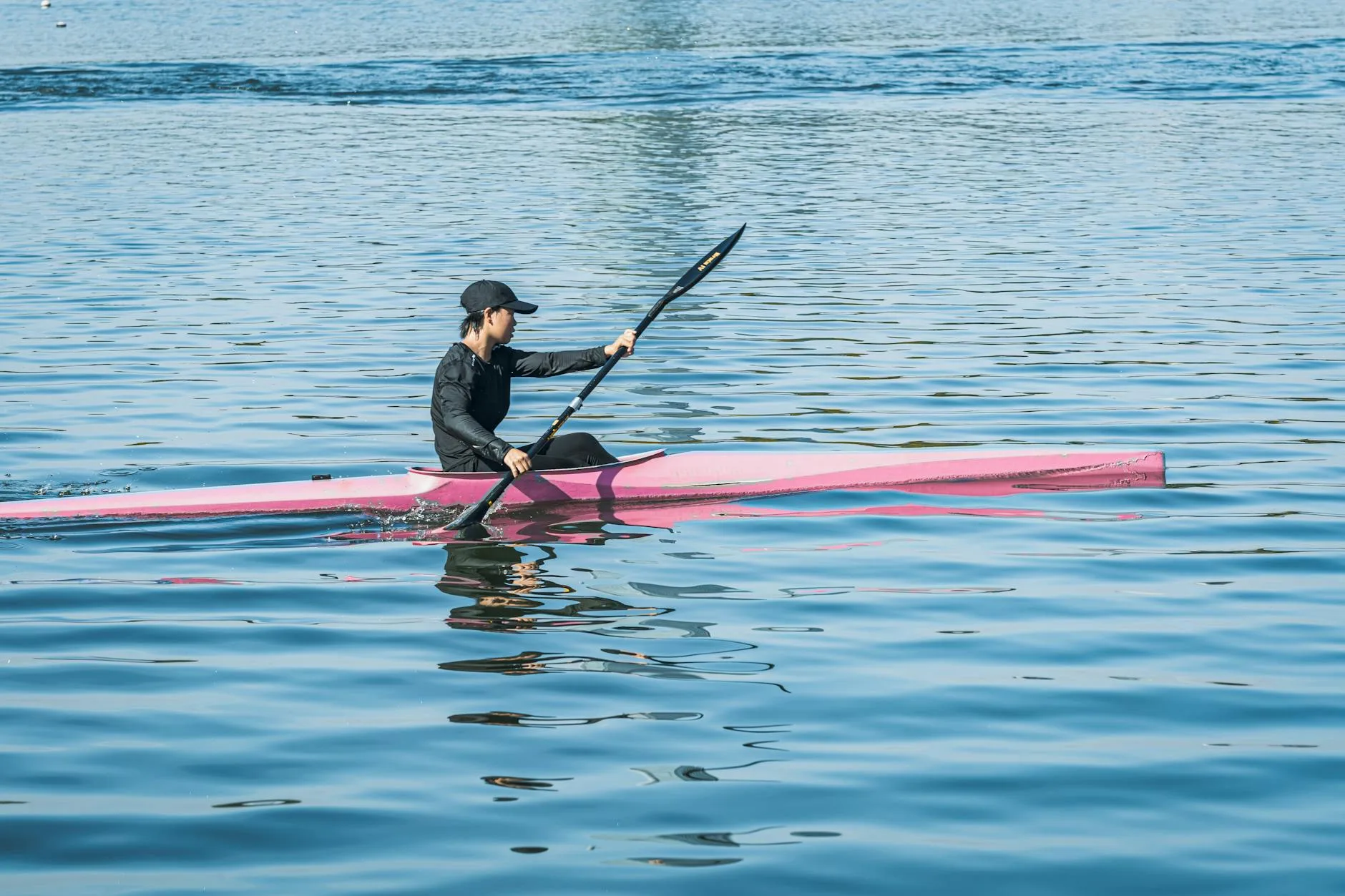
Wet Exits in Different Kayak Types
Sit-In Touring Kayaks
Standard wet exit technique as described above. These cockpits are large enough for easy exit but require a spray deck. The most common kayak type for UK paddlers learning wet exits.
Whitewater Kayaks
Smaller cockpits with tighter-fitting spray decks and more aggressive thigh braces. Wet exits from whitewater boats feel more restrictive because the boat fits your body more closely. Practice is even more important in whitewater boats — the fit is snug by design, and in fast-moving water you need the exit to be instant.
Sea Kayaks
Longer boats with keyhole cockpits. The exit technique is the same, but sea kayaks are harder to re-enter in deep water because they’re longer and heavier when swamped. Sea kayakers typically carry a paddle float for self-rescue, which inflates and attaches to the paddle to provide an outrigger for climbing back in. You may also want to read How to Repair a Damaged Paddle.
Sit-On-Top Kayaks
No wet exit required. If you capsize a sit-on-top, you fall off rather than being trapped inside. Simply swim to the kayak, flip it upright, and climb back on. This is why sit-on-tops are recommended for beginners and casual paddlers — the capsize risk is much lower.
When a Wet Exit Goes Wrong
Entanglement
Loose clothing, dangling accessories, or a badly fitted PFD can catch on the cockpit rim during exit. Minimise entanglement risk: tuck in loose straps, remove lanyards from around your neck, and ensure your PFD fits snugly without excess webbing.
Stuck in the Cockpit
Extremely rare with proper technique, but it happens when paddlers lean back instead of forward, when spray decks are too tight, or when the cockpit is damaged or deformed. The solution is always the same: lean forward, release the deck, and push out from the hips. If you feel stuck, consciously relax your legs — tense muscles grip the thigh braces and make the cockpit feel tighter.
Disorientation
In turbulent water, you may not know which way is up after capsizing. Your PFD solves this — relax, and buoyancy will orient you towards the surface. Don’t waste energy trying to figure out direction. Exit the boat, let the PFD do its job, and gravity takes care of the rest.
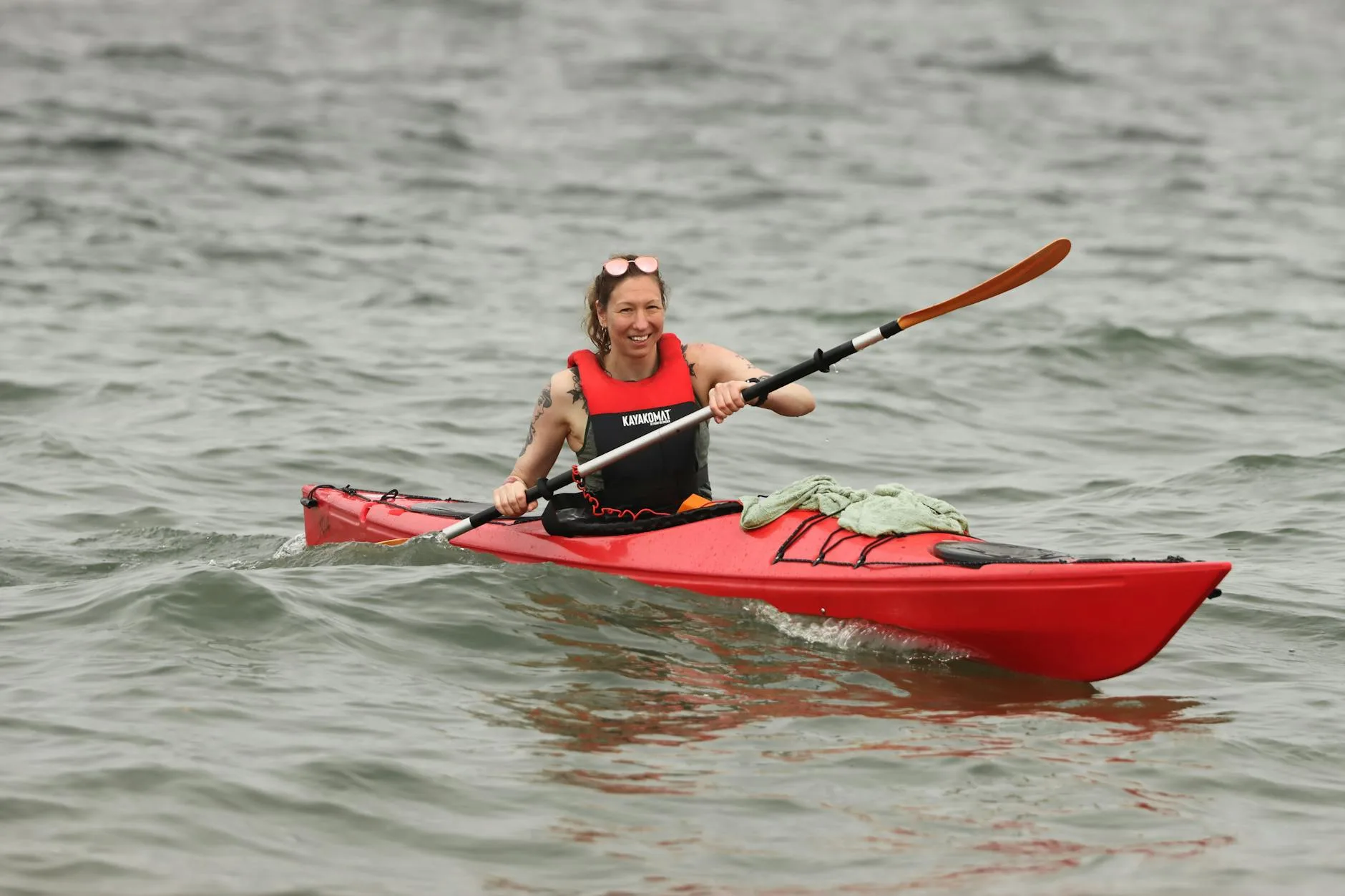
Building Confidence Underwater
Start Small
Before attempting wet exits, get comfortable being underwater. Practice holding your breath in a pool, opening your eyes underwater, and blowing bubbles from your nose (this prevents water going up your nose without a clip). Familiarity with being submerged reduces the panic response.
The 3-Second Rule
When you first capsize deliberately, count to three before beginning the exit. This trains you to pause rather than flail. Three seconds underwater feels long but is completely safe. Gradually extend the count — 5 seconds, 7 seconds, 10 seconds — until being upside down in water feels tolerable rather than terrifying.
Visualise the Sequence
Before each practice capsize, mentally run through the steps: tuck, grab, pull, push, surface. Visualisation primes your body to perform the sequence automatically. Sports psychologists use this technique extensively — it works just as well for kayaking as for any other physical skill.
Celebrate Small Wins
Your first successful wet exit is a milestone. It means you’ve done something that felt impossible ten minutes earlier. Every subsequent clean exit builds confidence. After 20 successful exits, the idea of capsizing shifts from frightening to routine.
Frequently Asked Questions
How long does a wet exit take?
A practised wet exit takes 3-5 seconds from capsize to surfacing. Beginners may take 8-10 seconds during their first attempts, which is still well within safe breath-holding time. With practice, the exit becomes automatic and takes under 5 seconds consistently.
Can you drown from a kayak capsize?
Drowning from a kayak capsize is extremely rare when wearing a buoyancy aid and knowing how to wet exit. The risks increase in cold water (cold water shock can cause involuntary gasping), fast-moving water (entrapment on obstacles), and when paddling without a PFD. Always wear a buoyancy aid and practise wet exits before paddling in challenging conditions.
Should I learn to roll before learning to wet exit?
No — learn the wet exit first. It’s simpler, faster to learn, and is the safety fallback when a roll fails. Most beginners learn wet exits in a single pool session. Rolling takes weeks or months of practice to become reliable. A wet exit is your essential escape route; a roll is an advanced skill you build on top of it.
Do I need a spray deck to practise wet exits?
Start without one. Practise capsizing and sliding out of the cockpit first to get comfortable being upside down. Once that feels routine, add the spray deck to practise the release step. Building skills in stages makes the full wet exit feel much less overwhelming.
What if my spray deck gets stuck during a wet exit?
If the grab loop doesn’t release the deck, push upward on the deck from inside to break the seal, or work your fingers under the deck edge and peel it off the cockpit rim. Stay calm — spray decks are fabric, not rigid barriers. Before paddling, always check that the deck releases cleanly from your specific cockpit and that the grab loop is visible and accessible.
Is an inflatable kayak good for beginners? It can be, especially for storage and transport. Choose one with good tracking, proper seats and enough weight capacity for your kit.
What is the difference between a kayak and a canoe? Kayaks usually use a double-bladed paddle and a lower seated position. Canoes use a single-bladed paddle and often carry more kit.
Do I need lessons before kayaking? Lessons are strongly recommended. A short beginner session teaches launching, steering, rescues and how to judge conditions.
Frequently Asked Questions
Is an inflatable kayak good for beginners? It can be, especially for storage and transport. Choose one with good tracking, proper seats and enough weight capacity for your kit.
What is the difference between a kayak and a canoe? Kayaks usually use a double-bladed paddle and a lower seated position. Canoes use a single-bladed paddle and often carry more kit.
Do I need lessons before kayaking? Lessons are strongly recommended. A short beginner session teaches launching, steering, rescues and how to judge conditions.
What should I check first with How to Do a Wet Exit from a Kayak Safely? Start with the real use case, then check size, compatibility, running costs and maintenance. A product that looks good on paper can still be the wrong fit if it does not suit the room, routine or budget.
How do I avoid wasting money on How to Do a Wet Exit from a Kayak Safely? Avoid buying on one headline feature alone. Compare the practical details, read the warranty or returns terms, and choose the option that solves your main problem rather than the one with the longest specification list.