You’re loading the car after a cracking day on the water and you spot it — a chip in the blade edge, a hairline crack running along the shaft, or worse, a split where the blade meets the handle. It’s the kind of thing that makes your stomach drop, especially if you paid £200+ for a decent carbon paddle.
The good news? Most paddle damage is repairable at home, and the fix usually costs under £20 in materials. I’ve patched up everything from minor fibreglass chips to a carbon blade that took a direct hit on a submerged rock in the Lake District. Not all damage is worth fixing — sometimes a paddle is genuinely done — but you’d be surprised how much you can bring back to life with the right approach and a free afternoon.
In This Article
- Common Types of Paddle Damage
- When to Repair vs When to Replace
- Tools and Materials You’ll Need
- How to Repair Chips and Edge Damage
- Fixing Cracks in the Shaft
- Repairing Delamination on Composite Blades
- Fixing a Loose or Wobbly Ferrule
- Repairing Aluminium Paddle Shafts
- Sanding, Finishing and Sealing
- How to Prevent Paddle Damage in the First Place
- Frequently Asked Questions
Common Types of Paddle Damage
Not all paddle damage is created equal. Some issues are cosmetic annoyances, others are structural problems that affect performance or safety. Knowing what you’re looking at helps you decide the right fix.
Chips and Nicks on the Blade Edge
The most common damage by far. Every paddle picks these up eventually — hitting rocks, scraping the riverbed, or catching the edge of a dock. On fibreglass and carbon blades, you’ll see small chunks missing from the edge, sometimes with exposed fibres underneath. Aluminium paddles get dents and bent edges instead.
Small chips (under 5mm) are mostly cosmetic. Larger ones let water penetrate the composite layers, which leads to delamination if you ignore them. I left a chip on a fibreglass blade for about three months once, and by the time I got around to it, the layers had started separating for about 4cm around the original damage.
Cracks in the Shaft
Hairline cracks in composite shafts are sneaky — they’re hard to spot visually but you can often feel them by running your fingers along the shaft. More serious cracks are obvious: you’ll see a visible line, and the shaft might flex more than it should in one direction.
Cracks near the ferrule joint (where a two-piece paddle connects) are particularly common because that’s a stress concentration point. Cracks in the middle of the shaft usually mean a significant impact — someone stepped on it, it got caught in a car door, or it took a bad knock during transport.
Delamination
This is where the layers of composite material start separating. You’ll hear it before you see it — a dull, dead sound when you tap the affected area, compared to the sharp ring of healthy composite. Visually, you might see bubbling, discolouration, or the surface lifting away from the layers underneath.
Delamination spreads if left untreated. Water gets between the layers, freezes in winter storage, and forces them further apart. What starts as a 2cm patch can become a 15cm problem over a single season.
Ferrule Problems
Two-piece and adjustable paddles rely on ferrule joints to hold the sections together. Over time, the ferrule can become loose (wobbling during strokes), too tight (won’t come apart after use), or corroded (especially on aluminium ferrules used in salt water). Sand and grit work their way into the mechanism and accelerate wear.
Bent or Dented Aluminium Shafts
Budget aluminium paddles don’t crack — they bend. A noticeable bend in the shaft affects your stroke efficiency and can cause wrist strain over long distances. Small dents in the shaft are usually cosmetic, but dents near the blade-shaft joint can weaken the connection. For a related angle, see our How to Do a Wet Exit from a Kayak Safely guide.
When to Repair vs When to Replace
Not every damaged paddle is worth saving. Here’s how I think about it:
Worth Repairing
- Edge chips under 2cm on fibreglass or carbon blades — a simple epoxy fill, 20 minutes of actual work
- Hairline cracks in composite shafts that don’t affect structural integrity — fibreglass wrap fixes these permanently
- Surface delamination that hasn’t penetrated deep into the blade core
- Loose ferrules — usually just need cleaning and fresh grease
- Minor cosmetic damage on an otherwise sound paddle
- Any damage on a paddle that cost over £100 — the repair materials (£10-20) are a fraction of replacement cost
Time to Replace
- Structural cracks that go more than halfway through the shaft — the paddle has lost its integrity and could snap mid-stroke, which is dangerous on open water
- Extensive delamination covering more than a third of the blade — you’d spend more time repairing than the result is worth
- A bent aluminium shaft with more than 5 degrees of deflection — you can’t straighten it reliably without weakening the metal
- A cracked blade-shaft joint on a carbon paddle — this is a high-stress area and epoxy repairs rarely hold long-term
- Budget paddles under £30 — the repair materials cost nearly as much as a new one
The Paddle UK safety guidance recommend inspecting all equipment before each outing. If you’re in any doubt about structural integrity after a repair, retire the paddle to a spare and get a replacement for your main outings.
Tools and Materials You’ll Need
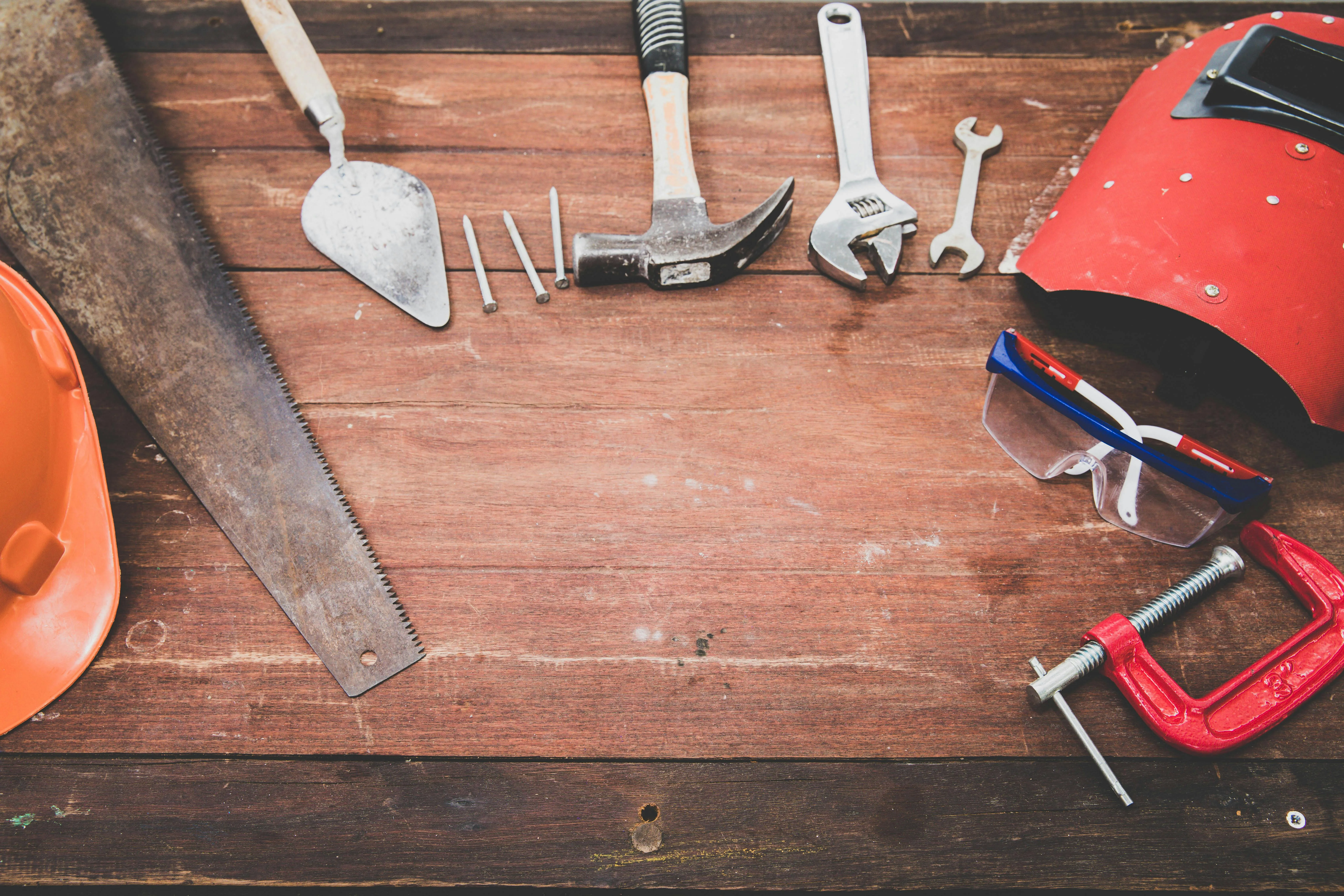
Most paddle repairs use the same core kit. You probably have half of this in the garage already.
Essential Kit
- Marine-grade epoxy resin (West System 105/205 is the gold standard — about £35 for a kit from Wessex Resins, but it lasts dozens of repairs)
- Fibreglass cloth (4oz woven cloth for blade repairs, 6oz for shaft wraps) — about £8-12 per metre from Easy Composites
- Wet-and-dry sandpaper in 120, 240, 400, and 800 grits — a multipack from Screwfix costs about £5
- Masking tape (the blue painter’s tape, not regular masking tape — it peels off cleaner)
- Mixing cups and stir sticks (plastic cups work fine)
- Nitrile gloves — epoxy is unpleasant on skin and takes days to wear off
- Scissors sharp enough to cut fibreglass cloth cleanly
Nice to Have
- Colour-matched gelcoat if you want an invisible repair (available from most marine chandlers)
- Release film (peel ply) for a smooth finish without excessive sanding
- A heat gun for removing old, failed repairs or stubborn ferrules
- Denatured alcohol or acetone for cleaning surfaces before bonding
If you’re not sure which paddle material yours is made from, check the manufacturer’s website or look for markings near the grip. The material determines which repair approach works best.
How to Repair Chips and Edge Damage
This is the repair you’ll do most often. The process is the same whether you’re working on a kayak paddle or a SUP paddle.
Preparing the Damage Area
- Clean the damaged area thoroughly with fresh water and let it dry completely — at least 24 hours if the chip has been exposed to water for a while
- Sand the area around the chip with 120-grit sandpaper, extending about 2cm beyond the damage in all directions
- Wipe down with acetone or denatured alcohol to remove dust and any contaminants
- Apply masking tape around the repair area, leaving about 1cm of clearance
Filling Small Chips (Under 1cm)
- Mix a small amount of epoxy resin with hardener according to the manufacturer’s ratio (West System is 5:1 by volume)
- Add colloidal silica or microballoons to thicken the mixture to a peanut-butter consistency — this stops it running off the blade edge
- Press the thickened epoxy into the chip with a small spatula or the flat edge of a lolly stick
- Overfill slightly — you’ll sand it flush once cured
- Cover with release film or cling film pressed gently against the surface
- Leave to cure for 24 hours at room temperature (above 15°C — this matters; epoxy cures slowly or incompletely below 10°C, which is worth knowing if you’re working in an unheated garage in winter)
Filling Larger Chips (1-2cm)
- Follow the preparation steps above
- Cut a piece of fibreglass cloth slightly larger than the damaged area
- Apply a thin coat of mixed epoxy to the sanded area
- Lay the fibreglass cloth over the chip and wet it out with more epoxy using a brush
- For deeper chips, you might need two or three layers — let each one partially cure (tacky but not fully hard) before adding the next
- Finish with release film and leave for a full 24-hour cure
After six months of paddling on a repaired edge, I honestly can’t tell where the original chip was. The epoxy is actually harder than most blade materials, so the repair area often outlasts the surrounding surface.
Fixing Cracks in the Shaft
Shaft cracks are more serious than blade edge damage because the shaft is a structural component — it transfers all your paddling force. Get this wrong and the paddle could fail on the water.
Assessing the Crack
Run your fingernail across the crack. If it catches, the crack has gone through the surface layer. Flex the shaft gently in both directions near the crack — any unusual movement means the crack goes deeper.
For hairline surface cracks (your fingernail doesn’t catch), a simple epoxy seal is enough. For deeper cracks, you need a fibreglass sleeve repair.
Surface Crack Repair
- Sand the area around the crack with 120-grit, extending 3cm in each direction along the shaft
- Clean with acetone
- Work thin, unthickened epoxy into the crack using a syringe or by applying it and letting capillary action draw it in
- Wipe away excess and tape over the repair
- Cure for 24 hours, then sand smooth with 240-grit
Fibreglass Sleeve Repair (Deeper Cracks)
- Sand a 10-15cm section of shaft centred on the crack, removing the glossy surface coat
- Cut fibreglass cloth into strips that wrap around the shaft circumference with about 1cm of overlap
- Mix epoxy and apply a wet coat to the sanded shaft
- Wrap the first layer of fibreglass cloth around the shaft, wetting it out thoroughly with a brush
- Apply two or three more layers, staggering the overlap point so it’s not always in the same place
- Wrap tightly with electrical tape or shrink wrap to compress the layers and squeeze out air bubbles
- Cure for 24 hours minimum, then remove the tape
- Sand with 120-grit to shape, then 240, then 400 for a smooth finish
The repair will add a few millimetres of diameter to the shaft, which you’ll notice where your hands grip. Sand it down as much as you can while maintaining the structural wrap, or add a thin layer of grip tape over the repair area.
Repairing Delamination on Composite Blades
Delamination is trickier than chips or cracks because you need to get epoxy between layers that have separated, then clamp them back together without trapping air.
Small Areas (Under 5cm)
- Drill a tiny hole (1-2mm) at the edge of the delaminated area — this gives you an injection point and lets trapped air escape
- Use a syringe to inject thin epoxy between the separated layers, working from the hole towards the edges
- Press the layers together firmly and clamp with spring clamps or G-clamps lined with rubber to avoid marking the blade
- Wipe away any epoxy that squeezes out
- Leave clamped for a full 24-hour cure
Larger Areas
- If the delaminated area is accessible from the edge, gently pry the layers apart enough to work epoxy in with a brush
- Coat both surfaces thoroughly
- Press together and clamp along the entire length of the separation
- For blade sections where clamps don’t reach, wrap the entire blade tightly in cling film, then wrap with electrical tape to provide even compression
- Cure for 24 hours
A mate’s carbon SUP paddle had delamination across about 8cm of the blade face after he caught it between rocks on the River Wye. We injected epoxy through three drill points, clamped it overnight, and it’s been fine for two seasons since. The drill holes are filled with gelcoat and you can barely see them.
Fixing a Loose or Wobbly Ferrule
A wobbly ferrule is maddening — you can feel it flexing with every stroke, robbing you of power and driving you slightly mad. Fortunately, it’s usually the simplest fix.
Cleaning the Ferrule
Nine times out of ten, a loose ferrule just needs a clean. Sand, salt crystals, and dried algae build up in the joint and prevent proper seating.
- Separate the paddle sections
- Clean the male and female parts of the ferrule with warm soapy water and a soft brush
- For stubborn deposits, soak in white vinegar for 30 minutes
- Dry completely and apply a thin coat of McLube sailkote or silicone-free marine lubricant
- Reassemble and check for wobble
If Cleaning Doesn’t Fix It
The ferrule itself may be worn. On many paddles, the ferrule is a separate component bonded into the shaft. Options:
- Wrap the male ferrule section with a thin layer of fibreglass to build up the diameter slightly — this is the DIY approach and works well for minor wear
- Contact the manufacturer — many paddle makers (Werner, Aqua Bound, Palm Equipment) sell replacement ferrule kits for their paddles, typically £15-30
- Take it to a paddle sports shop — companies like Palm Equipment, System X Paddles, or your local Canal & River Trust paddling locations affiliated club often have someone who can re-bond a ferrule properly
Knowing how to choose the right paddle length matters here too — if your adjustable paddle’s ferrule is failing because you’ve got it extended to its maximum, you might be better off with a longer fixed-length paddle instead of repeatedly repairing the adjustment mechanism. Our Best Places to Kayak in the UK guide is useful alongside this.
Repairing Aluminium Paddle Shafts
Aluminium paddles are the workhorses of hire fleets and beginners, and they take abuse that would destroy a carbon paddle. The trade-off is that when they do fail, the repair options are more limited.
Straightening a Bent Shaft
Small bends (under 3 degrees) can sometimes be straightened:
- Place the paddle on a flat surface to identify the exact bend point
- Support the shaft on either side of the bend with blocks
- Apply gentle, even pressure at the bend point — emphasis on gentle
- Check frequently against the flat surface
- Stop as soon as it’s straight — over-bending will weaken the metal further
This works once, maybe twice on the same spot. After that, the metal is work-hardened and will either snap or bend again immediately. For a paddle that cost £25-40 from Decathlon, it’s worth one attempt before replacing.
Fixing Dents
Dents in aluminium shafts are mostly cosmetic. If the dent is in a grip area and bothers your hands, you can build it up with automotive body filler (Isopon P38 from Halfords, about £8), sand it smooth, and wrap with grip tape. Not elegant, but functional.
When Aluminium Isn’t Worth Fixing
Aluminium paddles are cheap enough that extensive repairs don’t make financial sense. If the shaft is cracked, the blade rivets are pulling through, or the shaft has been bent and straightened more than once, a new budget paddle is the better investment.
Sanding, Finishing and Sealing
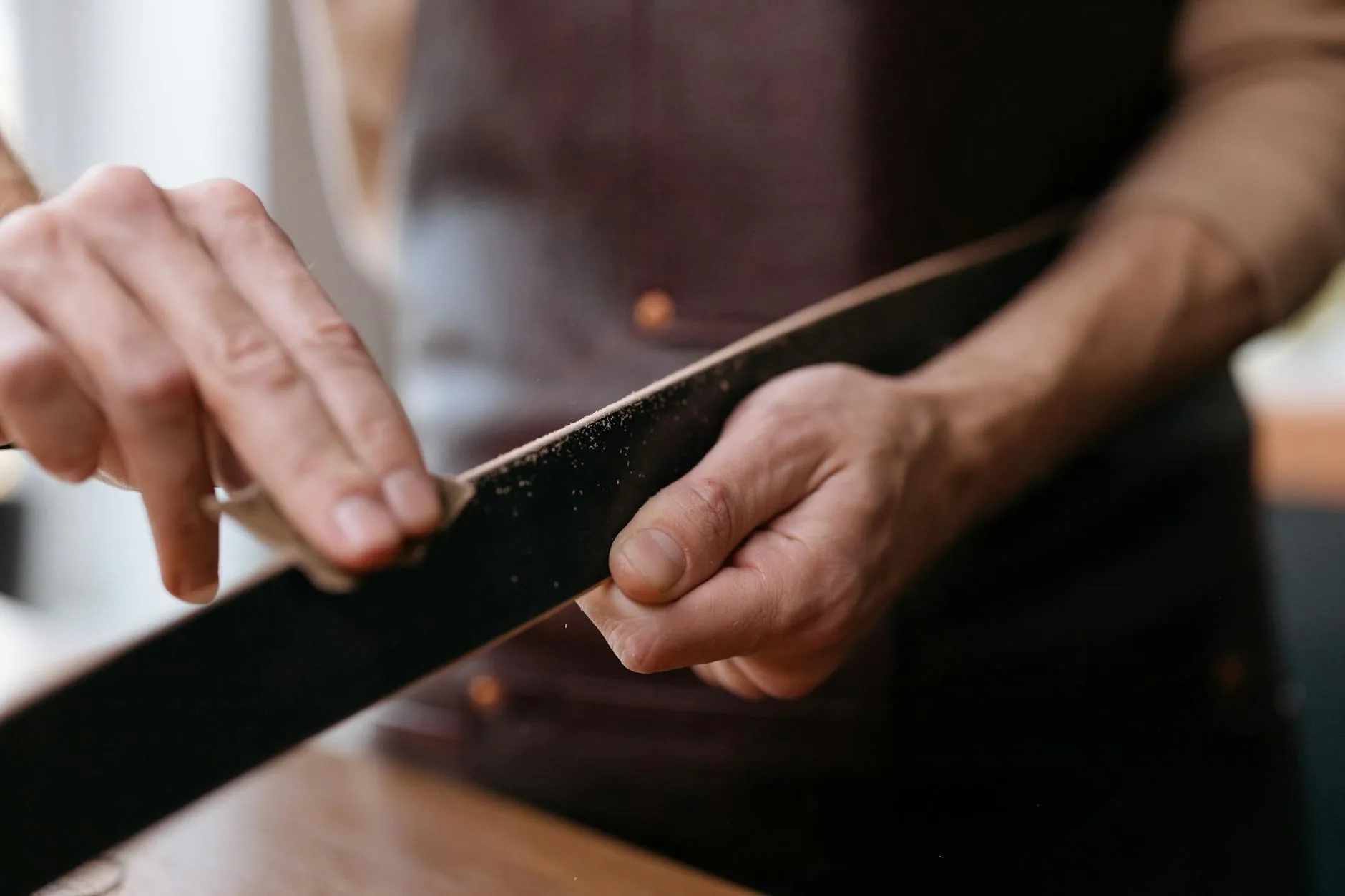
The sanding stage is where a rough repair becomes an invisible one. Rush this and you’ll always know where the repair is. Take your time and nobody will ever spot it.
The Sanding Sequence
- 120-grit — shape the repair, remove high spots and excess epoxy. Don’t sand into the surrounding original surface
- 240-grit — smooth out the 120-grit scratches and blend the repair edges into the original surface
- 400-grit — this is where it starts to feel smooth. Most functional repairs can stop here
- 800-grit (wet sanding) — for a near-factory finish. Wet the paper and sand with light pressure in circular motions
Sealing and Protecting
Bare epoxy degrades in UV light — it yellows and becomes brittle over 6-12 months of sun exposure. Options for protection:
- Marine varnish (Hempel or International) — two thin coats give good UV protection and a gloss finish. About £15-20 from Screwfix or a marine chandler
- Spray-can clear coat — faster and easier than brush-on varnish. Automotive clear coat from Halfords works well
- Colour-matched gelcoat — if you want the repair truly invisible. Available from Easy Composites in most colours, about £10-15 for a small pot
For paddles that see heavy use, I apply a fresh coat of marine varnish to any repaired areas at the start of each season. Takes five minutes and keeps the repairs sound.
How to Prevent Paddle Damage in the First Place
Prevention is cheaper and easier than repair. These habits keep your paddle in one piece for years.
On the Water
- Don’t use your paddle as a push-off pole. Ramming the blade into rocks and the riverbed is the number one cause of edge damage. Use your hands against the dock or a dedicated push-off stick
- Avoid dragging the blade along the bottom in shallow water — lift and place rather than sweep
- Be aware of submerged rocks on rivers, especially after rain when water levels change the hazard map
- Don’t lever off rocks if you get stuck. Back-paddle or use your hands to push off
Storage and Transport
- Use a paddle bag for transport — paddles rattling around in a car boot is a recipe for chips and cracks
- Store paddles vertically or horizontally on a rack — never leaning against a wall where they can fall
- Keep out of direct sunlight when not in use. UV degrades composite materials and loosens adhesive bonds
- Rinse with fresh water after saltwater use — salt crystals in the ferrule cause corrosion and jamming
- Dry completely before long-term storage — moisture trapped inside a blade causes internal delamination over winter
Regular Maintenance
- Inspect blade edges before and after each outing — catching chips early means a 10-minute fix instead of an hour-long repair
- Check the ferrule for wobble at the start of each session
- Apply ferrule lubricant every 5-10 outings, more often in salt water
- Tighten any screws or clamp mechanisms on adjustable paddles
A paddle that gets regular attention lasts years longer than one that gets thrown in the garage wet and forgotten until the next outing.
Frequently Asked Questions
Can I use superglue to repair a paddle? No — superglue (cyanoacrylate) is brittle and has no structural strength. It’ll crack and fall out within a few sessions. Marine-grade epoxy is the only adhesive worth using on paddle repairs because it bonds to composites, remains slightly flexible, and handles water exposure without degrading.
How long does a paddle repair take? The actual hands-on work is usually 30-60 minutes depending on the damage. The waiting is the slow part — epoxy needs a full 24 hours to cure at room temperature (above 15°C). You can speed this up slightly with a heat lamp, but never try to rush it. Uncured epoxy will fail on the water.
Is it safe to paddle with a repaired paddle? A properly done epoxy and fibreglass repair restores full structural integrity for chips, edge damage, and surface cracks. For deeper shaft cracks, the fibreglass sleeve method creates a repair that’s often stronger than the original at that point. If you’re unsure about a repair’s integrity, take it to a paddle sports shop for a professional assessment before using it on open water.
Can I repair a carbon fibre paddle at home? Yes — carbon fibre paddles are repaired with the same epoxy and fibreglass cloth methods as fibreglass paddles. You won’t match the carbon weave visually (that’s a specialist job), but structurally the repair is identical. The fibreglass cloth bonds to carbon just as well as it does to fibreglass.
What’s the best epoxy for paddle repairs? West System 105 resin with 205 hardener is the industry standard for marine composite repairs. It’s what most paddle manufacturers use in production. For small jobs, you can get away with a sachet-style marine epoxy from a chandler (about £5-8), but West System gives better results and works out cheaper per repair once you have the kit.