You’re scrolling through Instagram watching someone glide across a glassy lake at sunrise, board perfectly still, not a wobble in sight. Looks peaceful. Looks easy. Then you remember the one time you tried standing on a pool lilo and ended up face-first in chlorinated water. Stand up paddleboarding — SUP, if you want to sound like you know what you’re doing — sits somewhere between those two extremes. It’s genuinely one of the easiest water sports to pick up, but there are a few things worth knowing before you hand over your cash and head for the nearest canal.
SUP has taken off across the UK over the last few years. We’ve been testing boards and paddling different waterways to put this guide together. What was once a niche Hawaiian pastime is now a regular sight on the Thames, the Lake District, and even urban waterways in Manchester and London. The appeal is obvious: it’s a full-body workout that doesn’t feel like one, you can do it solo or with mates, and it gets you onto water without needing years of sailing lessons or a wetsuit collection. But the sheer number of boards, paddles, and accessories out there can make getting started feel more complicated than it needs to be.
This guide covers everything you need to know to get on the water confidently — from choosing the right board to understanding where you can actually paddle legally in the UK. If you’re more drawn to kayaking, our beginner’s guide to choosing a kayak might be a better starting point.
What Type of Board Do You Need?
Walk into any outdoor shop or browse Amazon UK for five minutes and you’ll quickly realise there are a lot of SUP options. They broadly fall into a few categories, and picking the right one matters more than you’d think.
All-Round Boards
This is where most beginners should start, full stop. All-round boards are wider (typically 80-86cm), which makes them more stable. They’re a bit shorter than touring boards, usually around 305-320cm, and have a rounded nose that handles small waves, flat water, and gentle rivers without complaint.
An all-round board won’t be the fastest thing on the water, and it won’t carve turns like a surf SUP. But it’ll do everything reasonably well, which is exactly what you want when you’re still figuring out your balance. Think of it as the hatchback of paddleboards — not exciting, but practical and good at most things.
Good options: The Red Paddle Co Ride 10’6 (around £700-800) is the gold standard for inflatable all-rounders. If that’s too steep, the Bluefin Cruise 10’8 (about £500) is brilliant value and comes with a proper package including pump, paddle, and bag.
Touring Boards
Once you’ve got your balance sorted and want to cover more distance, touring boards are the next step. They’re longer (350-380cm), narrower, and have a pointed nose that cuts through water more efficiently. You’ll paddle faster with less effort, which matters when you’re doing a 10km stretch of the Jurassic Coast.
The trade-off is stability. A touring board will feel tippier than an all-rounder, especially in choppy conditions. Most beginners who jump straight to a touring board spend their first few sessions swimming rather than paddling.
Good options: The Thurso Surf Expedition (about £600) is a solid entry-level touring board. The Red Paddle Co Voyager 12’6 (around £900) is superb but you’re paying for the name.
Surf SUP Boards
Shorter, narrower, with more rocker (curve) in the nose. These are designed for catching waves, not cruising canals. Unless you specifically want to SUP surf — which is fantastic fun but a different skill set entirely — skip these for now.
Inflatable vs Rigid: The Big Decision
Here’s the question that dominates every SUP forum on the internet, and for UK paddlers, the answer is almost always inflatable.
Inflatable boards pack down into a rucksack, fit in the boot of a Fiesta, and store in a cupboard. Modern inflatables with fusion or woven drop-stitch construction are remarkably rigid when pumped to the right PSI (typically 15-20 PSI). They’re also more forgiving when you fall on them — no bruised ribs from landing on a hard edge.
Rigid boards (also called hardboards) are lighter, faster, and more responsive. They’re better for performance paddling and racing. But they’re also 300-380cm of solid fibreglass or carbon that you need to transport on a roof rack and store somewhere with enough space. In a terraced house in Bristol, that’s a big ask.
For 90% of UK beginners, an inflatable board is the right call. You’ll use it more because it’s easier to transport, and the performance difference at beginner level is negligible. The only exception is if you live waterside and can store a rigid board near the water — then you skip the 10-minute pump-up every session. For a related angle, see our How to Choose Paddling Gloves for Cold Water guide.
Sizing Your Board: Weight Matters More Than Height
Board sizing confuses people because they assume it works like clothing — pick by height. It doesn’t. Your weight is the most important factor, because it determines how far the board sits in the water and how stable it feels.
Here’s a rough guide:
- Under 70kg: A 300cm (10′) all-round board will work well. You don’t need a massive board.
- 70-85kg: The sweet spot for a 320cm (10’6) board, which is the most popular size for good reason.
- 85-100kg: Look at 325-335cm (10’8-11′) boards with at least 15cm thickness.
- Over 100kg: Go 340cm+ (11’2+) with 15cm thickness minimum. Width of 84cm+ for stability.
Thickness matters as much as length. A thin board (12cm) will flex and sink under heavier paddlers, making it feel unstable and sluggish. Most quality boards are 15cm thick these days, which handles up to about 110kg comfortably.
If you’re between sizes, go bigger. A slightly too-large board just feels a touch slower. A too-small board feels like standing on a pool noodle.
Where to Paddle in the UK
One of the best things about SUP in the UK is the sheer variety of spots. You’re never more than a couple of hours from decent paddling water.
Canals and Rivers
The canal network is brilliant for beginners — flat water, no tides, sheltered from wind. The Kennet & Avon Canal, the Llangollen Canal in Wales, and the Regent’s Canal in London are all popular and beautiful. Rivers like the Wye, the Thames (outside of London), and the River Dart in Devon offer stunning paddling, but check flow rates and conditions before heading out.
Important: You need a licence to paddle on most inland waterways in England and Wales. The Canal & River Trust sells a SUP licence for about £45 per year, which covers their 2,000 miles of canals and rivers. Some rivers are managed by the Environment Agency instead, which requires a separate licence (around £40). Check before you launch — wardens do patrol and can issue fines.
Coastal
The UK coastline is world-class for SUP. Dorset, Cornwall, Pembrokeshire, the Scottish Highlands — all incredible. Coastal paddling adds complexity though: tides, currents, wind, and swell all need consideration. Stick to sheltered bays and harbours until you’re confident, and always check the tide times.
Top spots for beginners: Studland Bay in Dorset, Bude Canal leading to the sea in Cornwall, the Menai Strait in Wales (on calm days), and Loch Lomond in Scotland.
Lakes
The Lake District is the obvious choice — Windermere, Derwentwater, and Coniston Water are all beautiful. But don’t overlook places like Llyn Padarn in Snowdonia, Loch Morlich in the Cairngorms, or even Rutland Water in the East Midlands. Lakes generally offer flatter water than the coast but can get surprisingly choppy when the wind picks up. Our How to Edge a Kayak: Turning Technique guide is useful alongside this.
Note: Some lakes require permits or have restricted access. The National Trust and Lake District Authority manage several, and a few are completely off-limits for water sports.
Safety Essentials: Don’t Be That Person
Every summer, the RNLI rescues SUP paddlers who got into trouble because they didn’t take basic precautions. Don’t be one of them. SUP safety isn’t complicated, but it is non-negotiable.
Wear a Leash — Always
Your leash connects you to your board. If you fall off (and you will), your board is your biggest flotation device. Without a leash, it’ll blow downwind faster than you can swim, leaving you stranded in cold water.
Coiled leashes are best for flat water — they stay out of the way and don’t drag. Straight leashes are used in surf. For river paddling, use a quick-release waist leash that you can detach if you get snagged on underwater obstacles. Never use an ankle leash on moving water — if your board wraps around a bridge pillar, you don’t want to be attached to it.
A decent coiled leash costs about £20-30. It could save your life.
Buoyancy Aid
Not legally required for adults on most UK waterways, but strongly recommended — especially for beginners, anyone paddling alone, and always on coastal or tidal water. A lightweight SUP-specific buoyancy aid (about £40-70) sits comfortably over a wetsuit or drysuit without restricting your paddle stroke.
The Canal & River Trust recommends wearing one. The RNLI pleads with people to wear one. Wear one.
Check the Weather and Conditions
Wind is the enemy of stand up paddleboarding. Anything above 15mph makes paddling miserable and potentially dangerous — you literally can’t make progress upwind. Check the forecast before every session and pay attention to wind direction. Paddle into the wind on the way out so you’ve got it behind you when you’re tired on the return.
Cold water is the other big risk. UK water temperatures range from about 6°C in winter to maybe 18°C in a warm summer. Even at the higher end, cold water shock is real if you fall in unexpectedly. A wetsuit (3/2mm for summer, 5/4mm or drysuit for winter) makes a huge difference.
Tell Someone Where You’re Going
Basic but overlooked. Tell someone your plan: where you’re launching, which direction you’re heading, and when you expect to be back. If you don’t return, they know where to send help. We cover a similar decision in Helmet Guide for Whitewater Kayaking.
Gear You Need (and Gear You Don’t)
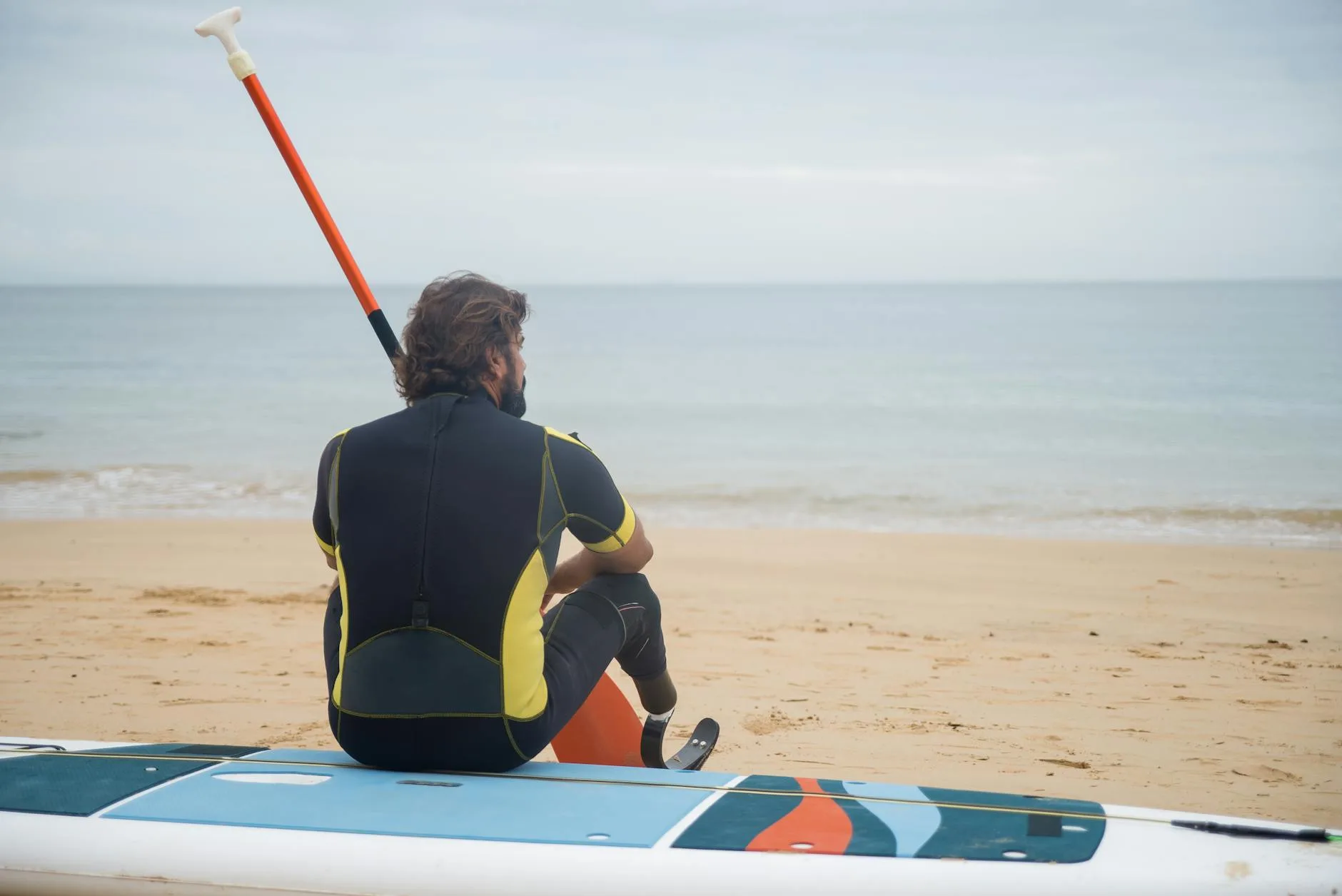
The Essentials
- Board and paddle — obviously. If buying a package deal, check the paddle quality. Many budget packages include an aluminium paddle that’s heavy and flexes. Upgrading to a fibreglass or carbon paddle (£60-150) transforms the experience.
- Pump — comes with inflatable boards. A dual-action or triple-action pump cuts inflation time from 15 minutes to about 7. Electric pumps (£80-120) are worth it if you paddle regularly.
- Leash — as above. Non-negotiable.
- Buoyancy aid — as above. Just get one.
- Dry bag — for your phone, keys, and wallet. A 5-litre roll-top dry bag costs about £10-15 and clips onto the board’s bungee cords.
Nice to Have
- Wetsuit or drysuit — essential for cooler months, nice for warmth and sun protection in summer. A decent 3/2mm wetsuit from Decathlon runs about £70-100.
- SUP-specific shoes — neoprene booties (£20-30) protect your feet from sharp rocks and keep them warm. Most people paddle barefoot in summer.
- Waterproof phone case — about £10-15. Lets you take photos and use navigation apps without risking your phone.
- Board bag — for inflatables, the included rucksack is usually fine. A wheeled bag (£50-80) is a godsend if you’re walking any distance from the car to the water.
Don’t Bother With (Yet)
- GPS watch — fun for tracking distance, but not needed when starting out.
- Action camera mount — you’ll spend the first few sessions concentrating on not falling in, not filming content.
- Carbon race paddle — a £300 paddle won’t help if your technique is off. Learn the basics with a fibreglass paddle first.
What Does It All Cost?
Let’s talk money. SUP can be as cheap or expensive as you like, but here’s what realistic UK pricing looks like in 2026:
Budget Setup (Under £400)
A package deal from a brand like Bluefin, ISLE, or Decathlon that includes board, paddle, pump, leash, and bag. The Decathlon Itiwit range starts at about £250 for a basic 10′ board — perfectly serviceable for trying the sport. The Bluefin Cruise 10’8 at around £500 is the sweet spot where quality takes a noticeable step up, though it nudges the budget.
Mid-Range (£500-800)
This is where most keen beginners end up. Brands like Red Paddle Co, Bluefin, Thurso Surf, and Starboard offer boards that are stiffer, lighter, and more durable. The Red Paddle Co Ride 10’6 (about £700-800) is the most popular SUP in the UK for a reason — it’s rock solid.
Premium (£800+)
High-end inflatables from Red Paddle Co, Starboard, and Fanatic. Carbon-composite rigid boards from brands like NSP and Naish. Racing boards, specialist touring boards, surf SUPs. You’re paying for lighter weight, better glide, and niche performance.
The Hidden Costs
Budget for these on top of the board:
- Buoyancy aid: £40-70
- Wetsuit: £70-150
- Upgraded paddle (if needed): £60-150
- Electric pump: £80-120
- Waterway licence: £40-50 per year
- Car roof rack or boot liner: £0-100
Total for a proper beginner setup with everything: realistically £500-900.
Hire Before You Buy
Most UK waterside spots now have SUP hire available for about £15-25 per hour. Do this first. Hire a few different boards, take a beginner lesson (about £35-50 for a group session), and figure out what you like before committing to a purchase. Plenty of people buy a board, use it three times, and sell it at a loss on Facebook Marketplace.
Your First Session: What to Expect
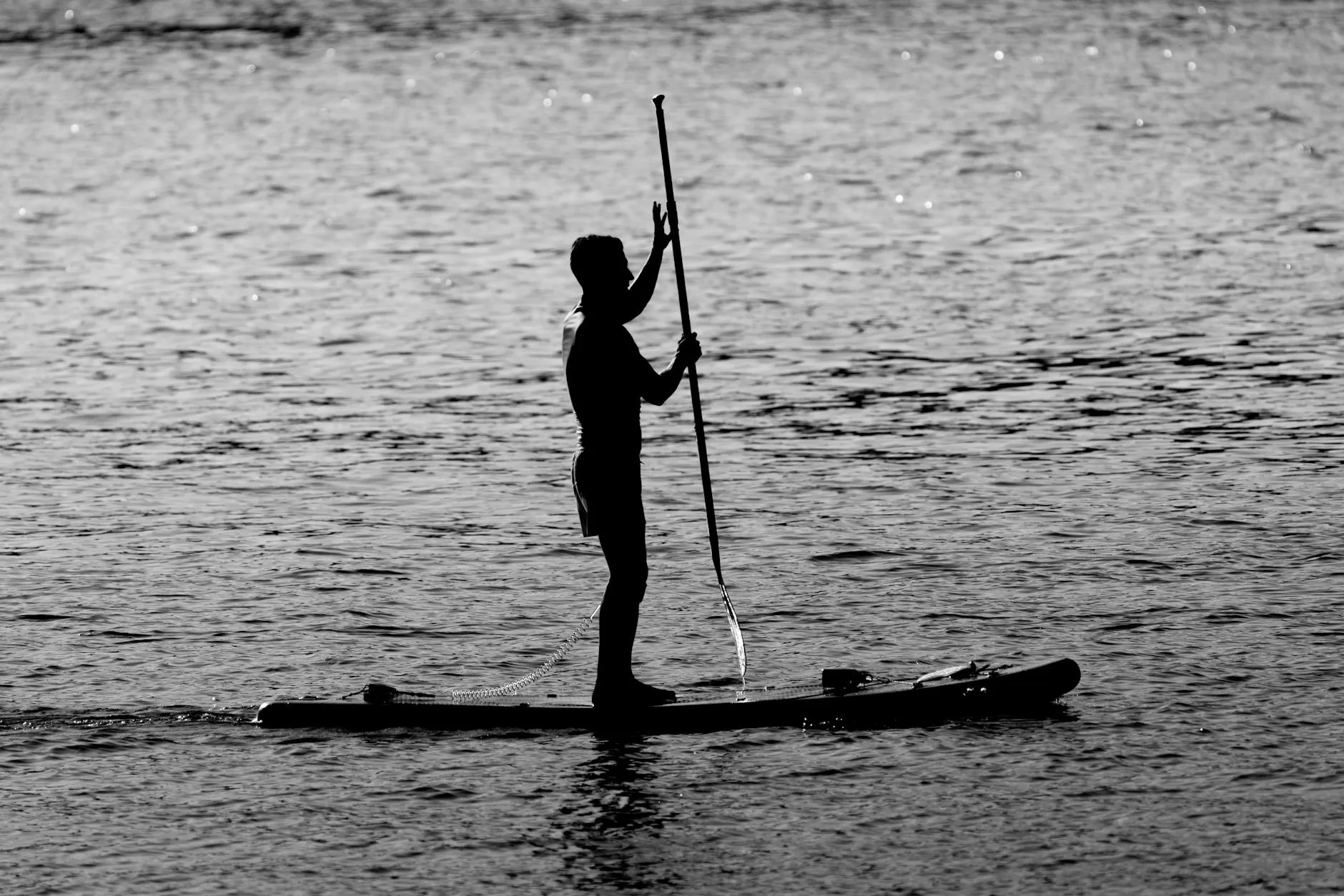
You will fall in. Accept this now and it becomes funny rather than embarrassing.
Start on your knees. Get comfortable with the paddle stroke, turning, and stopping before you try standing up. When you do stand, keep your feet parallel and hip-width apart, centred on the carry handle (which marks the middle of the board). Look at the horizon, not your feet — your body follows your eyes, and staring down makes you wobble.
The paddle goes in the water with the blade angled forward — this feels counterintuitive, but the scoop shape is designed to catch water efficiently that way. Most beginners hold it backwards for the first session. No shame in it.
Paddle 4-5 strokes on one side, then switch. If you only paddle on one side, you’ll go in circles. Keep your arms relatively straight and rotate from your core rather than pulling with your arms — this is where the workout comes from and why SUP is so good for your core strength.
Wind will push you around more than you expect. Current will too. Stay near the shore until you’re confident, and always leave enough energy to get back to your launch point.
Taking It Further
Once you’ve got the basics — and it usually takes 2-3 sessions to feel comfortable standing — SUP opens up brilliantly. Multi-day touring trips along the coast, SUP yoga (surprisingly good fun), racing leagues, river running, even SUP fishing. The UK SUP community is friendly and growing fast, with clubs in most major cities and regular group paddles.
British Canoeing offers recognised coaching qualifications and can point you towards accredited instructors and clubs. Their membership (about £45/year) also includes waterway licences and third-party liability insurance, which is worth considering if you paddle regularly.
The sport rewards consistency. Paddle once a week through spring and summer, and by autumn you’ll look back and wonder how you ever found it difficult. For route inspiration, check out our guide to the best kayaking routes in the UK — many work just as well on a SUP. Just get on the water. The rest follows.
Frequently Asked Questions
What size paddleboard should beginners choose? Most beginners do well with a stable all-round inflatable board around 10-11ft long and 32-34in wide.
Are inflatable paddleboards worth it? Yes for most UK beginners. They are easier to store and transport, though hard boards can feel faster and more responsive.
What pressure should an inflatable paddleboard be? Follow the board maker’s PSI rating. Many boards perform best around 12-15 PSI, but over-inflating can damage seams.
What should I check first with Stand Up Paddleboarding for Beginners: A Complete Guide? Start with the real use case, then check size, compatibility, running costs and maintenance. A product that looks good on paper can still be the wrong fit if it does not suit the room, routine or budget.
How do I avoid wasting money on Stand Up Paddleboarding for Beginners: A Complete Guide? Avoid buying on one headline feature alone. Compare the practical details, read the warranty or returns terms, and choose the option that solves your main problem rather than the one with the longest specification list.