You’ve watched a few videos, maybe tried a kayak on holiday in Cornwall, and now you’re sitting at home thinking: “I want to do this properly.” But between British Canoeing courses, local club sessions, taster days, and the option of just buying a boat and figuring it out yourself, the entry point isn’t obvious. Nobody wants to spend £400 on gear only to discover they should’ve taken a course first — or join a club that turns out to be all serious racers when you just want a peaceful paddle on the Thames.
Getting into kayaking in the UK is easier and cheaper than most people assume. You don’t need your own boat, you don’t need to be fit, and you definitely don’t need to know what a “low brace” is before your first session. What you do need is a sensible starting point — and this guide covers every option from free taster days to structured courses that’ll have you paddling confidently in open water within a few weekends.
Start With a Taster Session
Before committing to anything, try kayaking for an hour or two. Taster sessions are the lowest-risk way to find out whether you enjoy it — and whether you prefer sit-in kayaks, sit-on-tops, or maybe even a canoe.
Where to find taster sessions:
- Local kayak clubs — most clubs affiliated with British Canoeing run open days in spring and summer (typically April-September). These are usually free or cost £5-10 and include all equipment.
- Outdoor activity centres — places like Lee Valley White Water Centre, Nene Whitewater Centre, and the National Water Sports Centre at Holme Pierrepont offer pay-as-you-go sessions from about £20-35 per person.
- Decathlon — several UK stores near water run kayak demo days in summer. Worth checking their events page.
- Go Outdoors — occasionally partner with local clubs for try-it days.
- Holiday parks and coastal centres — most seaside activity providers offer kayak hire, though these tend to be sit-on-tops with minimal instruction.
A taster session should tell you three things: do you enjoy being on the water, are you comfortable with the stability (or instability) of a kayak, and do you want to pursue it further? If the answer to all three is yes, you’ve got a decision to make: course or club?
British Canoeing Courses: The Structured Route
British Canoeing is the national governing body for paddlesports in the UK (covering England, and working with Scottish Canoe Association, Canoe Wales, and Canoe Association of Northern Ireland). They run a progression scheme called Paddle Awards that takes you from complete beginner to independent open-water paddler.
Paddle Discover
This is the absolute starting point — designed for people who’ve never been in a kayak. It’s a single session (usually 2-3 hours) covering:
- Getting in and out of a kayak safely
- Basic forward paddling and stopping
- Simple turning
- What to wear and basic water safety
Cost: about £25-40 depending on the provider. All equipment included.
Paddle Explore
The next step up. Typically a half-day or full-day course, Paddle Explore assumes you can get in a kayak and move forward in a straight line. It covers:
- Efficient forward stroke technique and steering
- Reading water conditions
- Self-rescue basics
- Planning short trips
Cost: about £40-60. Some providers run it over two sessions.
Paddle Start
A more thorough course covering open water skills, trip planning, and group paddling. This is where you start to become a genuinely independent paddler. Topics include:
- Paddling in mild wind and current
- Navigation basics
- Weather assessment
- Equipment checks
- Group roles and communication
Cost: about £60-100 for a full day or weekend.
Where to Do These Courses
British Canoeing maintains a directory of approved providers at britishcanoeing.org.uk. You can search by postcode to find centres and coaches near you. Every approved provider uses qualified coaches and provides all safety equipment.
Some well-known centres that run the full progression:
- Lee Valley White Water Centre (Hertfordshire) — Olympic legacy venue, excellent facilities
- Nene Whitewater Centre (Northampton) — great for river kayaking progression
- Plas y Brenin (Snowdonia) — the national outdoor centre, stunning location
- Holme Pierrepont (Nottingham) — home of the National Water Sports Centre
- Teesside White Water Course (Stockton-on-Tees) — artificial course, very beginner-friendly
You don’t have to follow British Canoeing’s scheme rigidly. Plenty of independent coaches and centres offer their own introductory courses that cover the same ground. The Paddle Awards are useful because they’re nationally recognised — if you earn a Paddle Explore award at one centre, any other centre in the UK knows what level you’re at.
Joining a Kayak Club
Clubs are, for most people, the best long-term route into kayaking. They’re social, affordable, and give you access to boats, kit, and experienced paddlers without spending thousands on your own gear. For a related angle, see our Best Paddleboards for Fishing 2026 UK guide.
What to Expect
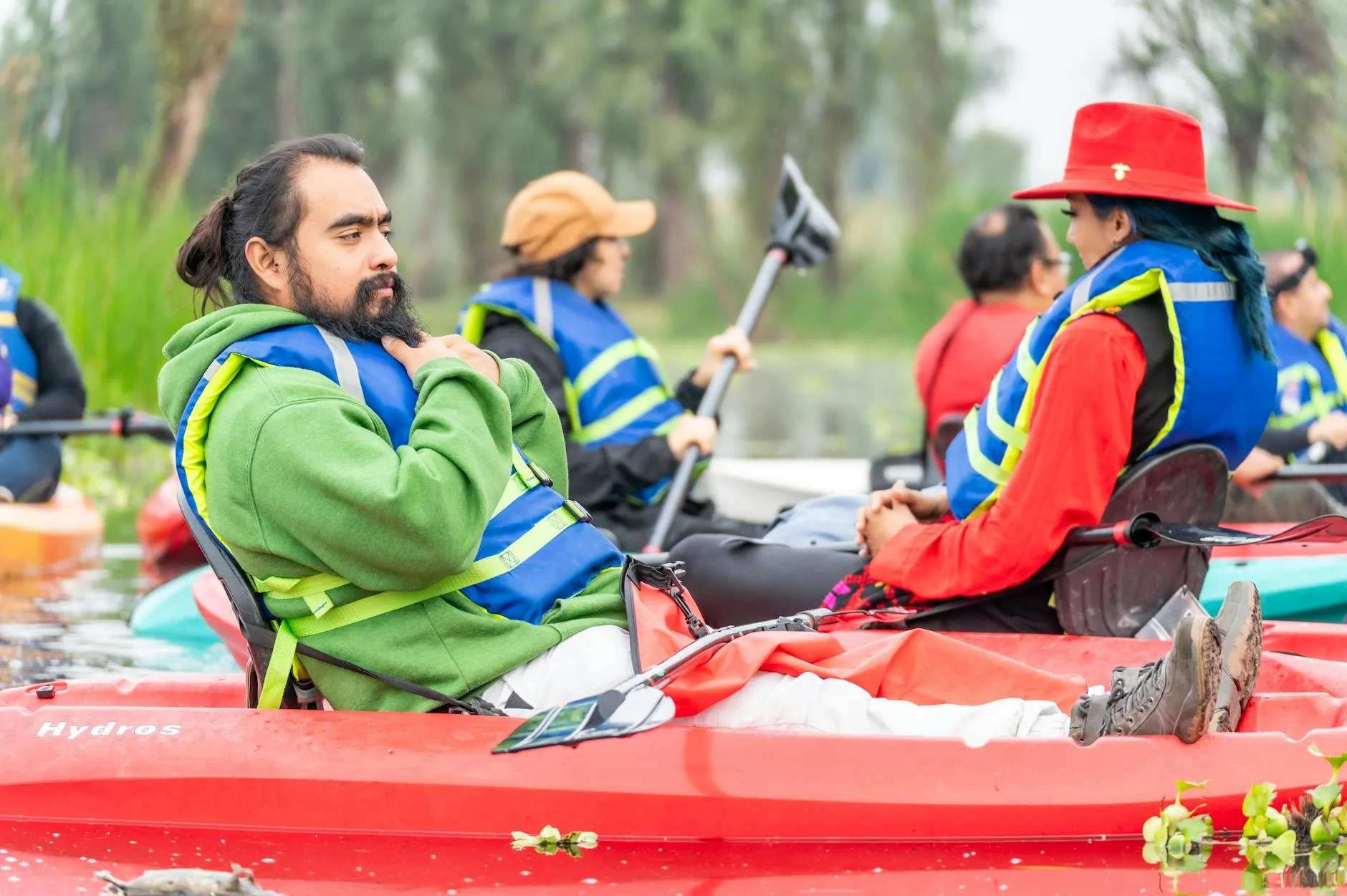
A typical UK kayak club meets once or twice a week for evening sessions (usually April-September when evenings are light) and runs weekend trips year-round. Most clubs have a fleet of boats you can borrow — everything from stable beginners’ sit-on-tops to touring kayaks to white water boats.
Your first few sessions will usually involve:
- A safety briefing and basic technique instruction
- Paddling on calm, sheltered water (canal, lake, or gentle river)
- Borrowing the club’s equipment — kayak, paddle, buoyancy aid, spray deck
- Meeting other members, many of whom started exactly where you are
Membership typically costs £30-80 per year, with session fees of £3-7 per paddle. Compare that to the £40-100 per session you’d pay at a commercial centre and the value is obvious.
How to Find a Club
- British Canoeing Club Finder — Canal & River Trust paddling locations for affiliated clubs
- Meetup.com — many informal paddling groups organise through Meetup, especially in cities
- Facebook groups — search for “kayak [your area]” or “paddling [your area]”
- Local council — some councils list water sports clubs on their leisure pages
When choosing a club, ask these questions:
- Do you have beginners’ sessions? Some clubs are primarily for experienced paddlers. You want one with a clear beginners’ pathway.
- What boats do you have for beginners? A good club should have stable sit-on-tops or wide recreational kayaks, not just narrow racing boats.
- What water do you paddle on? Flat canals and calm lakes are ideal for learning. Open sea or grade II+ rivers are not.
- Do you have qualified coaches? British Canoeing qualified coaches or equivalent means you’re learning safely.
- Can I try a few sessions before joining? Most clubs offer 2-3 taster sessions before you need to pay membership.
Paddlesport-Specific Clubs vs Multi-Activity Clubs
Some clubs focus purely on kayaking (or kayaking and canoeing), while others are multi-activity outdoor clubs that include kayaking alongside hiking, climbing, and cycling. Both work well — the specialist clubs tend to have better boat fleets and more progression opportunities, while the multi-activity clubs offer social variety and are great if you’re not sure kayaking will be your main thing.
Going It Alone: Self-Teaching
Some people prefer to learn independently — buying or borrowing a kayak and heading to a local lake or canal. This can work, but it comes with caveats.
Advantages:
- Paddle at your own pace, on your own schedule
- No membership fees or course costs
- Complete freedom to explore
Risks and downsides:
- Bad habits are easy to develop and hard to fix later
- Safety knowledge gaps — do you know how to self-rescue? Read water conditions? Assess weather?
- Gear mistakes — buying the wrong kayak or paddle wastes money
- Paddling alone on open water without training is really dangerous
If you’re going the self-teaching route, at minimum:
- Start on flat, calm, sheltered water — a canal, small lake, or park boating lake. Never start on the sea, a tidal river, or anything with current.
- Always wear a buoyancy aid — non-negotiable. About £30-50 for a decent one from Decathlon or Go Outdoors.
- Tell someone where you’re going and when you expect to be back.
- Watch technique videos from reputable sources — British Canoeing’s YouTube channel, PaddleTV, and Ken Whiting’s content are all excellent.
- Practise getting back into your kayak in shallow water before you go anywhere deep. Capsizing isn’t if — it’s when.
My honest recommendation: do at least one structured course before going solo. A single Paddle Discover session (£25-40) gives you enough safety knowledge to paddle independently on calm water without worrying about the basics. That’s cheap insurance.
What Gear Do You Need?
The short answer: almost nothing to start with. Courses and clubs provide all the specialist equipment. You just need to turn up dressed appropriately.
What to wear to your first session:
- Quick-drying layers — synthetic base layer, fleece mid-layer. Avoid cotton (it gets cold when wet and stays wet for ages).
- Waterproof jacket — a basic one from Decathlon (about £25-40) is fine. You don’t need a paddling-specific cag yet.
- Old trainers or water shoes — you’ll get wet feet. Don’t wear wellies (they fill with water and become dangerous if you capsize).
- Shorts or lightweight trousers — quick-drying material. Board shorts work well in summer.
- Hat and sunscreen in summer. Warm hat and extra layers in cooler months.
- Towel and change of clothes for afterwards.
What NOT to buy yet:
- A kayak — seriously, don’t buy one until you’ve paddled different types and know what suits you
- A paddle — paddle length and style depend on your kayak and paddling style, which you haven’t figured out yet
- A wetsuit — you might not need one at all if you’re paddling in summer on flat water
- Anything expensive from a paddlesport brand — wait until you know what you need
After a few months, if you’re committed, the first thing worth buying is your own buoyancy aid (about £40-70 for a good kayaking-specific one from Palm, Yak, or Gul). Having one that fits you properly makes a noticeable difference to comfort. Our Paddle Materials Explained: Aluminium vs Fibreglass vs Carbon guide is useful alongside this.
British Canoeing Membership: Is It Worth It?
British Canoeing offers individual membership starting at about £45 per year. Here’s what you get:
- Waterways licence — gives you access to over 4,500km of canals and rivers managed by the Environment Agency, Canal & River Trust, and others. Without this, you technically need separate licences.
- Third-party insurance — £10 million liability cover while paddling. Essential if you ever paddle near other people or property.
- Discounts — various discounts on gear, courses, and events
- Paddle Awards — ability to log and progress through the awards scheme
For most regular paddlers, the waterways licence alone justifies the membership. If you only paddle on the sea, tidal rivers, or Scottish waters (which have open access), it’s less essential — but the insurance is still valuable.
Many clubs include British Canoeing membership as part of their club fees, so check before paying twice.
Best Places for Beginners in the UK
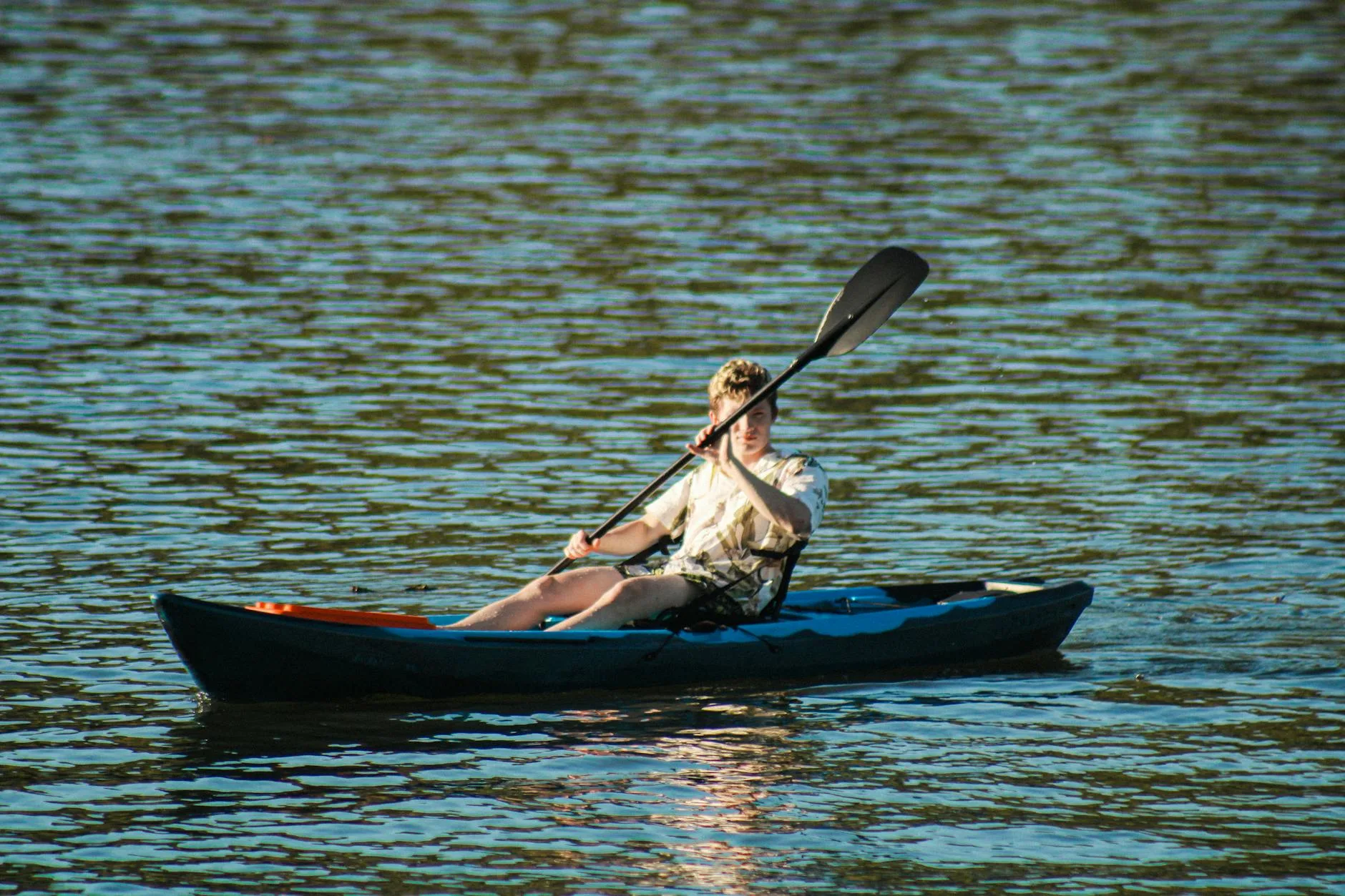
Once you’ve got the basics, where should you paddle? The UK has extraordinary variety — calm canals, gentle rivers, sheltered sea lochs, and everything in between.
Flat water for pure beginners:
- Regent’s Canal, London — urban paddling through Camden and Islington. Surprisingly peaceful.
- Chichester Canal, West Sussex — flat, sheltered, beautiful. A textbook beginner’s paddle.
- Bala Lake (Llyn Tegid), Snowdonia — Wales’s largest natural lake, usually calm in the morning.
- Loch Lomond, Scotland — stunning setting, sheltered bays. Can get choppy in the afternoon.
- River Wye, Herefordshire — gentle current, beautiful scenery. The Glasbury to Hay-on-Wye section is perfect for beginners.
Sheltered sea paddling for the next step:
- Anglesey, North Wales — sheltered bays and sea caves. The Menai Strait is a classic beginners’ sea paddle.
- Dorset coast — Studland Bay and Kimmeridge are sheltered and gorgeous.
- Norfolk Broads — interconnected lakes and rivers with virtually no current.
Wherever you go, check conditions before you set off. The Met Office marine forecast and the Environment Agency river levels page are essential resources.
Building Your Skills: What Comes After the Basics
Once you’re comfortable paddling in a straight line and can turn reliably, the world opens up. Here’s a typical progression:
- Months 1-3 — regular club sessions, building confidence on flat water, improving basic strokes
- Months 3-6 — trying different kayak types (sit-in, sit-on-top, touring), paddling in mild wind, attempting longer distances
- Months 6-12 — open water paddling, basic navigation, deciding your direction (touring, sea kayaking, white water, fishing, or recreational)
- Year 2+ — focused development in your preferred discipline, possibly buying your own kayak
Don’t rush it. The paddlers who progress fastest are the ones who paddle regularly — twice a week beats one intensive weekend a month. And the social side matters: paddling with others teaches you things no course can, simply through observation and conversation.
How Much Does It Cost to Get Into Kayaking?
One of kayaking’s biggest appeals is that it’s truly affordable to start:
- Taster session — free to £35
- Beginner course (Paddle Discover) — £25-40
- Club membership — £30-80 per year plus £3-7 per session
- British Canoeing membership — about £45 per year (often included in club fees)
- Basic clothing — you probably already own quick-drying layers and old trainers. Budget £25-40 for a waterproof jacket if you don’t have one.
Total cost to get started and paddle regularly for a year: roughly £100-200, all-in, using club boats.
Compare that to cycling (good bike: £500+), golf (membership: £500-2,000+), or tennis (coaching: £30-50 per hour). Kayaking is remarkably accessible.
The costs only escalate when you buy your own boat — a decent recreational kayak starts at about £300-400, a good touring kayak runs £600-1,200, and sit-on-tops are £250-500. But that’s a decision for later, once you know exactly what you want.
Frequently Asked Questions
Do I need to be able to swim to kayak? British Canoeing recommends being able to swim 25 metres in light clothing. Most clubs and courses require this as a minimum. You’ll always wear a buoyancy aid, but basic swimming ability is an important safety net.
What age can children start kayaking? Many clubs accept children from age 8-10 for supervised sessions. Some run junior programmes from age 6. Check with your local club — they’ll have specific age and ability requirements.
Is kayaking safe for beginners? On calm, sheltered water with proper supervision and a buoyancy aid, kayaking is very safe. The risks increase with open water, strong currents, and cold conditions — which is exactly why beginners should start on flat water with instruction.
What’s the difference between kayaking and canoeing? In a kayak, you sit lower with your legs extended and use a double-bladed paddle. In a canoe, you kneel or sit higher and use a single-bladed paddle. Most UK clubs cover both, and the national body (British Canoeing) represents all paddlesports.
Do I need my own kayak to get started? No. Clubs and courses provide all equipment. Most beginners paddle club boats for 6-12 months before deciding whether to buy their own. This lets you try different types and find what suits you.